If Peechi Dam feels a bit too crowded for your taste, Poomala is the quieter alternative most Thrissur locals already know about. This small mud-and-stone dam sits just 11 kilometres from the city, and it’s become the kind of place where couples, families, and solo travellers go specifically to escape the noise rather than add to it. If you’re looking for a genuinely peaceful evening out near Thrissur, here’s everything worth knowing.
Poomala Dam Quick Overview
| Detail | Information |
| Location | Poomala village, Mulankunnathukavu Panchayath, Puzhakkal block, Thrissur district |
| Distance from Thrissur Town | Around 11 km |
| Nearest Railway Station | Thrissur Railway Station |
| Nearest Airport | Cochin International Airport |
| Original Weir Built | 1939 |
| Reservoir Commissioned | 1968 |
| Dam Type | Mud and stone construction |
| Elevation | 94.5 metres above mean sea level |
| Managed By | Kerala Minor Irrigation Department |
| Designated Tourist Centre | 21 March 2010, by Home Minister Kodiyeri Balakrishnan |
| Beautification Project | ₹50 lakh, launched 2008 by Thrissur DTPC |
| Facilities | 600-metre walkway, community hall (300 capacity), cafeteria, boating, horse riding |
| Nearby Dam | Pathazhakundu Dam (irrigation only) |
| Best Time to Visit | Monsoon season, for higher water levels |
Where Poomala Dam Is Located
Poomala Dam sits in Poomala village, part of Mulankunnathukavu Panchayath under Puzhakkal block, roughly 11 kilometres from Thrissur town. This short distance genuinely makes it one of the most accessible dam visits in the entire district, reachable by bus, taxi, or auto-rickshaw without needing extensive travel planning.
Thrissur Railway Station serves as the closest rail connection, while Cochin International Airport remains the nearest airport for visitors coming from outside Kerala. Given how close this dam sits to the city, it’s genuinely become a popular after-work or weekend evening destination for Thrissur residents rather than requiring a dedicated day trip.
The Water Source Behind This Reservoir
It’s worth being transparent here rather than inventing a definitive answer — available records don’t specify a single named river feeding Poomala Dam, unlike larger dams such as Peechi or Chimmini in the same district. Instead, the reservoir was formed within the Poomala Valley itself, drawing from local streams and catchment runoff in this forested pocket of the Western Ghats’ foothills.
This smaller, more localised water source is part of why Poomala remains considerably quieter and less commercially developed than its larger neighbours, functioning more as a community irrigation project that gradually gained tourism appeal rather than a major river-regulation structure from the outset.
A History Rooted in Simple Agricultural Needs
The story of Poomala Dam actually begins earlier than most visitors realise. Back in 1939, a division weir was constructed in the Poomala Valley specifically to support local agriculture, well before India’s independence. It took nearly three decades for this to evolve into a proper reservoir, with the Poomala reservoir finally commissioned in 1968 under the Kerala Minor Irrigation Department.
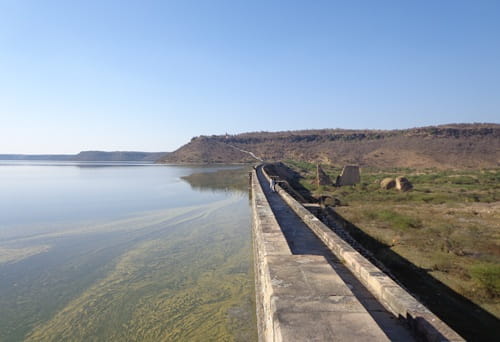
Unlike the large concrete gravity dams that dominate Kerala’s bigger irrigation projects, Poomala was built using mud and stone, a construction choice that reflects both its smaller scale and the practical, low-cost approach typical of minor irrigation schemes from this era.
From Quiet Irrigation Project to Recognised Tourist Spot
For decades, Poomala remained a purely functional structure known mainly to villagers and local farmers. That began changing when the Thrissur District Tourism Promotion Council launched a ₹50 lakh beautification project in 2008, specifically aimed at developing the area’s tourism potential. This investment paid off two years later, when the dam was officially designated a tourist centre on 21 March 2010 by Kodiyeri Balakrishnan, then Home Minister of Kerala.
Since then, Poomala has followed a genuinely interesting evolution, gradually attracting travel bloggers, photographers, and social media attention for its misty hillscapes and calm sunrise reflections, transforming what was once a strictly local secret into a name that now shows up regularly on Kerala travel lists.
What Makes Poomala Genuinely Different From Peechi
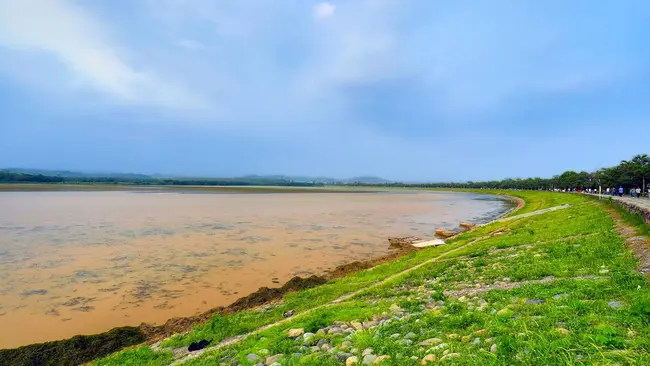
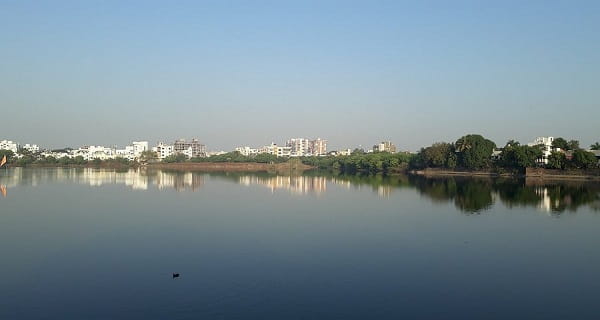
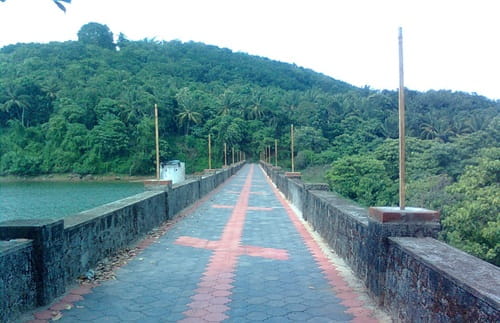
If you’ve already visited Peechi Dam and found it a bit too developed or crowded for your taste, Poomala offers a deliberately quieter alternative. It’s noticeably smaller in scale, considerably less commercialised, and better suited to visitors who prefer solitude over a bustling picnic-park atmosphere. The reservoir sits surrounded by genuinely lush forest, and the drive up to the dam winds through scenic roads that add to the overall sense of escape.
Evenings here have developed a particular local following, especially during monsoon season when water levels rise and the entire valley turns a deeper, richer green.
What There Is to See and Do
The 600-metre walkway hugging the reservoir is the centrepiece of a typical visit, offering a peaceful stroll with water on one side and forest on the other. Boating is available on the reservoir, though it’s worth noting that at least one source specifically mentions no regular boat vendors operate here, meaning you may need to pre-arrange this yourself rather than expecting an on-demand rental service, similar to what you’d find at larger, more commercialised dams.
Horse riding adds a bit of extra activity for families and children, while a small park area near the dam gives younger visitors something to do beyond just admiring the view. A community hall capable of seating around 300 people makes Poomala a genuine option for small local gatherings or events, and a cafeteria alongside basic latrine facilities rounds out the site’s amenities.
Nearby attractions worth combining with your visit include Pathazhakundu Dam, positioned just to the north and currently used purely for irrigation, along with Vilangan Hills and Kerala Kalamandalam, the renowned centre for traditional Kerala arts, both within reasonable driving distance.
Practical Realities Worth Knowing
Given Poomala’s smaller scale and quieter tourism development compared to Peechi or Vazhani, it’s sensible to expect fairly modest facilities. Fishing is possible here too, alongside boating, though again, it seems best to arrange your own equipment or boat access in advance rather than relying on found vendors at the site.
Timings and Best Time to Visit
Specific, formally published visiting hours for Poomala Dam aren’t widely documented, which is fairly typical for a smaller regional tourist spot managed primarily by the Minor Irrigation Department rather than a large tourism board. Daylight hours remain the sensible window for a visit, both for safety and to make the most of the scenery.
Monsoon season stands out as genuinely the best time to visit, when water levels rise considerably and the surrounding valley becomes noticeably greener and more dramatic. Many locals specifically choose to visit during the rains, when the reservoir looks its fullest and most visually striking.
Frequently Asked Questions
Q1. How is Poomala Dam different from the larger Peechi Dam nearby?
Poomala is considerably smaller, quieter, and less commercially developed, making it a better fit for visitors seeking solitude rather than a busy picnic-park atmosphere. It’s also built with mud and stone rather than Peechi’s more substantial concrete structure.
Q2. Can I rent a boat on arrival at Poomala Dam?
Not always reliably. At least one source specifically notes there are no regular boat vendors operating at the site, so it’s worth pre-arranging boating or fishing equipment yourself rather than assuming rentals will be readily available on-site.
Q3. What’s the best time of day and season to visit Poomala Dam?
Evenings are particularly popular with locals, and monsoon season is widely considered the best time overall, since water levels rise significantly and the surrounding valley turns a richer, more vivid green during this period.
Q4. Is Poomala Dam suitable for a family outing with children?
Yes, the walkway, small park area, and horse riding option make it manageable for families, though it’s worth carrying your own snacks and water given the site’s more limited commercial facilities compared to larger, more developed dam destinations in the district.