If you’ve ever turned on a tap in Gwalior and had clean water flow out, there’s a good chance it traced back to a reservoir with a genuinely tragic history. Tighra Dam has quietly supplied the city’s drinking water for over a century, but its story includes a devastating structural failure that killed roughly a thousand people in 1917 — a detail most weekend picnic-goers heading there today probably never learn. Here’s the complete picture before you plan your visit.
Tighra Dam Quick Overview
| Detail | Information |
| Also Known As | Tigra Dam, Tig Dam |
| River | Sank River, a tributary of the Chambal River |
| Location | Tighra village, Gwalior district, Madhya Pradesh |
| Distance from Gwalior | Around 20–25 km |
| Original Construction | 1915 (failed 1917) |
| Rebuilt | 1916, completed 1924 |
| Dam Type | Masonry/earthen structure |
| Dam Height | 24–26 metres |
| Dam Length | 570–1,341 metres (sources vary) |
| Reservoir Capacity | 4.8–29.8 million cubic metres (sources vary) |
| Primary Purpose | Drinking water supply for Gwalior city |
| Nearby Villages Served | 11 villages, for irrigation and domestic use |
| Boating Season | October to March |
| Entry Fee | Around ₹10 |
| Visiting Hours | Generally sunrise to sunset |
Where Tighra Dam Is Located
Tighra Dam sits in Tighra village, roughly 20 to 25 kilometres from Gwalior city, depending on the exact route. The drive itself passes through several small villages, with the reservoir falling near Ghati Gaon along the way. Road conditions have been a genuine point of concern for visitors, with several accounts describing narrow, bumpy, and poorly maintained stretches once you leave the city limits.
Public transport options are limited, so most visitors rely on taxis or private vehicles from Gwalior, with return trips typically costing anywhere from ₹800 to ₹1,500 depending on the vehicle type and season. Gwalior Junction railway station serves as the main transport hub for visitors arriving from other cities.
The River Behind Gwalior’s Water Supply
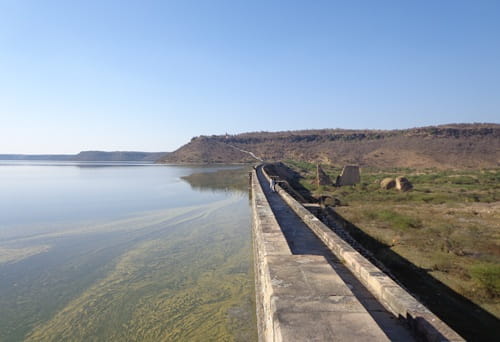
The dam is built across the Sank River, a tributary of the Chambal River, one of central India’s more significant waterways. This positioning made the site a genuinely practical choice for securing water supply to Gwalior, especially given the region’s historically limited access to consistent freshwater sources.
Beyond drinking water for Gwalior city itself, the dam and its surrounding villages depend on this water source for irrigation and daily domestic needs, with eleven villages in the immediate vicinity relying on Tighra for their basic water requirements.
A History Marked by Tragedy and Rebuilding
This is genuinely important to understand honestly rather than glossing over. The first dam constructed at this site in 1915 failed catastrophically on the afternoon of 19 August 1917, due to infiltration into its sandstone foundations. Approximately 1,000 people were killed downstream in the disaster, making this one of the more devastating dam failures in Indian history, though it rarely gets mentioned in typical tourist descriptions of the site.
Following this tragedy, the dam was rebuilt starting in 1916, with construction completed by 1924 according to some sources, though the dam’s core rebuild is often dated to 1916 itself. The disaster also led to the relocation of communities that had been living in the immediate vicinity of the dam, a genuine and lasting consequence of the original structural failure.
Remarkably, a subsequent structure at this site also failed in 1970, though this second failure doesn’t appear to have caused casualties on the same scale as the 1917 disaster. Given this history, Tighra Dam stands as a genuine reminder of how seriously dam engineering and foundation assessment need to be taken, particularly on sandstone terrain prone to water infiltration.
What Tighra Dam Does Today
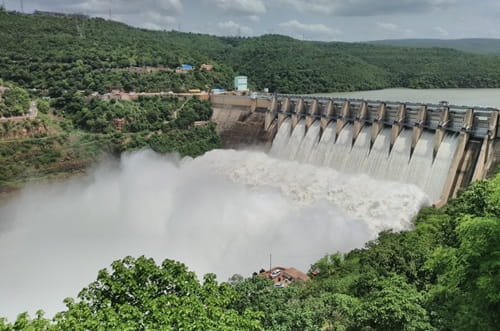
Today, the dam functions as the primary source of drinking water for Gwalior city, alongside supporting irrigation and domestic needs for the surrounding eleven villages. Its spillway structure can pass up to 1,274 cubic metres of water per second, a capacity specifically engineered to handle high-flow events safely given the site’s difficult history with structural failure.
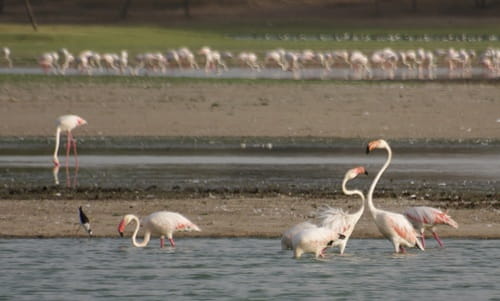
The area surrounding the dam became a suitable habitat for various bird species following construction, eventually leading to its designation as a Bird Sanctuary. The reservoir is also home to crocodiles and a genuine variety of fish, adding an unexpected wildlife dimension to what’s primarily known as a water-supply and recreational destination.
From Water Infrastructure to Popular Picnic Spot
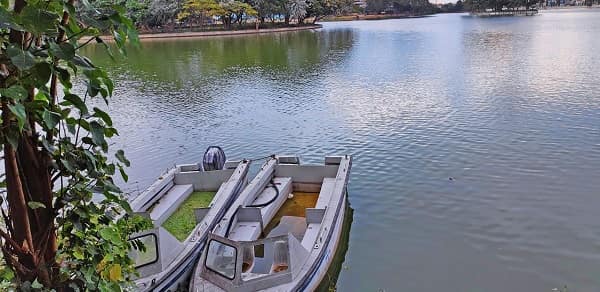
As tourism interest grew, the local tourist department established a boating club at Tighra Dam, and today it’s become one of Gwalior’s most popular weekend getaways. Visitors can enjoy speed boating, jalpari boat rides, paddle boating, and water scooter rides, typically priced at around ₹50 for speed and jalpari boats, ₹100 per paddle boat, and ₹350 per person for water scooters.
A restaurant called “Winds and Waves” operates near the lake, and a park with a children’s playground adds family-friendly appeal alongside the water activities. Walking trails around the dam offer scenic views of the surrounding landscape, and the reservoir’s water takes on a genuinely striking blue hue when viewed from a distance, with hills forming a picturesque backdrop.
An Honest Note on Current Conditions
It’s worth setting realistic expectations here based on recent visitor feedback. Several accounts describe the approach road as being in poor condition for extended periods, with construction seemingly ongoing without clear completion. Some visitors have also noted that while the dam looks beautiful from the lake side, the outlet side can appear considerably less well-maintained, and certain grounds around the site have been described as closed off or in need of cleaning.
That said, sunset views over the water are consistently praised, and the dam gates opening during monsoon has been described by some visitors as a genuinely thrilling sight worth witnessing if your timing aligns.
Timings and Entry Details
Tighra Dam generally operates from sunrise to sunset, with entry priced modestly at around ₹10 per person. Boating typically runs during two windows, January through March and October through December, so it’s worth timing your visit accordingly if this is your main reason for going. Given safety considerations, boating during monsoon months is often restricted, so travelers specifically hoping to combine a monsoon visit with boating should check current conditions beforehand.
Best Time to Plan Your Visit
October through March offers the most comfortable weather for visiting, avoiding Gwalior’s intense summer heat, which can reach up to 45°C. Rainy season and winter, roughly August through March according to some local guides, are generally recommended over summer, since the heat makes extended outdoor time genuinely uncomfortable. If witnessing the dam’s gates open is a priority, monsoon timing offers the best chance, though this comes with the trade-off of reduced or unavailable boating during that same period.
Frequently Asked Questions
Q1. Is Tighra Dam worth visiting given the mixed reviews about road conditions and maintenance?
It depends on your priorities. If sunset views, boating, and a peaceful nature escape genuinely interest you, it’s worth the trip despite bumpy roads. If you’re pressed for time or specifically want a highly polished tourist experience, some visitors suggest it may not justify the roughly 1 to 1.5 hour journey each way.
Q2. What happened during the 1917 dam failure at Tighra?
The original dam, built in 1915, failed on 19 August 1917 due to infiltration into its sandstone foundations, killing approximately 1,000 people downstream. This tragedy led to the dam’s reconstruction and the relocation of nearby communities.
Q3. Is boating available year-round at Tighra Dam?
No, boating typically operates only during two seasonal windows, January through March and October through December, with safety-related restrictions common during monsoon when water levels and currents can become unpredictable.
Q4. What should I carry for a comfortable visit to Tighra Dam?
Sturdy shoes or rubber footwear if you plan to get near the water, along with a hat, sunscreen, water bottles, and snacks, since food and restroom facilities directly at the dam remain fairly limited.