Long before modern cement technology existed, a British-era engineer figured out how to build a dam using nothing but quicklime and jaggery, and it’s still standing strong today. That’s genuinely the story behind Pothundi Dam, one of the oldest irrigation structures in India, tucked along the scenic route to Nelliyampathy hills in Palakkad. If you’re planning a Palakkad trip or heading up to Nelliyampathy, here’s everything worth knowing about this quiet engineering curiosity.
Pothundi Dam, Palakkad Quick Overview
| Detail | Information |
| Rivers | Meenichiladipuzha and Padipuzha, tributaries of the Ayilur (Aylampuzha) River |
| Location | Pothundy village, Chittur taluk, Palakkad district, Kerala |
| Distance from Nemmara | Around 8 km |
| Distance from Palakkad Town | About 35–48 km |
| Distance from Nelliyampathy Hills | Roughly 17 km |
| Nearest Railway Station | Palakkad Junction, around 40 km away |
| Nearest Airport | Cochin International Airport, about 98–100 km away |
| Originally Built | 19th century, British colonial period |
| Developed as Modern Irrigation Project | Completed 1971 |
| Dam Type | Earth-filled dam with masonry spillway |
| Unique Feature | Core wall built with jaggery and quicklime |
| Dam Height | Around 32.61 metres |
| Dam Length | About 1,680 metres |
| Gross Storage Capacity | 50.9 million cubic metres |
| Irrigation Coverage | Around 5,470 hectares (13,500 acres) |
| Visiting Hours | Generally 10:00 AM to 5:00 PM |
| Entry Fee | ₹20 for adults, ₹10 for children |
| Best Time to Visit | October to February |
Where Pothundi Dam Is Located
Pothundi Dam sits in Pothundy village, within Chittur taluk of Palakkad district, roughly 8 kilometres from Nemmara and somewhere between 35 to 48 kilometres from Palakkad town depending on your exact route. Its real charm, though, lies in its position along the road leading up to Nelliyampathy hills, just 17 kilometres away, making it a natural stopping point rather than a standalone destination most visitors plan around exclusively.
Palakkad Junction serves as the nearest railway station at about 40 kilometres away, while Cochin International Airport, roughly 98 to 100 kilometres away, remains the closest airport for those flying in from outside Kerala. Most visitors treat this dam as a scenic pit stop on their way to or from Nelliyampathy rather than a dedicated day trip in itself.
The Rivers Behind This Historic Dam
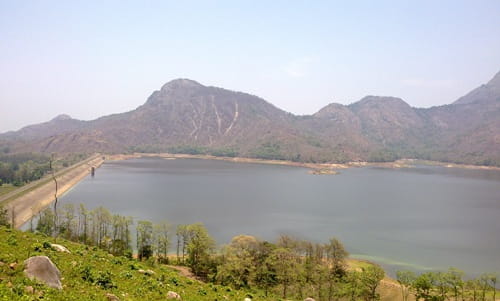
Pothundi Dam is built across the Meenichiladipuzha and Padipuzha rivers, both tributaries of the Ayilur River, also known locally as the Aylampuzha. The dam sits roughly 400 metres upstream of where these two rivers actually meet, set against the scenic backdrop of the Nelliyampathy hills. Some sources also describe the dam as connected to the broader Bharathapuzha river system through these tributary connections, reflecting how interconnected Kerala’s river networks tend to be.
The catchment area feeding this reservoir spans about 31 square kilometres of thickly forested terrain, dominated by teak trees, giving the surrounding landscape a genuinely lush, green character that complements the dam’s historic charm.
A History Rooted in 19th-Century Engineering
This is genuinely one of the oldest dams in India, originally constructed during the 19th century under British colonial administration, specifically to support irrigation for agricultural lands in the surrounding Palakkad region. What makes Pothundi such a fascinating engineering case study even today is its core wall construction, built using a mixture of jaggery and quicklime rather than modern cement, a technique that speaks to the resourcefulness of pre-industrial dam engineering in India.
The dam underwent significant modernisation in the 20th century, developed as a proper medium irrigation project that was completed in 1971 at a cost of ₹23.425 million. This upgrade added a masonry spillway section to manage flood discharge, along with two main canal systems, a 10-kilometre right bank canal and an 8-kilometre left bank canal, extending irrigation benefits considerably beyond what the original 19th-century structure could support.
What Pothundi Dam Does for the Region Today
The numbers here reflect genuine, ongoing importance for local agriculture. The dam’s canal network irrigates around 5,470 hectares across Chittur and Alathur taluks, benefiting seven panchayats including Nemmara, Ayilur, Elevencherry, Melarkode, Vadakencherry, Vandazhy, and Erimayur. Paddy cultivation dominates roughly 90 percent of this irrigated area, and the economic value generated from paddy and other crops here runs into the multi-million rupee range annually.
Beyond irrigation, Pothundi has supplied drinking water to Nemmara, Ayilur, and Melarkode panchayats through the Kerala Water Authority since 1984, with current daily consumption reportedly reaching around 125 lakh litres serving over 1.3 lakh consumers. The reservoir also supports a genuinely well-developed inland fisheries project, generating revenue of roughly ₹10 to 15 lakh annually from fish sales, with species like murrel, catfish, tilapia, rohu, and common carp actively cultivated here under what was originally the Indo-German Reservoir Fisheries Development Project.
A Local Festival Worth Knowing About
One genuinely interesting cultural detail tied to this dam is the Nemmara Vallengi Vela Festival, a popular local celebration held right on the shores of the reservoir. If your visit happens to align with this festival, it offers a genuinely vibrant, community-focused experience layered on top of the dam’s quieter, scenic appeal on regular days.
What There Is to See and Do
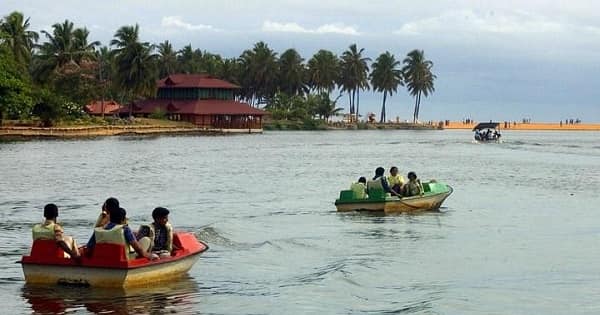
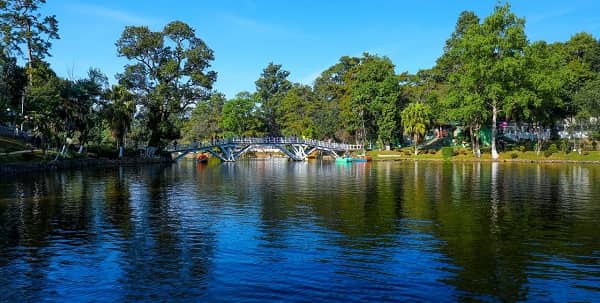
Beyond simply admiring the reservoir against its hillside backdrop, a small, well-maintained garden sits adjacent to the dam, offering landscaped grounds, a variety of rides, and neatly trimmed greenery that’s genuinely well suited for families with children. Boating is available on the reservoir, giving visitors a closer, more immersive look at the water and surrounding forest.
Many travellers use Pothundi purely as a scenic rest stop, grabbing tea or ice cream at small stalls near the entrance before continuing their journey up toward Nelliyampathy. The dam’s setting genuinely rewards those who pause here rather than rush past, with the combination of still water, forested hills, and historic engineering making for a memorable, low-effort detour.
Timings and Entry Details
Most sources place visiting hours at 10:00 AM to 5:00 PM daily, though at least one source lists a considerably shorter window of 8:00 AM to 10:00 AM, so it’s worth confirming current timings locally rather than assuming a single fixed schedule. Entry costs ₹20 for adults and ₹10 for children, a modest fee that makes this an easy addition to any Nelliyampathy-bound itinerary.
Best Time to Plan Your Visit
October through February offers the most comfortable weather for visiting, with cooler temperatures making both the stop itself and any onward travel to Nelliyampathy genuinely pleasant. That said, several sources note the dam is worth visiting throughout the year, particularly since most travellers encounter it naturally while heading toward the hills rather than planning a trip specifically around Pothundi’s seasonal appeal.
Frequently Asked Questions
Q1. What makes Pothundi Dam’s construction genuinely unusual?
Its core wall was built using a mixture of jaggery and quicklime rather than cement or concrete, a 19th-century engineering technique that’s remained structurally sound for well over a century, making it a genuine curiosity among India’s older dams.
Q2. Is Pothundi Dam worth visiting as a standalone destination, or only as a stopover?
Most visitors treat it as a scenic stopover on the way to or from Nelliyampathy hills, given its convenient location along that route. That said, the garden, boating, and views are genuinely pleasant enough to justify spending a proper hour or two here rather than just a quick photo stop.
Q3. Can I go fishing at Pothundi Dam’s reservoir?
The reservoir supports a well-developed fisheries programme with several commercial fish species, though this is primarily managed as a fisheries development project rather than a casual recreational fishing spot for tourists, so it’s worth checking current visitor access rules if this specifically interests you.
Q4. What’s the best way to combine a Pothundi Dam visit with other nearby attractions?
Nelliyampathy Hills, Seethargundu Viewpoint, and Mangalam Dam are all within reasonable driving distance, making it easy to build a fuller day trip around a Pothundi stop, especially if you’re already heading toward the Nelliyampathy hill station.