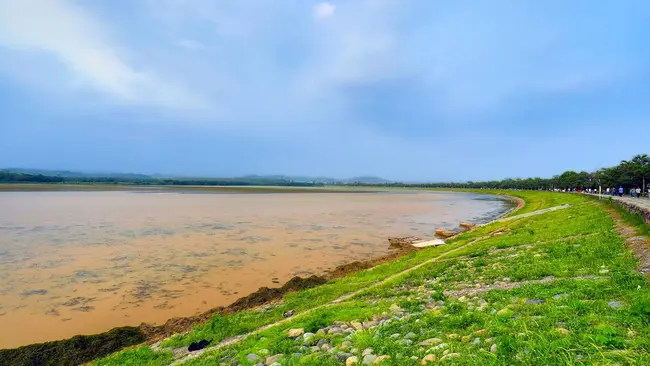
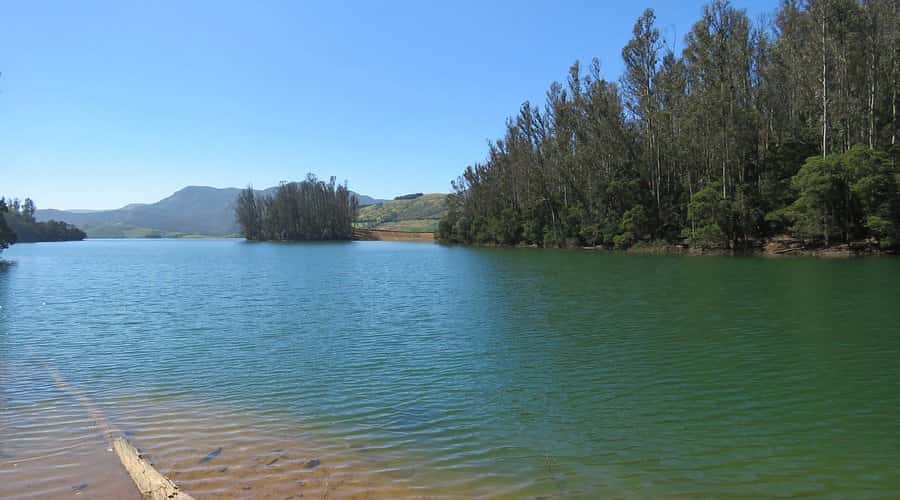
Ask any Punekar where they’d go for a monsoon weekend without a second thought, and Mulshi Dam almost always makes the shortlist. This is the spot where Pune’s Instagram-worthy monsoon photos actually come from — misty hills, waterfalls cascading down every slope, and a lake that turns a moody blue-green the moment the rains arrive. But beyond the scenery, Mulshi carries a genuinely important history, one tied to farmer protests, Tata Power’s early ambitions, and Mumbai’s electricity supply even today. Here’s the complete picture before you plan your trip.
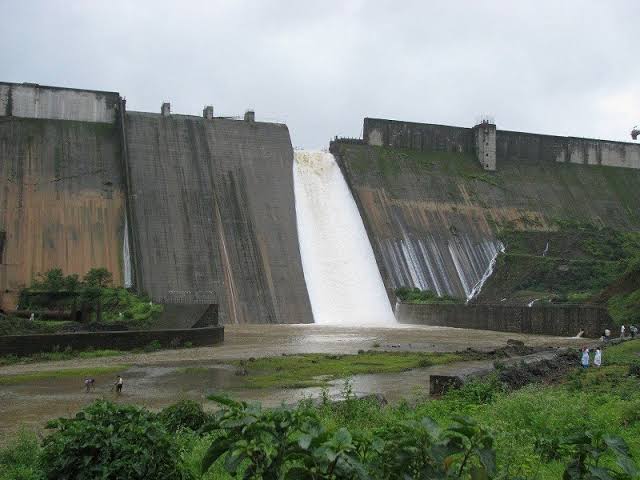
Mulshi Dam Quick Overview
| Detail | Information |
| River | Mula River |
| Location | Mulshi Taluka, Pune district, Maharashtra |
| Distance from Pune | Around 35–53 km depending on route |
| Distance from Lonavala | About 46 km |
| Nearest Airport | Pune International Airport, roughly 55–60 km away |
| Nearest Railway Station | Pune Junction, or Malavli via the Shivaji Nagar line |
| Constructed | Completed in 1927 |
| Built By | Tata Power |
| Dam Type | Gravity dam |
| Dam Height | Around 50.6 metres |
| Dam Length | About 1,011 metres |
| Reservoir Name | Mulshi Lake |
| Primary Purpose | Hydroelectric power generation and irrigation |
| Connected Power Plant | Bhira Hydroelectric Plant |
| Visiting Hours | Generally 9:00 AM to 6:00 PM |
| Entry Fee | Free (small parking or area-specific fees may apply) |
| Best Time to Visit | Monsoon, June to October |
Where Mulshi Dam Is Located
Mulshi Dam sits in Mulshi Taluka, roughly 35 to 53 kilometres from Pune depending on which route and starting point you use. It’s flanked by the western edge of the Sahyadri range, which is exactly why the drive out here feels like such a dramatic shift from Pune’s urban sprawl within less than an hour.
Most visitors take the Pune to Chandni Chowk to Mulshi route, which is generally considered the most scenic and straightforward option. If you’re coming from Lonavala, it’s a comfortable 46-kilometre drive, making it easy to combine both destinations into a single extended weekend trip.
The River Behind This Reservoir
Mulshi Dam is built across the Mula River, and the reservoir it creates, known as Mulshi Lake, sits nestled amid the untouched western Sahyadri hills. What makes this particular stretch of the Mula so significant isn’t just its natural beauty — it’s the role this water plays in powering one of Maharashtra’s oldest and most important hydroelectric operations.
Water collected here eventually reaches the Bhira Hydroelectric Plant, operated by Tata Power, which has historically supplied a substantial share of Mumbai’s electricity. That connection between a quiet dam in rural Pune district and the lights staying on in India’s financial capital is genuinely one of the more underappreciated facts about Mulshi.
A History Rooted in Protest as Much as Power
Construction on Mulshi Dam began in the early 1920s and was completed in 1927, making it one of the earliest large-scale hydroelectric projects undertaken by the Tata Group in India. At the time, it represented a major step in industrial infrastructure, aimed at powering the growing needs of both Mumbai and Pune.
But the dam’s history isn’t purely one of engineering triumph. Its construction displaced local farmers who lost land to the rising reservoir waters, and this directly led to the Mulshi Satyagraha, a significant protest movement led by Senapati Pandurang Bapat in support of the affected farming communities. This chapter of resistance remains an important, if often overlooked, part of Mulshi’s story, reflecting the real human cost that came with the region’s early industrial development.
Since then, the dam has continued operating largely as originally intended, remaining one of the older functioning hydroelectric projects in Maharashtra even as Pune and Mumbai’s power needs have grown dramatically around it.
Why Mulshi Feels Different From Other Pune Dams
Unlike some of Pune’s more developed dam destinations, Mulshi has retained a genuinely rustic, low-key character despite growing tourist interest. There’s no major amusement park or heavily commercialised infrastructure here — just sweeping views of the Sahyadri hills, dense forest cover, and a reservoir that looks entirely different depending on the season.
During monsoon, this transformation is dramatic. Dry, brown hillsides burst into vivid green almost overnight, countless temporary waterfalls appear on the slopes feeding directly into the lake, and mist frequently rolls down to meet the water’s surface, creating a genuinely dreamlike landscape that draws thousands of visitors from both Pune and Mumbai every year.
What There Is to Do at Mulshi Dam
Camping remains one of the most popular activities here, with several lakeside cottages and campsites offering the option to rent a spot for the night, build a campfire, and simply soak in the surroundings. For those preferring a day trip, trekking trails in the nearby hills, particularly toward forts like Dhangad and Koraigad, offer rewarding views back over the lake and valley.
Birdwatching is genuinely worthwhile too, especially during migratory season, when the area’s rich biodiversity brings in a wide variety of species alongside the region’s resident wildlife. Boating is available when water levels allow, and more relaxed activities like fishing, crab catching, and even a traditional bullock cart ride round out the experience for visitors wanting something beyond just sightseeing.
Nearby, Tamhini Ghat is a frequently paired stop, known for its winding mountain roads and seasonal waterfalls, while Raigad Fort and its ropeway offer a solid half-day extension if you’re building a fuller itinerary around the region.
Timings and Entry Details
Mulshi Dam’s public viewing areas and approach roads are generally accessible from 9:00 AM to 6:00 PM daily. Entry itself is typically free, though certain specific areas or parking arrangements may carry small nominal charges depending on where exactly you’re visiting.
Given the area’s remote setting, limited street lighting, and the presence of local wildlife, it’s genuinely advisable to plan your visit to wrap up before dark rather than lingering into the evening, even though the dam’s power operations run continuously behind the scenes.
Best Time to Plan Your Visit
Monsoon, spanning June through October, is unquestionably the standout season here, when the lake, hills, and waterfalls all peak simultaneously in visual drama. Early morning, roughly 7 to 10 AM, offers the best combination of cool air, mist, and good lighting for photography, while late afternoon between 4 and 6 PM rewards visitors with a striking sunset over the water. If you’re planning trekking specifically, October through March offers more stable weather conditions better suited to hill trails.
Weekday visits are worth prioritising over weekends if you’d rather avoid the heavier traffic and crowds that tend to build up along the Pune-Mulshi route during peak monsoon weekends.
Frequently Asked Questions
Q1. Is Mulshi Dam suitable for an overnight stay rather than just a day trip?
Yes, camping is one of the most popular ways to experience Mulshi, with several lakeside cottages and campsites offering overnight stays, campfires, and a much quieter experience than a rushed day visit would allow.
Q2. What is the Mulshi Satyagraha, and why does it matter to this dam’s history?
It was a protest movement led by Senapati Pandurang Bapat in the 1920s, supporting farmers who lost their land during the dam’s construction. It remains an important part of Mulshi’s history, reflecting the real cost behind the region’s early hydroelectric development.
Q3. Is boating always available at Mulshi Lake?
Not always. Boating depends on current water levels and safety conditions, so it’s worth checking locally or with your accommodation before planning your visit specifically around this activity.
Q4. What should I keep in mind regarding medical facilities near Mulshi Dam?
There are no immediate medical facilities right at the dam site itself, so it’s sensible to carry basic essentials and be aware that reaching proper medical care would require heading back toward the main town or Pune city in case of an emergency.