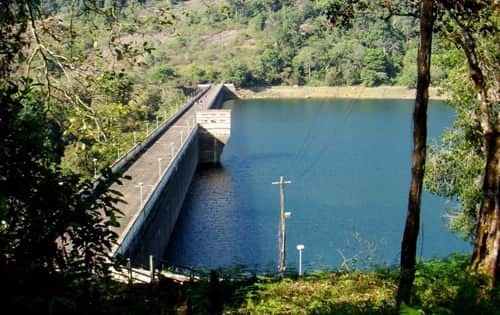
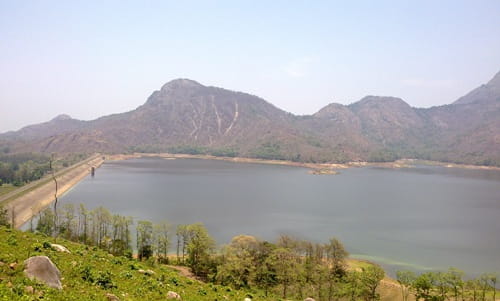
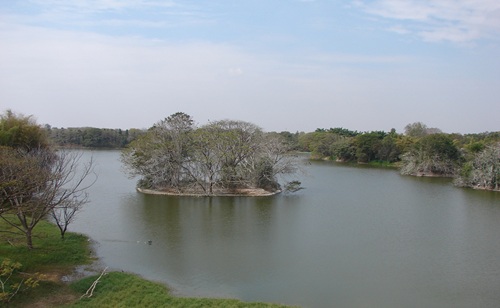
If you’ve ever eaten rice grown in Telangana’s black cotton soil belt, or wondered how Hyderabad managed drinking water security decades before modern reservoirs existed, Nizam Sagar Dam is where that story starts. Built by a royal ruler over a century ago, this is the oldest dam in Telangana, and it’s still doing genuinely important work today, even as newer, larger dams have taken over much of the spotlight. If you’re travelling through Kamareddy district, here’s everything worth knowing.
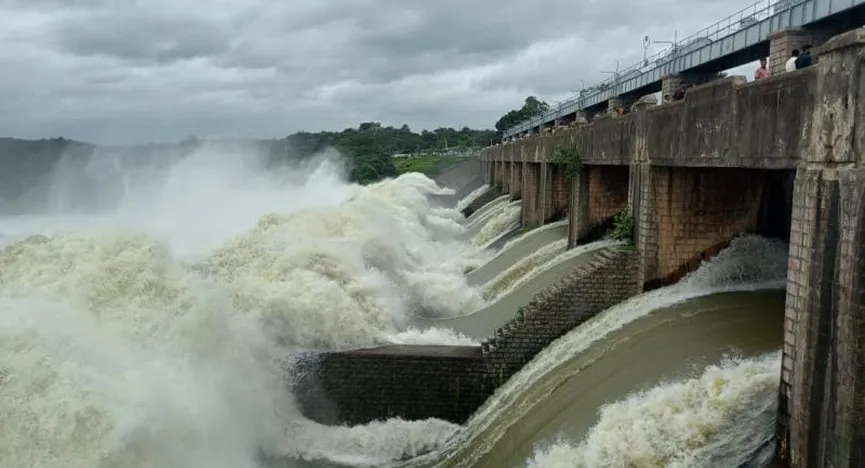
Nizam Sagar Dam Quick Overview
| Detail | Information |
| River | Manjira River, a tributary of the Godavari |
| Location | Between Achampet and Banjepally villages, Kamareddy district, Telangana |
| Distance from Hyderabad | Around 144–150 km |
| Distance from Nizamabad | About 81–85 km |
| Distance from Kamareddy | Roughly 57 km |
| Nearest Airport | Rajiv Gandhi International Airport, Hyderabad, about 168 km away |
| Nearest Railway Station | Kamareddy, around 57 km away |
| Built By | Mir Osman Ali Khan, 7th Nizam of Hyderabad |
| Construction Period | 1923 to 1931 |
| Status | Oldest dam in Telangana |
| Dam Type | Masonry gravity dam |
| Dam Height | Around 110–115.5 feet above riverbed |
| Original Storage Capacity | 29.72 TMC (reduced to around 11.79–17.8 TMC due to silting) |
| Villages Relocated | Over 40 |
| Irrigation Command Area | Around 231,339 acres, originally targeted at 275,000 acres |
| Visiting Hours | 6:00 AM to 10:00 PM |
| Best Time to Visit | October to February |
Where Nizam Sagar Dam Is Located
Nizam Sagar Dam sits between Achampet and Banjepally villages in Kamareddy district, roughly 144 to 150 kilometres northwest of Hyderabad. It’s also about 81 to 85 kilometres from Nizamabad and just 57 kilometres from Kamareddy town itself, making it accessible from multiple directions depending on where your journey starts.
Kamareddy currently doesn’t have a functional airport, so Rajiv Gandhi International Airport in Hyderabad, around 168 kilometres away, remains the nearest air link. Kamareddy railway station offers a more convenient rail connection, with trains from Secunderabad and Kacheguda taking a little over two hours to reach, followed by a short taxi or bus ride to the dam itself.
The River Behind This Century-Old Dam
The dam is built across the Manjira River, a significant right-bank tributary of the Godavari that flows through the Deccan Plateau’s characteristic basalt terrain. This geological foundation, formed from ancient volcanic rock, provides a genuinely stable base for the dam’s masonry structure, though it also creates localised seepage challenges through natural rock fractures, a detail engineers have had to account for throughout the dam’s long operational history.
Before Nizam Sagar existed, the Manjira’s water went largely unharnessed, with only a small anicut at Ghanpur diverting limited water for around 5,000 acres of irrigation. This dam changed that picture dramatically, transforming the Manjira into a genuinely productive water source for a much larger stretch of Telangana.
A History Rooted in Royal Ambition
Nizam Sagar Dam was constructed between 1923 and 1931 under the patronage of Mir Osman Ali Khan, the 7th Nizam of Hyderabad, with the project initiated to address recurring drought conditions across the erstwhile Hyderabad state. At the time of its completion, it stood as the largest irrigation project undertaken within Hyderabad state, envisioned to utilise 58 TMC of water and irrigate roughly 275,000 acres across Banswada, Bodhan, Nizamabad, and Armoor taluks.
Building a project of this scale required relocating residents from over 40 villages, a genuinely significant human cost that accompanied the dam’s construction. The site carries considerable historical weight too — both Mahatma Gandhi and Jawaharlal Nehru reportedly visited Nizam Sagar in the 1940s, reflecting how significant this project was considered even at a national level during that period.
What Happened After India’s Independence
Following the reorganisation of Indian states in 1956, the Manjira river basin found itself divided across three states — Telangana, Maharashtra, and Karnataka. This division led to multiple new irrigation schemes emerging upstream, including the Singur Project and Manjira Barrage in Telangana, along with projects in Karnataka and Maharashtra, all drawing from the same river system that once fed exclusively into Nizam Sagar.
This upstream development has genuinely affected Nizam Sagar’s water availability over the decades, with reduced inflows becoming a recurring concern for irrigation planning in its command area. Adding to this challenge, a hydrological survey in 1972 revealed the dam’s storage capacity had dropped considerably from its original 29.72 TMC to around 11.79 TMC, largely due to decades of silt accumulation, a maintenance issue that continues to affect the reservoir’s overall efficiency even today.
What Nizam Sagar Does for Telangana Today
Despite these challenges, Nizam Sagar’s canal network remains genuinely significant, comprising a 155-kilometre main canal supported by 82 distributaries and 283 sub-distributaries. This system delivers water across Nizamsagar, Kotgir, Yedpally, Makloor, Jakranpally, Banswada, Varni, Nizamabad, Bodhan, and several other mandals in the region, supporting water-intensive crops like paddy, cotton, and sugarcane on the area’s characteristic black cotton soils.
Beyond irrigation, the dam also plays a role in drinking water supply for the twin cities of Hyderabad and Secunderabad, working alongside other Manjira basin projects to help secure water for one of India’s fastest-growing metropolitan regions.
What There Is to See and Do
Nizam Sagar offers a genuinely peaceful, historic setting rather than a heavily commercialised tourist experience. The reservoir’s scale is impressive to see firsthand, and the surrounding Deccan Plateau landscape, with its characteristic undulating terrain, adds scenic value to what’s fundamentally still a working piece of century-old infrastructure.
Nearby lodging and dining facilities have developed over the years to support visitors, making it reasonably comfortable to base a short stay around a Nizam Sagar visit if you’re exploring the wider Kamareddy or Nizamabad region. Photography enthusiasts will find the dam’s masonry architecture, a genuine relic of early 20th-century engineering, particularly interesting compared to the more modern concrete structures typical of India’s newer dams.
Timings and Practical Details
Telangana Tourism lists official visiting hours as 6:00 AM to 10:00 PM daily. Given the dam’s status as functioning water infrastructure rather than a purely recreational site, it’s sensible to expect a more understated visitor experience compared to heavily developed dam-tourism destinations elsewhere in South India.
Best Time to Plan Your Visit
October through February offers the most comfortable weather for visiting, with cooler temperatures making it easier to explore the dam and its surroundings without the intensity of Telangana’s summer heat. Visiting after monsoon, particularly through October and November, also gives you the best chance of seeing the reservoir at a healthier water level, before the dry season and irrigation demands gradually draw it down.
Frequently Asked Questions
Q1. Why is Nizam Sagar Dam historically significant beyond its age?
Beyond being Telangana’s oldest dam, it was the largest irrigation project in the erstwhile Hyderabad state at the time of its construction, and it reportedly received visits from both Mahatma Gandhi and Jawaharlal Nehru in the 1940s, reflecting its national significance during that era.
Q2. Why has Nizam Sagar’s storage capacity reduced so much over the decades?
A combination of silt accumulation and reduced inflows, following the development of upstream projects after the 1956 state reorganisation, has significantly cut the dam’s effective storage capacity from its original 29.72 TMC to considerably lower levels recorded in later surveys.
Q3. Is Nizam Sagar Dam easily accessible without a private vehicle?
It’s manageable but requires some planning. Kamareddy railway station, about 57 kilometres away, connects well with Secunderabad and Kacheguda, after which a local taxi or bus completes the journey to the dam itself.
Q4. What makes Nizam Sagar different from Telangana’s newer, larger dams like Nagarjuna Sagar?
Nizam Sagar is considerably older, built during the Nizam era using masonry construction rather than modern concrete techniques, and it offers a quieter, more historically rooted visiting experience compared to the larger, more tourism-developed dams elsewhere in the state.