If you’ve spent any time in Dhanbad or the Asansol belt, you’ve probably heard someone say “let’s go to Maithon” the moment a long weekend shows up. There’s a good reason for that. Maithon isn’t just a pretty lake — it’s home to one of India’s most quietly impressive engineering achievements, an underground power station that was the first of its kind in all of South East Asia. For coal-city residents surrounded by industry and dust most of the year, this dam offers something genuinely rare: still water, green hills, and a slower pace, all within an easy drive.
Here’s a complete, practical guide before you plan your visit.

Quick Overview
| Detail | Information |
| River | Barakar River |
| Location | Maithon, Dhanbad district, Jharkhand |
| Distance from Dhanbad | Around 48 km |
| Distance from Asansol | About 24 km |
| Distance from Ranchi | Roughly 194 km |
| Nearest Railway Station | Kumardubi, about 8–9 km away |
| Nearest Airport | Kazi Nazrul Islam Airport, Durgapur, around 65 km away |
| Developed By | Damodar Valley Corporation (DVC), from 1948 |
| Completed | 1957 |
| Dam Type | Composite dam with concrete spillway and earthen sections |
| Dam Height | 165 feet (50 metres) |
| Dam Length | 15,712 feet (4,789 metres) |
| Reservoir Name | Maithon Lake |
| Reservoir Area | Around 65 sq. km |
| Power Station | South East Asia’s first underground hydel power station |
| Power Capacity | Around 60,000–63,200 KW |
| Visiting Hours | Generally 6:00 AM to 6:00 PM daily |
| Entry Fee | Free; boating and select park entries cost ₹20–₹50 |
Where Maithon Dam Is Located
Maithon Dam sits roughly 48 kilometres from Dhanbad, right on the border area shared between Jharkhand and West Bengal. It’s also remarkably close to Asansol, just 24 kilometres away, which means the dam pulls in visitors from both states rather than being a single-city attraction.
Getting there by road is straightforward from Dhanbad, Asansol, Durgapur, or even Kolkata, with several travellers noting a toll gate along the standard route via the Kalyaneshwari temple turn — locals often mention taking a side road about a kilometre before the toll to skip it. If you prefer rail, Kumardubi station is your closest stop at just 8 to 9 kilometres away, though Dhanbad Junction offers better overall connectivity if you’re coming from further afield.
The River Behind This Engineering Landmark
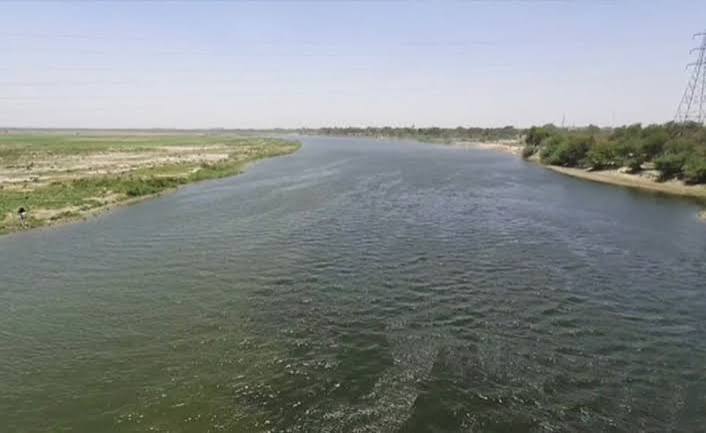
Maithon Dam is built across the Barakar River, a significant tributary that eventually merges with the Damodar River roughly 13 kilometres downstream, near the Jharkhand-West Bengal border. This positioning matters more than it might seem — the Barakar-Damodar confluence area has historically been prone to devastating floods, and taming that risk was actually the primary reason this dam exists at all.
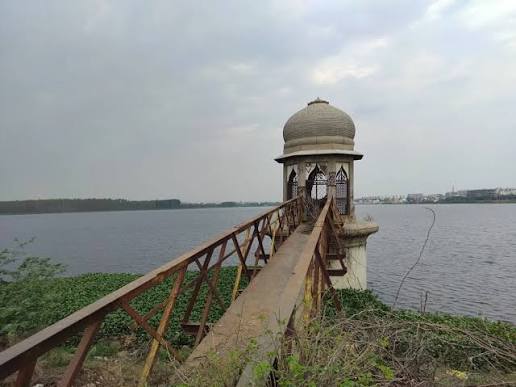
Today, the reservoir created by the dam, known locally as Maithon Lake, plays a dual role: controlling flood risk downstream while simultaneously feeding one of the region’s most distinctive hydroelectric projects.
The Story Behind Maithon’s Construction
Maithon Dam owes its existence to the Damodar Valley Corporation, established in July 1948 as independent India’s first-ever multipurpose river valley project. The Damodar basin had a long, troubled history of catastrophic flooding, and DVC was created specifically to bring that under control through a coordinated network of dams, including Maithon.
Construction moved forward through the early 1950s, and the dam was completed in 1957, standing today as one of the larger dams within Jharkhand and a defining piece of DVC’s broader flood-control and power-generation network across the Damodar valley.
The name itself carries local significance — “Maithon” comes from “Mai Ka Sthan,” meaning the abode of the goddess, a reference to Maa Kalyaneshwari, whose temple sits close to the dam and remains an important pilgrimage stop for visitors even today.
What Makes This Dam Genuinely Unique
Most visitors come for the lake views, but the real engineering story here is the underground power station, carved nearly 100 feet below the water level into the left bank of the Barakar River. When it was built, this was the first underground hydroelectric power station anywhere in South East Asia, housing three units of 20 MW each for a combined capacity that has since been enhanced to around 63.2 MW following later upgrades.
Beyond the technical achievement, the practical genius here is subtlety — an entire power-generating facility operates without disturbing the surface landscape at all, which is part of why Maithon still feels like a quiet nature retreat rather than an industrial site.
What There Is to Do at Maithon
Boating remains the most popular activity, with both pedal boats and speedboats available on the Barakar River section near the dam, giving visitors close-up views of the surrounding hillocks and the vast reservoir itself. The nearby Deer Park offers a simple, family-friendly stop where spotted deer roam in a natural enclosure, making it an easy add-on after the main dam visit.
If you’re travelling in winter, keep an eye out for migratory birds, since the lake becomes a genuine hotspot for birdwatchers during the colder months. The dam crest itself doubles as a long walkway, ideal for an evening stroll with panoramic views stretching across the water, and a dedicated sunset point offers one of the more photogenic moments of the visit, especially as the sun dips behind the surrounding hills. Every December and January, a flower show is also organised in the parks below the dam, adding a seasonal reason to plan your trip around that specific window.
Timings and Entry Fees
Maithon Dam is generally open from 6:00 AM to 6:00 PM daily, with early morning and late afternoon considered the best windows for sightseeing, largely because of how the light plays across the water during sunrise and sunset. Entry to the dam and its main walkway is free for the general public. Boating and access to select developed areas like Millennium Park come with nominal charges, typically ranging between ₹20 and ₹50.
If you’re hoping to visit the underground power station itself, this generally requires prior permission from the authorities managing the facility, so it’s worth checking current visitation policy with local administration before planning your trip around that specific experience.
Best Time to Visit
October through March remains the ideal window, when the weather stays pleasant for boating, walking, and general sightseeing, and the reservoir is typically at a comfortable level following the monsoon. Monsoon season does bring its own appeal, with the lake filling up dramatically and the surrounding greenery looking especially vivid, though visitors are advised to maintain distance from the water’s edge during this period given stronger currents.
Frequently Asked Questions
Q1. Is swimming allowed in the Maithon reservoir?
A. No, swimming is not recommended due to safety concerns including strong currents and significant depth in parts of the reservoir. Boating remains the safer and more popular way to enjoy the water.
Q2. Can I visit the underground power station at Maithon Dam?
A. Visits are generally possible only with prior permission from the authorities overseeing the facility. It’s best to check current visitation rules with local administration or DVC before including this in your itinerary.
Q3. What else can I combine with a Maithon Dam trip?
A. The nearby Kalyaneshwari Temple, Deer Park, and Maithon Bird Sanctuary are all easy add-ons, and many visitors also pair a Maithon trip with a stop at Panchet Dam, which lies within the same broader DVC network.
Q4. Is Maithon Dam suitable for a day trip from Dhanbad or Kolkata?
A. Yes, it works well as a day trip from Dhanbad given the roughly 48 km distance, though visitors coming from Kolkata often prefer an overnight stay given the longer travel time of around 3 to 3.5 hours by road.