A wooden wardrobe can look perfectly normal from the outside while termites are quietly damaging it from within. By the time you notice powder-like material, hollow-sounding wood, damaged edges or mud trails near the wall, the infestation may have already spread beyond a single piece of furniture. This hidden nature of termite damage makes prevention and early treatment especially important in Indian homes.
India’s warm conditions, seasonal humidity, monsoon moisture, concealed plumbing leaks and extensive use of wood-based furniture can create favourable conditions for termite activity in many regions. Solid wood, plywood and other wood-based materials can all be vulnerable depending on the species, treatment, construction and surrounding environment.

Termite treatment is therefore not simply about protecting the appearance of a table or cupboard. It can help protect expensive furniture, built-in woodwork and, in some cases, other vulnerable parts of the property. The most effective approach combines good-quality materials, moisture control, regular inspection and professional treatment when an active infestation is found.
Termite Protection for Furniture: Quick Overview
| Factor | Why It Matters |
|---|---|
| Early Detection | Can limit damage before it becomes extensive |
| Preventive Treatment | Reduces termite risk when correctly applied |
| Moisture Control | Removes conditions that can favour infestation |
| Regular Inspection | Helps identify hidden activity |
| Timber Quality | Some woods have better natural resistance |
| Plywood/Boards | Can still be vulnerable depending on product |
| Building Treatment | Important when infestation originates from the structure |
| Professional Treatment | Often needed for active or widespread infestation |
| Furniture Maintenance | Helps identify cracks, dampness and damage |
| Long-Term Protection | Requires monitoring rather than one-time assumptions |
Why Are Termites Dangerous for Wooden Furniture?
Termites feed on cellulose-containing materials, which include wood and many wood-based products.
The major problem is that termite activity can remain concealed.
Instead of immediately destroying the visible surface, some termites can travel through hidden areas and consume susceptible material internally.
A wardrobe may therefore still appear usable while internal sections have weakened.
Over time, infestation can affect:
- Wardrobes
- Beds
- Tables
- Chairs
- Door frames
- Wooden flooring
- Cabinets
- Wall panelling
- Skirting
- Plywood-based furniture
The severity depends on the termite species, extent of infestation, material and how long the activity remains unnoticed.
Termites Can Damage More Than One Piece of Furniture
Finding termites in one cabinet does not necessarily mean the problem is limited to that cabinet.
Depending on the type of termite and building conditions, activity may extend through:
- Walls
- Floors
- Cracks
- Utility penetrations
- Wooden frames
- Concealed spaces
For example, treating only a visibly damaged bedside table may provide temporary relief while an active termite colony continues accessing the room through the building.
This is why identifying the source and extent of the infestation matters.
A professional inspection may be appropriate when termite activity appears in multiple locations or repeatedly returns after local treatment.
Indian Weather Can Increase Termite Concerns
India has highly varied climates, but many areas experience combinations of warmth and moisture that can support termite activity.
Risk may increase where homes have:
- Damp walls
- Plumbing leaks
- Poor drainage
- Ground contact
- High humidity
- Poor ventilation
- Untreated timber
- Stored wood or cardboard
- Cracks and concealed entry points
Monsoon months can make existing moisture problems more noticeable.
However, termites should not be considered only a monsoon problem. Colonies can remain active throughout the year under suitable conditions.
Prevention therefore requires continuous awareness rather than seasonal spraying alone.
Moisture Control Is an Important Part of Prevention
Water does not create termites by itself, but damp conditions can make certain environments more favourable for termite activity and other forms of wood deterioration.
Suppose the back of a wardrobe touches a wall with continuous seepage.
The furniture may absorb moisture, finishes can deteriorate, and the concealed space may remain dark and humid.
Instead of repeatedly treating the furniture surface, fix the source of dampness.
Check for:
- Leaking pipes
- Bathroom seepage
- Kitchen plumbing problems
- Roof leaks
- Poor exterior drainage
- Damp ground-floor walls
- Condensation
Keeping the building dry is one of the most practical ways to improve the long-term protection of wooden furniture.
Signs Your Furniture May Have Termites
Early identification can prevent larger losses.
Look for warning signs such as:
Mud Tubes or Trails
Certain termites create narrow mud-like tubes that allow them to travel while remaining protected.
These may appear near walls, floors, furniture backs or wooden frames.
Hollow-Sounding Wood
Heavily damaged wood may sound unusually hollow when gently tapped because internal material has been consumed.
Damaged or Weak Wood
Edges may become fragile, thin or easily broken.
Discarded Wings
Winged termites can emerge during reproductive activity. Finding clusters of similar discarded wings around windows or other areas can justify closer inspection.
Tight or Distorted Wooden Components
Termite activity is not the only cause of sticking doors or distorted wood—humidity can also cause movement—but unexplained deterioration combined with other warning signs deserves investigation.
Avoid relying on a single symptom. Professional identification can distinguish termites from other wood-boring insects or moisture-related damage.
Does Buying Teak Furniture Solve the Problem?
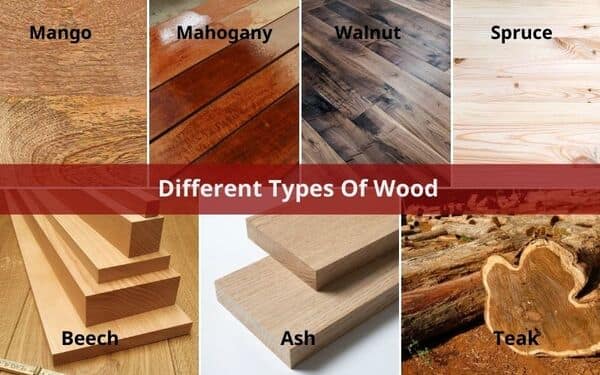
Teak is known for relatively good natural durability and resistance to certain wood-damaging organisms, particularly good-quality heartwood.
But no responsible furniture buyer should assume that simply purchasing teak makes termite management unnecessary.
Resistance varies according to:
- Timber quality
- Heartwood and sapwood content
- Environmental conditions
- Construction
- Existing infestation
Other woods and engineered boards also vary considerably in resistance.
Material choice can reduce risk, but building-level termite management and moisture control remain important.
Can Plywood and MDF Get Termites?
A common misconception is that engineered wood is automatically termite-proof.
Plywood, MDF, particle board and similar products contain wood-derived material. Their susceptibility can vary according to manufacturing method, adhesives, preservatives, treatments and exposure.
Some products are specifically marketed with enhanced termite or borer resistance.
Even then, check exactly what the manufacturer guarantees.
A treated board installed against an actively infested wall should not be expected to solve the building’s termite problem by itself.
What Is Pre-Construction Termite Treatment?
For new buildings, termite management can begin before furniture is installed.
Pre-construction measures are designed to reduce the possibility of subterranean termites entering the building from the soil.
Depending on the building and approved treatment system, measures may involve treating relevant soil or construction zones and incorporating appropriate physical or chemical barriers.
The advantage is access.
Once flooring, walls and fixed furniture are completed, some areas become much more difficult to reach.
For homeowners constructing a new property, termite prevention should therefore be discussed during the building stage rather than only after expensive interiors are installed.
Professional application and compliance with applicable product and building requirements are important.
What Is Post-Construction Termite Treatment?
Post-construction treatment is used when a building is already completed.
The appropriate method depends on:
- Type of termite
- Location of activity
- Extent of infestation
- Building construction
- Furniture involved
- Access points
Treatment may involve targeted application, baiting systems or building-level measures depending on professional assessment.
Avoid randomly drilling holes or applying chemicals without understanding the infestation.
Incorrect treatment may fail to reach the colony and can create unnecessary chemical exposure.
Why DIY Spraying May Not Solve an Infestation
Seeing termites often leads homeowners to immediately buy an insecticide spray.
A surface spray may kill termites that are directly contacted, but visible insects can represent only a small portion of the actual infestation.
Hidden activity may continue:
- Inside furniture
- Behind walls
- Below flooring
- Within door frames
- Through concealed termite routes
DIY treatment can be reasonable for certain minor pest problems, but established termite activity deserves careful assessment.
Professional pest-control technicians can identify likely termite type, activity areas and an appropriate treatment strategy.
Always follow product safety instructions, particularly in homes with children and pets.
How Termite Treatment Protects Your Furniture Investment
Good furniture can represent a substantial household expense.
Consider the cost of replacing:
- A solid wood bed
- Modular wardrobes
- Kitchen cabinets
- Dining furniture
- Doors and frames
- Custom storage units
Preventive measures and early intervention can be far less disruptive than replacing severely damaged furniture.
Treatment can also protect the effort spent on custom interiors that cannot be easily removed.
However, termite protection should be viewed as a management system, not a permanent one-time shield.
Properties should still be inspected periodically.
Practical Ways to Reduce Termite Risk
Homeowners can take several everyday precautions:
- Repair water leaks quickly.
- Address damp walls and seepage.
- Avoid storing unused timber against walls for long periods.
- Remove unnecessary cardboard accumulation from damp areas.
- Inspect furniture backs and hidden corners periodically.
- Check door frames and skirting for unusual damage.
- Maintain ventilation in enclosed rooms.
- Avoid direct wood-to-soil contact where possible.
- Use appropriately treated materials for vulnerable applications.
- Arrange professional inspection if suspicious signs appear.
These measures cannot guarantee that termites will never appear, but they can reduce risk and improve early detection.
When Should You Call a Professional?
Professional termite inspection is worth considering if:
- Mud tubes appear repeatedly.
- Several pieces of furniture show damage.
- Wooden frames sound hollow or become weak.
- Termites return after previous treatment.
- You discover activity in walls or flooring.
- A large built-in wardrobe or kitchen is affected.
- You cannot identify the source.
A qualified professional should assess whether the issue is limited to furniture or connected to a broader building infestation.
That distinction determines whether local treatment is sufficient or more extensive intervention is needed.
FAQs
1. Can termites return after treatment?
Yes. Treatment can control an existing infestation or reduce future risk, but no property should be assumed permanently protected. Effectiveness depends on treatment type, application, building conditions, moisture, maintenance and possible future entry routes.
2. Should termite-damaged furniture always be thrown away?
Not necessarily. Minor or localised damage may sometimes be treated and repaired after the infestation is controlled. Furniture with severe structural damage may be unsafe or uneconomical to restore. Have valuable pieces assessed before deciding.
3. How often should wooden furniture be checked for termites?
There is no universal inspection interval for every home. Periodic checks are sensible, with greater attention in termite-prone, ground-floor, humid or previously infested properties. Inspect sooner if you notice mud trails, wings, hollow wood or unexplained damage.
4. Can painting or polishing furniture prevent termites?
Finishes can protect the wood surface from normal wear and moisture to some extent, but they should not be considered complete termite protection. Termites may enter through joints, cracks, hidden surfaces or the surrounding building structure.