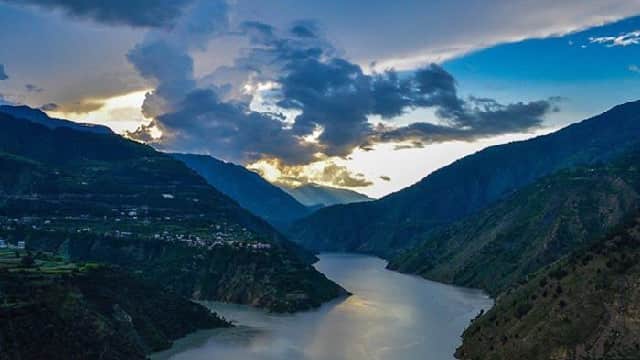
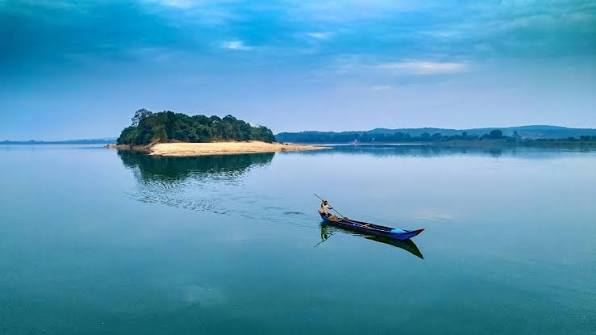
The Mahanadi River is one of the major east-flowing rivers of Peninsular India and an essential water source for central and eastern India. Beginning in the highlands of Chhattisgarh, the river travels through fertile plains, forested regions and Odisha’s extensive delta before finally meeting the Bay of Bengal. Along its journey, the Mahanadi provides water for agriculture, cities, industries and major irrigation and power projects.
The river is approximately 851 km long and its main course flows through Chhattisgarh and Odisha. However, the wider Mahanadi basin extends into parts of Maharashtra, Madhya Pradesh and Jharkhand through tributaries and catchment areas. Major tributaries such as the Seonath, Hasdeo, Mand, Ib, Ong and Tel create an extensive drainage network.
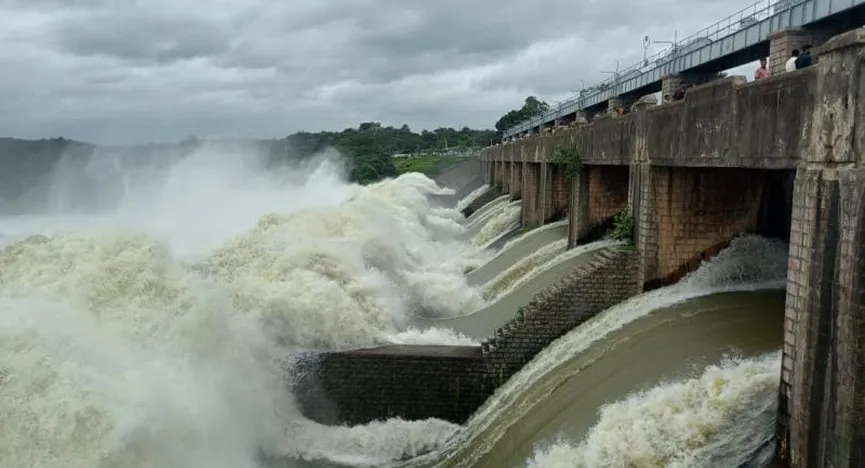
The Mahanadi is also closely associated with the Hirakud Dam near Sambalpur, one of India’s best-known multipurpose river projects. Further downstream, the river creates a broad and fertile delta before entering the Bay of Bengal. From farming and electricity generation to biodiversity and flood management, the Mahanadi plays a central role in the lives and economy of communities across its basin.
Mahanadi River Overview
| Particular | Details |
|---|---|
| River Name | Mahanadi River |
| River Type | Peninsular river |
| Origin | Sihawa Hills region |
| Origin State | Chhattisgarh |
| Origin District | Dhamtari |
| Approximate Length | 851 km |
| Main Flowing States | Chhattisgarh and Odisha |
| Wider Basin | Chhattisgarh, Odisha and small parts of Maharashtra, Madhya Pradesh and Jharkhand |
| Major Tributaries | Seonath, Hasdeo, Mand, Ib, Ong and Tel |
| Major Dam | Hirakud Dam |
| Important Cities/Regions | Sambalpur, Subarnapur, Cuttack |
| General Flow Direction | Eastward |
| Final Destination | Bay of Bengal |
| Important Feature | Mahanadi Delta |
Where Does the Mahanadi River Originate?
The Mahanadi originates in the Sihawa Hills region of Dhamtari district in Chhattisgarh.
The source lies in the upland area of central India, from where the river initially flows through Chhattisgarh before gradually developing into a much larger river.
The Mahanadi receives water primarily from rainfall, particularly the southwest monsoon. Numerous tributaries and streams draining the surrounding highlands contribute additional water as the river travels eastwards.
The name “Mahanadi” literally means “Great River”, an appropriate description considering its large drainage basin and importance to eastern India.
Important facts about its origin:
- Originates in the Sihawa Hills
- Source located in Dhamtari district
- Origin state is Chhattisgarh
- Primarily a monsoon-fed Peninsular river
- Generally flows eastwards
- Ultimately enters the Bay of Bengal
What Is the Length of the Mahanadi River?
The Mahanadi River is approximately 851 kilometres long.
A significant part of its upper course lies in Chhattisgarh, while its lower course passes through Odisha before reaching the eastern coast.
Although shorter than rivers such as the Godavari and Krishna, the Mahanadi drains a large area and carries considerable quantities of water during the monsoon.
Its seasonal flow can vary substantially. During periods of intense rainfall, the river and its tributaries may carry enormous volumes of water, historically making flooding a major concern in downstream Odisha.
Which States Does the Mahanadi River Flow Through?
The main course of the Mahanadi flows through two Indian states:
- Chhattisgarh
- Odisha
Its drainage basin, however, extends into a wider geographical area, including small portions of neighbouring states.
Mahanadi River in Chhattisgarh
The Mahanadi begins in Chhattisgarh and travels through the central plains of the state.
After originating near Sihawa, it flows through the Dhamtari region and continues across the Chhattisgarh plains.
Several important tributaries join the Mahanadi in Chhattisgarh, substantially increasing its volume.
The river system supports:
- Paddy cultivation
- Irrigation
- Rural water supply
- Reservoirs
- Fisheries
- Industrial activities
The fertile plains drained by the Mahanadi and its tributaries form an important agricultural region of Chhattisgarh.
Mahanadi River in Odisha
The river eventually enters Odisha, where it becomes one of the state’s most important rivers.
Near Sambalpur, the Mahanadi is associated with the massive Hirakud reservoir.
Further downstream, it flows through central Odisha towards the Cuttack region.
As the landscape becomes flatter near the coast, the river begins separating into distributaries and creates an extensive delta before reaching the Bay of Bengal.
Course of the Mahanadi River
The Mahanadi’s journey can broadly be divided into upper, middle and lower courses.
Upper Course
The river begins in the Sihawa Hills and flows through the plains of Chhattisgarh.
Numerous small streams and tributaries gradually increase its volume.
The upper basin is important for agriculture, particularly rice cultivation.
Middle Course
The Mahanadi enters Odisha and passes through a more varied landscape.
Near Sambalpur, the river is controlled by the Hirakud Dam, which creates a large reservoir.
Several important tributaries join the river across the middle basin.
Lower Course
Further downstream, the river enters Odisha’s coastal plains.
Its gradient decreases, and the Mahanadi divides into several distributaries.
The river system then creates the fertile Mahanadi Delta before its waters finally enter the Bay of Bengal.
Major Tributaries of the Mahanadi River
The Mahanadi has several significant tributaries draining parts of central and eastern India.
1. Seonath River
The Seonath, also written as Shivnath, is one of the most important tributaries of the Mahanadi.
It flows through Chhattisgarh and drains a large part of the state’s central region before joining the Mahanadi.
2. Hasdeo River
The Hasdeo River is another major tributary in Chhattisgarh.
It drains areas of northern Chhattisgarh before joining the Mahanadi system.
The Hasdeo basin is important for water resources, forests, agriculture and industrial activity.
3. Mand River
The Mand River flows through parts of Chhattisgarh before joining the Mahanadi.
Its catchment includes forested and mineral-rich regions.
4. Ib River
The Ib River originates in the central Indian highlands and flows through Chhattisgarh and Odisha before joining the Mahanadi.
It forms an important part of the northern drainage network of the basin.
5. Ong River
The Ong River is an important tributary of the Mahanadi in western Odisha.
It collects water from several smaller streams before joining the main river.
6. Tel River
The Tel River is one of the major tributaries joining the Mahanadi from the south.
It drains a considerable area of western and southern Odisha before meeting the main river.
Major tributaries to remember include:
- Seonath/Shivnath
- Hasdeo
- Mand
- Ib
- Ong
- Tel
Hirakud Dam on the Mahanadi River
The Hirakud Dam, located near Sambalpur in Odisha, is the most famous water project on the Mahanadi.
Built after Indian independence, it was designed as a major multipurpose river-valley project.
The dam creates a vast reservoir and plays several important roles:
- Flood control: Helps regulate high monsoon flows.
- Irrigation: Supplies water to agricultural areas.
- Hydroelectricity: Supports power generation.
- Water storage: Stores monsoon water for later use.
- Industrial supply: Provides water for economic activities.
- Fisheries: The reservoir supports fishing-based livelihoods.
The project has played an important role in managing the Mahanadi’s highly seasonal flow.
Mahanadi Delta
After crossing central Odisha, the Mahanadi reaches the coastal plains and separates into a network of distributaries.
Together with associated channels, these distributaries create the Mahanadi Delta.
Important channels of the lower river system include the Kathajodi and Birupa, among others.
The delta contains fertile alluvial soils that support intensive agriculture.
Major crops include:
- Paddy
- Pulses
- Sugarcane
- Oilseeds
- Vegetables
- Coconut in coastal areas
The delta also contains wetlands, estuarine habitats and other ecologically important landscapes.
Why Is Flooding Associated with the Mahanadi?
Historically, the Mahanadi has been associated with major floods, especially in Odisha.
The river receives a large share of its annual water during the monsoon. Intense rainfall across its extensive catchment can cause river levels to rise rapidly.
Factors contributing to flood risk include:
- Heavy monsoon rainfall
- Large catchment area
- High tributary inflows
- Low-lying coastal plains
- Sediment deposition
- Cyclonic rainfall near the eastern coast
- Limited drainage during extreme weather
The Hirakud Dam provides significant flood moderation, but exceptionally heavy rainfall can still create flood risks in downstream regions.
Importance of the Mahanadi River for Agriculture
Agriculture is one of the biggest beneficiaries of the Mahanadi system.
The river and its tributaries provide irrigation across parts of Chhattisgarh and Odisha.
The basin is especially important for rice cultivation, as both states contain large paddy-growing regions.
Reservoirs, canals and groundwater supported by the river system help farmers manage seasonal variations in rainfall.
Economic and Environmental Importance of the Mahanadi
The Mahanadi contributes to regional development in several ways.
Its major benefits include:
- Agriculture: Supports extensive irrigated farmland.
- Drinking water: Supplies towns, villages and urban areas.
- Hydropower: Generates electricity through major projects.
- Industry: Provides water for industrial activities.
- Flood management: Reservoirs help regulate seasonal flows.
- Fisheries: Rivers and reservoirs support fishing communities.
- Biodiversity: Wetlands, river channels and the delta support wildlife.
- Fertile soils: Alluvial deposits improve agricultural productivity.
Careful management of water allocation, pollution, dams and natural ecosystems is essential for maintaining the long-term health of the Mahanadi basin.
FAQs About the Mahanadi River
1. Where does the Mahanadi River start and end?
A. The Mahanadi originates in the Sihawa Hills of Dhamtari district in Chhattisgarh. It flows eastwards for approximately 851 km through Chhattisgarh and Odisha before entering the Bay of Bengal through its delta.
2. Which states does the Mahanadi River flow through?
A. The main Mahanadi River flows through Chhattisgarh and Odisha. Its wider drainage basin also extends into small parts of Maharashtra, Madhya Pradesh and Jharkhand.
3. Which are the major tributaries of the Mahanadi?
A. Major tributaries of the Mahanadi include the Seonath (Shivnath), Hasdeo, Mand, Ib, Ong and Tel rivers. These tributaries considerably expand the river’s drainage basin across central and eastern India.
4. Which major dam is built on the Mahanadi River?
A. The Hirakud Dam near Sambalpur in Odisha is the best-known major dam on the Mahanadi. It is a multipurpose project used for irrigation, hydroelectric power generation, water storage and flood moderation.