A restaurant once needed a permanent address, a dining room, a kitchen hidden behind swinging doors and considerable money before the first customer could be served. Food trucks challenged that idea. Put a professional kitchen on wheels, take it where customers already gather and suddenly a chef can serve anything from tacos and burgers to biryani, momos, dosas and fusion dishes without operating a conventional restaurant.
Today, food trucks can be found at business districts, university areas, festivals, concerts, markets and private events across the world. Their rise is not simply another fast-food trend. They have created a flexible format where street-food culture, entrepreneurship, social media and culinary experimentation meet.
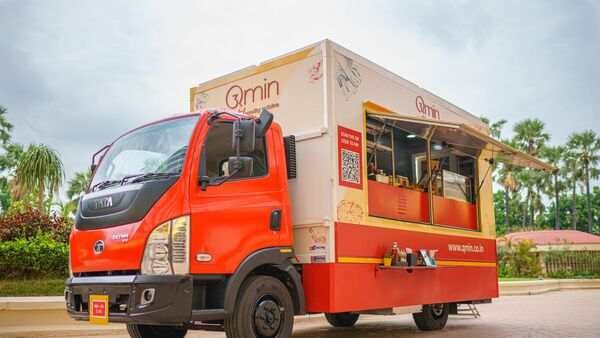
India already had an enormous roadside-food tradition long before modern food trucks arrived. What trucks added was a new business format: branded mobile kitchens offering restaurant-style menus with the accessibility and informality of street food. To understand how this became a global culinary movement, we need to look at how mobile food evolved from practical necessity into a platform for modern chefs and entrepreneurs.
Food Trucks: From Mobile Meals to a Global Trend
| Stage | Major Development | Why It Mattered |
|---|---|---|
| Early Mobile Food | Meals sold to workers and travellers | Food reached customers directly |
| Industrial Growth | Mobile vendors served workplaces | Convenient meals near employment centres |
| Modern Food Trucks | Professional kitchens installed in vehicles | Wider menus became possible |
| Gourmet Movement | Chefs introduced creative dishes | Improved perception of mobile food |
| Social Media Era | Locations and menus shared online | Solved the problem of finding mobile vendors |
| Festival Culture | Trucks gathered at public events | Created social dining experiences |
| Global Expansion | Local cuisines adapted to trucks | Created diverse food-truck identities |
| Indian Growth | Modern trucks joined existing street-food culture | New format for food entrepreneurs |
Mobile Food Existed Long Before Modern Food Trucks
The idea of selling food from a moving vehicle is much older than today’s colourful trucks.
As cities industrialised, workers often needed affordable meals close to factories, construction sites and commercial areas. Mobile food sellers could go directly to customers rather than expecting workers to travel to restaurants.
In the United States, historical mobile-food traditions included chuck wagons serving people travelling and working in the American West and later lunch wagons serving urban workers.
Other countries developed their own forms of mobile vending.
India, meanwhile, developed an extensive ecosystem of:
- Food carts
- Tea stalls
- Cycle vendors
- Handcarts
- Roadside stalls
- Temporary market kitchens
These were not necessarily “food trucks” in the modern sense, but they operated on the same basic principle: take affordable food to where people need it.
The Shift From Utility Food to Culinary Experience
For much of their history, mobile food vendors were associated primarily with convenience.
Customers wanted something quick, filling and affordable.
Modern food trucks changed expectations.
Entrepreneurs realised that a vehicle could become a small restaurant with its own:
- Brand identity
- Specialised menu
- Professional cooking equipment
- Packaging
- Social-media presence
- Signature dishes
Instead of trying to reproduce a huge restaurant menu inside a limited kitchen, successful operators often concentrated on a small number of items they could prepare consistently.
That limitation became an advantage.
A truck could become famous for one burger, taco, sandwich, rice bowl or dessert rather than trying to offer everything.
Gourmet Food Trucks Changed Public Perception
One of the biggest developments in modern food-truck culture was the emergence of gourmet food trucks.
Chefs began applying restaurant techniques and creative flavour combinations to food served from vehicles.
Suddenly, mobile food was not limited to basic convenience meals.
Customers encountered combinations such as:
- Korean-inspired tacos
- Gourmet burgers
- Artisan sandwiches
- Specialty grilled foods
- Regional fusion dishes
- Premium desserts
- Creative vegetarian meals
The boundary between “restaurant food” and “street food” became less rigid.
A customer could receive an inventive chef-designed meal without sitting at a formally dressed restaurant table.
This accessibility helped turn food trucks into part of contemporary culinary culture rather than merely an inexpensive alternative to restaurants.
Social Media Was Perfect for Food Trucks
A restaurant stays in one place. A food truck may be somewhere different tomorrow.
Historically, that created an obvious business problem: How does the customer find it?
Social media provided an ideal solution.
Operators could announce:
- Today’s location
- Opening hours
- Special dishes
- Sold-out items
- Upcoming festivals
- New menu launches
Customers could follow a favourite truck online and find it wherever it parked.
Photogenic vehicles and colourful food also worked naturally on image-driven platforms.
A visually distinctive truck effectively became a moving billboard.
Social media therefore did more than advertise food trucks—it helped make the mobile business model practical for a digitally connected generation.
Lower Entry Barriers Attracted Entrepreneurs
Opening a full-service restaurant can require substantial investment in rent, interiors, furniture, equipment and staff.
A food truck can eliminate or reduce some of those costs, although operating one is certainly not cheap or simple.
Entrepreneurs still need to consider expenses such as:
- Vehicle purchase or modification
- Kitchen equipment
- Fuel
- Maintenance
- Staff
- Ingredients
- Packaging
- Insurance
- Storage and preparation facilities
- Licences and regulatory compliance
- Approved operating locations
Nevertheless, the format can offer greater flexibility than a traditional restaurant.
For aspiring chefs and small food businesses, that flexibility made trucks an attractive way to test a concept before committing to a permanent outlet.
Food Trucks Became Laboratories for Fusion Cuisine
Limited menus encourage experimentation.
Instead of reproducing traditional dishes exactly, food-truck operators often redesign them for convenient handheld or takeaway eating.
That has produced combinations that cross cultural boundaries.
Imagine:
- Tandoori filling inside a wrap
- Paneer incorporated into a burger
- Korean flavours combined with Mexican tacos
- Indian spices used in loaded fries
- Regional chutneys paired with international snacks
Fusion cuisine existed long before food trucks, but the informal nature of mobile dining made experimentation easier.
Customers approaching a colourful truck at a festival may be more willing to try an unusual ₹200 snack than commit to an unfamiliar full restaurant meal.
This makes food trucks useful testing grounds for new ideas.
Festivals Turned Food Trucks Into Social Experiences
One food truck offers convenience.
Twenty trucks gathered in one location create an event.
Food-truck festivals became an important part of the movement because they transformed mobile eating into a form of entertainment.
Visitors could:
- Compare multiple cuisines
- Share different dishes
- Listen to music
- Spend time outdoors
- Discover independent food brands
The variety solved another challenge facing individual trucks.
A group of friends does not need to agree on one cuisine. One person can order a burger, another a rice bowl and someone else dessert.
Food became part of a larger leisure experience.
How Food Trucks Fit Into India’s Food Culture
India presents an interesting case because mobile and street-side food is hardly new.
For generations, Indian cities have relied on vendors selling foods such as:
- Chaat
- Vada pav
- Dosa
- Chole kulche
- Momos
- Kebabs
- Rolls
- Tea
- Regional snacks
Modern food trucks therefore did not introduce Indians to informal eating.
Instead, they introduced a different presentation and business structure.
A truck can combine the accessibility of street food with branding, specialised equipment, modern packaging and digital marketing.
Cities such as Bengaluru, Delhi-NCR, Mumbai, Pune and Hyderabad have all seen entrepreneurs experiment with mobile-food concepts.
Indian trucks can also draw from an extraordinary range of regional cuisines, giving the format enormous creative potential.
Food Trucks Can Take Regional Food to New Audiences
India’s culinary diversity offers opportunities beyond burgers and fries.
A food truck can potentially specialise in:
- Rajasthani snacks
- Kerala-style dishes
- Bengali street food
- Maharashtrian favourites
- Northeast Indian cuisine
- South Indian tiffin
- Lucknow-style kebabs
- Gujarati snacks
The smaller format allows operators to build an identity around one region rather than offering the enormous multi-cuisine menu common in some restaurants.
This can introduce customers to dishes they might not otherwise encounter.
Food trucks therefore have the potential to function as mobile ambassadors for regional cuisine.
Running a Food Truck Is Not as Easy as It Looks
The romantic image is simple: buy a truck, cook great food and park wherever customers appear.
Reality is considerably more complicated.
A food truck combines two difficult businesses—a commercial kitchen and a vehicle.
Operators may face:
- Vehicle breakdowns
- Limited cooking space
- Water and electricity requirements
- Waste disposal
- Food-safety responsibilities
- Weather problems
- Parking restrictions
- Local permissions
- Ingredient storage challenges
- Unpredictable customer traffic
In India, food businesses also need to comply with applicable food-safety requirements, while municipal and local rules can affect where mobile vendors operate.
A brilliant menu cannot compensate for poor hygiene or unreliable operations.
Food Safety Is Especially Important
A small mobile kitchen must maintain the same fundamental food-safety discipline expected from other professional food businesses.
Operators need to manage:
- Safe ingredient storage
- Appropriate temperatures
- Clean water
- Hand hygiene
- Separation of raw and cooked foods
- Waste disposal
- Cleaning of surfaces and equipment
- Allergen awareness
India’s high summer temperatures can make temperature control particularly important.
The compact nature of a truck makes careful kitchen organisation essential.
From Food Truck to Permanent Restaurant
Interestingly, food trucks do not always remain mobile forever.
A successful truck can become a testing platform for a larger food brand.
Operators can use it to learn:
- Which dishes sell best
- What customers are willing to pay
- Which locations generate demand
- How quickly dishes can be prepared
- Whether the concept encourages repeat purchases
Once a loyal customer base develops, some entrepreneurs expand into permanent restaurants, multiple trucks, catering operations or packaged-food businesses.
In this sense, the food truck can act as a real-world culinary startup laboratory.
Why the Food-Truck Movement Continues to Matter
The global success of food trucks comes from their ability to combine several things modern consumers value: convenience, novelty, informal dining, entrepreneurship and culinary diversity.
They also demonstrate that good food does not require white tablecloths or an expensive dining room.
For India, the idea feels both new and familiar. Mobile kitchens are a modern business format, but taking freshly prepared food directly to busy streets and communities is deeply connected to India’s longstanding street-food culture.
The truck itself may change as technology and regulations evolve, but the fundamental idea is unlikely to disappear: go where people are, cook something distinctive and make good food accessible without the formality of a conventional restaurant.
FAQs
1. Are food trucks cheaper to start than restaurants in India?
A. They can avoid some expenses associated with a full restaurant, particularly large dining spaces and expensive interiors. However, vehicle modification, commercial equipment, maintenance, licences, staff, storage and approved operating locations can still make a professional food truck a substantial investment.
2. Can a food truck park and sell food anywhere in India?
A. No. Operating requirements can depend on food-safety regulations as well as municipal, traffic, vending, parking and local rules. Entrepreneurs should confirm the requirements applicable to their specific city and proposed location before starting operations.
3. Why are fusion foods so common on food-truck menus?
A. Food trucks usually operate with compact kitchens and focused menus, encouraging operators to create distinctive signature dishes. Their informal environment also makes customers more willing to experiment with combinations of different cuisines.
4. Can a food truck become a successful restaurant brand?
A. Yes. A truck can allow entrepreneurs to test dishes, pricing and customer demand before expanding. However, success depends on much more than the food itself—location strategy, consistency, hygiene, branding, cost control and operational reliability are equally important.