A steaming bowl of khichdi can feel perfect on a rainy evening but far less appealing during a scorching May afternoon. When temperatures rise, the same person may start craving chilled chaas, curd rice, watermelon or a light cucumber raita. As winter arrives, gajar ka halwa, sarson ka saag, soups and hot parathas suddenly return to the menu. Our favourite comfort foods may remain emotionally important throughout the year, but the foods we actually reach for often change with the weather.
This seasonal shift is especially noticeable in India because the country experiences enormous variations in temperature, rainfall, humidity and agricultural produce. Food preferences are influenced by physical comfort, availability, family habits, festivals and memories built over many years.
Comfort food is therefore not simply a list of dishes we love. It is closely connected to where we live, what season we are experiencing and what food makes us feel familiar, satisfied or emotionally settled at that moment.

How Seasons Influence Comfort Food Choices
| Season | Common Preference | Indian Examples | Major Influence |
|---|---|---|---|
| Summer | Light, cooling foods | Chaas, curd rice, raita, fruits | Heat and hydration |
| Monsoon | Hot, freshly cooked foods | Pakoras, bhutta, chai, khichdi | Rain, warmth and nostalgia |
| Winter | Warm, hearty dishes | Parathas, saag, soups, halwa | Cold weather and seasonal produce |
| Spring | Fresher, lighter meals | Seasonal vegetables, fruits | Weather transition |
| Festival Periods | Rich traditional foods | Mithai, festive snacks | Culture and memory |
| Regional Seasons | Local seasonal dishes | Varies across India | Climate and agriculture |
Temperature Changes What Feels Pleasant to Eat
One of the simplest reasons food preferences change is physical temperature.
On a very hot day, a heavy, steaming meal can feel less attractive. Cooler or lighter foods may seem more comfortable.
During winter, the opposite often happens.
Warm food provides an immediate sensory feeling of comfort. Holding a cup of hot chai or eating freshly prepared soup on a cold evening can feel satisfying even before the meal’s nutritional value is considered.
Temperature influences the entire eating experience:
- How the food smells
- How quickly we want to eat
- Whether we prefer hot or cold drinks
- Which textures feel appealing
- How heavy a meal feels
This does not mean everyone follows the same seasonal pattern, but climate clearly affects what many people find enjoyable.
Why Summer Comfort Food Becomes Lighter
Indian summers can be intense, with temperatures exceeding comfortable levels across many regions.
During this period, people often naturally turn toward foods that feel refreshing.
Common summer favourites include:
- Chaas
- Lassi
- Curd rice
- Raita
- Cucumber
- Watermelon
- Muskmelon
- Lemon-based drinks
- Coconut water
- Seasonal raw mango preparations
These foods differ dramatically from rich winter dishes.
Hydration also becomes especially important in hot weather. Foods with high water content can contribute to overall fluid intake, although they do not replace the need to drink sufficient safe fluids.
Curd-based dishes are particularly popular in many Indian regions because they can be served cool and pair easily with everyday meals.
The key idea is comfort through freshness rather than heaviness.
Mangoes Show How Season Creates Emotional Food Connections
Few ingredients demonstrate India’s seasonal food culture better than mangoes.
For many families, summer means the return of particular mango varieties, aamras, mango shakes, raw mango chutneys, panna and homemade pickles.
Part of the excitement comes from limited availability.
When a food appears strongly during one part of the year, anticipation becomes attached to the season itself.
A child who spends every summer eating mangoes with grandparents may later associate the fruit not merely with sweetness but with:
- School holidays
- Family visits
- Childhood
- Home
- Summer afternoons
This is how seasonal foods become comfort foods through memory.
Why Rain Makes Pakoras and Chai So Appealing
Few Indian food combinations are as culturally recognisable as rain, chai and pakoras.
The appeal is partly sensory.
The weather becomes cooler, skies darken and the sound of rain changes the atmosphere. Against that background, a hot cup of tea and freshly fried snack provide warmth, strong aroma and contrasting texture.
But the connection is also learned.
Films, family traditions and repeated monsoon experiences reinforce the idea that rainy weather is “pakora weather.”
Other monsoon comfort foods can include:
- Roasted bhutta
- Samosas
- Hot poha
- Khichdi
- Soups
- Tea and coffee
Not everyone chooses the same dishes, but the underlying pattern is similar: cool, damp weather increases the appeal of warm, freshly prepared food for many people.
Monsoon Comfort Is Also About Food Safety
The rainy season requires a practical consideration beyond cravings.
Heat and humidity can support faster microbial growth under unsuitable storage conditions, while contaminated water can increase food-safety risks.
During monsoon months, households should pay particular attention to:
- Drinking safe water
- Washing produce appropriately
- Cooking food thoroughly where required
- Refrigerating perishable leftovers promptly
- Avoiding food kept for long periods at unsafe temperatures
- Maintaining kitchen and hand hygiene
A hot dish may feel comforting, but simply being hot does not guarantee that food was safely handled before serving.
Why Winter Encourages Richer Foods
Winter transforms food habits across many parts of India.
North Indian markets fill with seasonal produce such as carrots, peas, cauliflower, leafy greens and mustard greens.
The season also brings familiar favourites such as:
- Sarson ka saag
- Makki ki roti
- Gajar ka halwa
- Stuffed parathas
- Panjiri
- Gond preparations
- Til sweets
- Gajak
- Chikki
Some of these foods are energy-dense because they contain ingredients such as ghee, nuts, sesame, groundnuts or jaggery.
Historically, seasonal availability strongly influenced what families cooked. Winter harvests provided ingredients that became incorporated into celebrations and household traditions.
Today, supermarkets may make many foods available for longer periods, but the emotional association remains.
Gajar ka halwa simply feels different when fresh winter carrots appear in the market.
Seasonal Produce Shapes Regional Comfort Foods
India does not experience one uniform season.
Winter in Delhi is very different from winter in Chennai. The monsoon reaches different parts of the country at different times and with different intensity.
As a result, seasonal comfort food is highly regional.
Local food traditions developed around:
- Temperature
- Rainfall
- Crop cycles
- Local vegetables
- Available grains
- Fishing seasons
- Preservation techniques
- Religious calendars
This is why there cannot be one universal list of “Indian seasonal comfort foods.”
A dish that represents winter comfort in Punjab may have little seasonal significance to a family in Kerala.
India’s food diversity reflects its climate diversity.
Festivals Can Change What We Crave
Seasons in India are closely connected with festivals.
When a festival returns each year, its foods return with it.
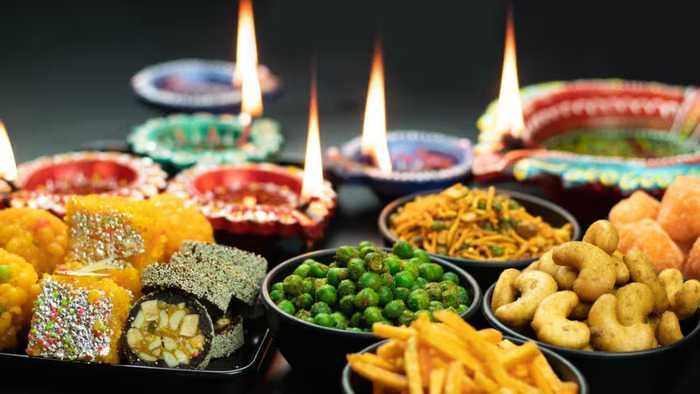
Diwali may bring thoughts of mithai and savoury snacks. Holi brings gujiya to many North Indian households. Ganesh Chaturthi brings modak, while Makar Sankranti is associated with sesame and jaggery preparations in several regions.
Repeated exposure builds powerful associations.
Eventually, seeing a particular season approaching can create anticipation for its festival foods.
The craving is therefore not purely biological.
It may be driven by:
- Memory
- Family rituals
- Religion
- Social gatherings
- Childhood experiences
- Seasonal availability
Comfort food often satisfies emotional expectations as much as hunger.
Smell Makes Seasonal Memories Powerful
Smell has a particularly strong connection with memory.
The aroma of frying pakoras during rain or cardamom entering a pot of winter chai can instantly remind someone of previous experiences.
Comfort foods often become powerful because multiple senses work together:
Taste + smell + temperature + surroundings + memory
This helps explain why restaurant recreations sometimes fail to provide the same comfort as a family recipe.
The ingredients may be almost identical, but the emotional context is missing.
Modern Lifestyles Are Changing Seasonal Eating
Refrigeration, supermarkets, food imports and delivery apps have reduced some traditional seasonal restrictions.
Today, consumers can find many ingredients outside their historical growing seasons.
Air-conditioned homes and offices also reduce our direct exposure to outdoor temperatures for part of the day.
Yet seasonal eating has not disappeared.
Social media may actually reinforce it through trends such as:
- Mango recipes in summer
- Monsoon snack videos
- Winter halwa recipes
- Festival-special menus
- Seasonal café drinks
Restaurants also create limited-time menus to take advantage of seasonal anticipation.
Modern food systems may make dishes available year-round, but people still enjoy the feeling of eating something “at the right time.”
Does the Body Automatically Need Heavy Food in Winter?
Seasonal preferences should not be confused with strict nutritional rules.
Living in cold conditions can affect energy requirements in certain circumstances, but most people in modern homes do not automatically need large quantities of ghee, sugar or fried foods simply because it is winter.
Likewise, summer does not require surviving only on salads and cold drinks.
A balanced diet remains important throughout the year.
Seasonal comfort foods can be enjoyed while paying attention to:
- Portion size
- Overall dietary balance
- Added sugar
- Excessive salt
- Fried-food frequency
- Hydration
- Individual health needs
Comfort and nutrition do not have to compete.
How to Enjoy Seasonal Comfort Food Mindfully
The goal is not to eliminate pakoras during the monsoon or gajar ka halwa in winter. These foods are part of India’s cultural experience.
Instead, keep the overall pattern balanced.
Practical approaches include:
- Enjoy seasonal fruits and vegetables when available.
- Treat rich festival foods as part of the celebration rather than everyday staples.
- Pair fried snacks with balanced meals during the rest of the day.
- Stay well hydrated during hot weather.
- Prepare comfort foods at home when practical so ingredients and portions can be adjusted.
- Preserve family seasonal recipes by teaching them to younger generations.
Most importantly, recognise why you want a particular food.
Sometimes you are physically hungry. Sometimes you want warmth. Sometimes you are simply remembering what rainy evenings at home used to feel like.
All three experiences are part of eating.
FAQs
Q1. Why do I crave fried foods more during rainy or cold weather?
A. Hot, crispy and energy-dense foods can feel particularly appealing in cooler weather, while repeated cultural associations—such as chai and pakoras during rain—can strengthen the craving. Habit and memory can therefore be just as important as physical temperature.
Q2. Is seasonal food automatically healthier?
A. No. Seasonal fruits and vegetables can be fresh and practical choices, but “seasonal” does not automatically mean healthy. A seasonal sweet or deep-fried snack is still an indulgent food and should be considered within the overall diet.
Q3. Why do childhood foods feel more comforting than similar restaurant dishes?
A. Comfort is influenced by memory as well as flavour. A family dish may be associated with parents, grandparents, festivals or childhood routines. A restaurant can reproduce the recipe but cannot completely reproduce those emotional associations.
Q4. Can I eat traditional winter foods such as gajak and gajar ka halwa regularly?
A. They can be enjoyed as part of a balanced diet, but many traditional winter sweets are energy-dense and may contain substantial sugar, jaggery, ghee or nuts. Portion size and frequency are particularly important for people managing weight, blood glucose or other dietary concerns.