India has always had a strong relationship with plant-based eating. Dal, rajma, chana, vegetables, millets, rice, roti, nuts and seeds have been everyday foods for generations. Yet walk through a modern supermarket or browse a food-delivery app today, and a different category is becoming increasingly visible: plant-based milk, meat alternatives, vegan mayonnaise, dairy-free desserts and products designed to imitate familiar animal-based foods.
This represents a new phase in India’s food culture. Modern plant-based alternatives are not simply traditional vegetarian dishes in new packaging. Many are specifically developed to reproduce the taste, texture or convenience of products such as milk, chicken, kebabs, burgers and cheese using plant-derived ingredients.
The category is attracting vegans, vegetarians, flexitarians, environmentally conscious consumers and people simply curious about trying something different. However, popularity does not automatically make every plant-based product healthier. Price, nutrition, ingredients and processing all deserve attention.
Plant-Based Alternatives in India: Quick Overview
| Category | Common Alternatives | Typical Base Ingredients |
|---|---|---|
| Milk | Soy, oat, almond beverages | Soybeans, oats, almonds |
| Meat | Plant-based kebabs, nuggets, mince | Soy, peas, wheat, legumes |
| Burgers | Meat-free patties | Soy, pea protein, vegetables |
| Chicken Alternatives | Nuggets, strips, mock chicken | Soy, wheat, pea protein |
| Dairy Desserts | Dairy-free ice cream | Coconut, soy, nuts, oats |
| Cheese | Plant-based cheese alternatives | Nuts, oils, starches, soy |
| Mayonnaise | Egg-free mayonnaise | Vegetable oils, plant proteins |
| Protein Products | Plant protein powders | Pea, soy, rice |
| Traditional Alternatives | Dal, chana, tofu, soy chunks | Pulses, soybeans |
India Was Plant-Friendly Long Before the Modern Trend
The idea of eating meals centred around plants is hardly new to India.
Traditional diets across the country already include enormous quantities of plant foods.
Consider familiar dishes such as:
- Rajma chawal
- Chole
- Dal-roti
- Sambar-rice
- Poha
- Idli
- Vegetable khichdi
- Baingan bharta
- Mixed millet dishes
India’s vegetarian traditions developed through combinations of religion, regional agriculture, economics and cultural practices.
Modern plant-based companies are therefore entering a market where consumers already understand meat-free eating.
What is new is the attempt to create products that specifically replace animal-derived foods while providing a similar eating experience.
What Does “Plant-Based” Actually Mean?
The term can be confusing because it is used in several ways.
A plant-based diet may simply mean a dietary pattern that emphasises foods derived from plants.
A commercial “plant-based alternative,” however, often refers to a product formulated to replace a particular animal-derived food.
For example:
- Soy beverage may replace dairy milk.
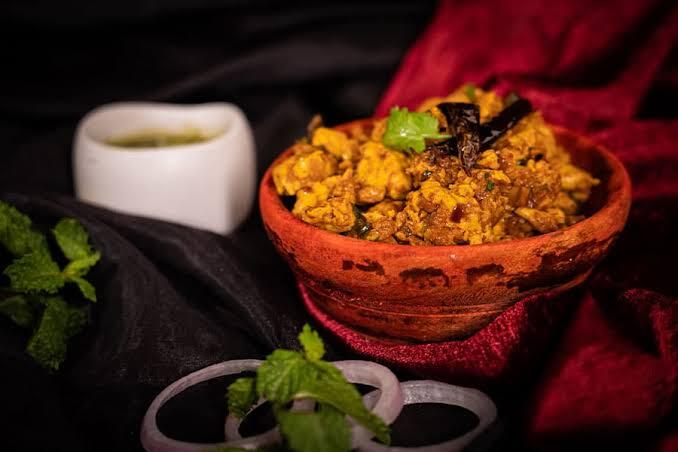
- Plant-based mince may replace meat mince.
- Vegan mayonnaise may replace egg-based mayonnaise.
- Plant-based nuggets may replace chicken nuggets.
Plant-based and vegan are also not always interchangeable marketing concepts. Consumers following a strict vegan lifestyle should check ingredients and appropriate product declarations rather than assuming every item promoted as plant-focused meets their requirements.
Plant-Based Milk Alternatives Are Becoming More Visible
Dairy alternatives are among the easiest plant-based products to find in urban India.
Options now commonly include:
- Soy beverages
- Almond beverages
- Oat beverages
- Coconut-based drinks
They are used in coffee, smoothies, breakfast cereals and cooking.
Cafés have helped increase their visibility by offering alternative milk options with coffee and other beverages.
However, plant-based milk alternatives are not nutritionally identical to dairy milk or to one another.
Protein content can vary considerably. Soy-based beverages often provide more protein than some nut or cereal-based alternatives, while calcium, vitamin B12 and vitamin D levels depend partly on fortification.
Consumers should therefore compare labels rather than treating every plant beverage as nutritionally equivalent.
Meat Alternatives Are Targeting More Than Vegetarians
One of the most interesting developments is the rise of plant-based products designed to imitate chicken, mutton or other meat experiences.
These products may use ingredients such as:
- Soy protein
- Pea protein
- Wheat protein
- Legume proteins
- Vegetable oils
- Starches
- Seasonings
Manufacturers use food-processing techniques to create fibrous, chewy or juicy textures resembling familiar meat dishes.
The target audience is not necessarily limited to vegans.
A significant opportunity comes from flexitarian consumers—people who still eat animal products but intentionally replace some meals with plant-based options.
For such consumers, the question is less “Will I stop eating meat permanently?” and more “Can I enjoy a meat-free dinner occasionally without giving up a familiar taste?”
Why Younger Urban Consumers Are Interested
Modern plant-based alternatives are particularly visible among younger consumers in metropolitan and larger Indian cities.
Several factors contribute to this interest.
Curiosity
People increasingly encounter international food trends through social media, travel and streaming content.
Trying a plant-based burger becomes a culinary experiment rather than necessarily a permanent lifestyle decision.
Convenience
Traditional vegetarian cooking can be nutritionally excellent, but it still requires preparation.
Frozen plant-based nuggets or kebabs offer the convenience associated with other ready-to-cook products.
Ethical concerns
Some consumers want to reduce their use of animal-derived foods because of concerns about animal welfare.
Environmental awareness
Others are interested in the environmental footprint of food production.
Dietary preferences
People avoiding particular animal-derived foods may use alternatives to maintain familiar recipes.
These motivations can overlap.
Sustainability Has Become Part of the Conversation
Environmental concerns are frequently used to promote plant-based foods.
Livestock production can require substantial land, feed and other resources and can contribute to greenhouse-gas emissions. Shifting some consumption toward plant foods can therefore have environmental advantages depending on what foods are being compared and how they are produced.
However, sustainability should not be reduced to a simple slogan.
The environmental footprint of a particular product can depend on:
- Ingredient production
- Farming methods
- Processing
- Packaging
- Refrigeration
- Transportation
- Food waste
A locally produced dal and an extensively processed imported speciality product are both plant-based, but their supply chains can look very different.
Plant-based does not automatically mean zero environmental impact.
Are Plant-Based Alternatives Healthier?
Not necessarily.
This is one of the most important distinctions for Indian consumers.
A food can be:
Plant-based + highly processed + high in sodium
at the same time.
Likewise, a plant-based dessert can still contain considerable added sugar and fat.
When evaluating packaged alternatives, check:
- Protein per serving
- Fibre
- Sodium
- Added sugars
- Saturated fat
- Total calories
- Ingredient list
- Fortified nutrients
The nutritional quality of a food should be judged by its overall composition, not by one attractive front-of-pack claim.
Traditional Indian Foods Remain Powerful Alternatives
The growth of commercial plant-based products should not make traditional Indian foods appear outdated.
In fact, some of India’s most affordable plant protein sources have been present in household kitchens for generations.
Examples include:
- Moong
- Masoor
- Urad
- Toor dal
- Rajma
- Chana
- Lobia
- Peas
- Soybeans and soy foods
- Groundnuts
These foods may not imitate chicken or cheese, but they can contribute protein, fibre and other nutrients to a balanced diet.
For families concerned about the relatively high cost of premium plant-based products, traditional pulses remain highly relevant.
You do not need an expensive mock-meat burger to eat a more plant-focused diet.
Protein Deserves Special Attention
One common question is whether plant-based eating provides enough protein.
It certainly can, but dietary planning matters.
Protein can come from foods such as:
- Pulses
- Beans
- Soy products
- Nuts
- Seeds
- Peas
- Whole grains
People moving from an unrestricted diet to a heavily plant-based or vegan diet should consider the overall quantity and variety of protein-containing foods they consume.
Packaged meat substitutes can contribute protein, but their levels vary considerably.
A product looking like meat does not guarantee that it provides the same amount of protein as the food it imitates.
Always check the nutrition panel.
Vitamin B12 and Other Nutrients Need Consideration
A poorly planned diet can be inadequate regardless of whether it contains animal products.
People following strict vegan diets need to pay particular attention to vitamin B12, because reliable natural plant sources are limited.
Depending on the overall diet, other nutrients requiring attention may include:
- Iron
- Calcium
- Vitamin D
- Iodine
- Omega-3 fats
- Zinc
- Protein
Fortified foods can help, but supplementation may be necessary in some situations, particularly for vitamin B12.
Individual requirements differ, so people making major dietary changes may benefit from professional nutritional guidance.
Price Remains a Major Challenge in India
One of the biggest obstacles facing modern plant-based alternatives is affordability.
A premium plant-based burger patty or imported dairy alternative may cost considerably more than familiar Indian staples.
This creates an unusual situation.
Traditional plant-focused eating can be economical—think dal, chana and seasonal vegetables—while modern packaged plant-based substitutes may be positioned as premium products.
For the category to become truly mainstream in India, manufacturers will likely need to compete on:
- Price
- Taste
- Local flavours
- Availability
- Nutrition
- Convenience
Indian consumers are highly value-conscious, particularly for foods purchased regularly rather than occasionally.
Indian Flavours Could Drive the Next Stage of Growth
Plant-based alternatives do not necessarily need to imitate Western foods.
India provides enormous opportunities for products designed around local tastes.
Instead of focusing only on burger patties, companies can adapt plant proteins into familiar formats such as:
- Seekh kebabs
- Keema-style dishes
- Biryani components
- Momos
- Cutlets
- Rolls
- Curries
- Tikka-style products
The closer products fit into everyday Indian cooking, the easier they may be for consumers to adopt.
Taste remains critical.
Environmental or ethical messaging may encourage someone to buy a product once, but flavour, affordability and convenience are more likely to determine whether they buy it again.
Plant-Based Eating Does Not Have to Be All or Nothing
Perhaps the most important aspect of India’s plant-based movement is that consumers do not necessarily need to adopt a strict identity.
Someone can simply choose:
- Dal instead of meat for one meal
- Soy beverage in a coffee
- A plant-based kebab occasionally
- More vegetables in everyday meals
- Beans or chickpeas more frequently
This flexible approach can make dietary change easier.
India already has a strong foundation of plant-centred cooking. The modern plant-based industry is adding new choices rather than inventing the concept from scratch.
Whether every new alternative survives will depend on taste, nutrition, affordability and consumer trust. But the broader interest in diversifying protein sources and exploring more plant-focused meals is likely to remain an important part of India’s changing food culture.
FAQs
Q1. Are plant-based meat alternatives healthier than real meat?
A. Not automatically. Nutritional composition varies widely. Some alternatives provide substantial protein, while others may be high in sodium or contain significant amounts of added fats. Compare the complete nutrition label rather than assuming “plant-based” means healthier.
Q2. Which plant-based milk alternative is best for protein?
A. Soy-based beverages commonly contain more protein than many almond, coconut or oat alternatives, although formulations differ by brand. Check protein per 100 ml and whether the product is fortified with nutrients such as calcium, vitamin D and vitamin B12.
Q3. Do Indians need expensive plant-based products to reduce meat consumption?
A. No. Traditional foods such as dal, chana, rajma, lobia, soy foods, nuts and seeds can support a plant-focused diet without relying on premium meat substitutes.
Q4. Can a completely plant-based diet provide all necessary nutrients?
A. A well-planned vegan diet can meet many nutritional requirements, but certain nutrients—especially vitamin B12—require particular attention. Iron, calcium, vitamin D, iodine, omega-3 fats, zinc and protein may also need careful planning depending on the person’s diet and health needs.