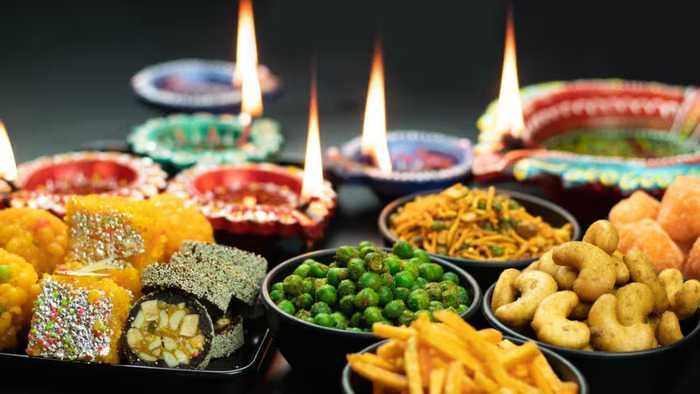
You open a food-delivery app planning to order a simple dal-rice meal. A few minutes later, a photograph of a glossy paneer tikka platter, a cheese-loaded pizza or a rich chocolate dessert catches your attention. Nothing about your hunger has changed, yet suddenly the original meal seems less exciting. This everyday experience shows just how strongly food photography can influence what we want to eat.
In India, where restaurant discovery, food-delivery apps, Instagram reels and digital menus have become part of everyday eating, we increasingly “eat with our eyes” before tasting anything. A carefully photographed biryani can appear more aromatic, a colourful salad healthier and a tall burger more satisfying—even though an image cannot tell us much about flavour, nutrition or actual portion size.
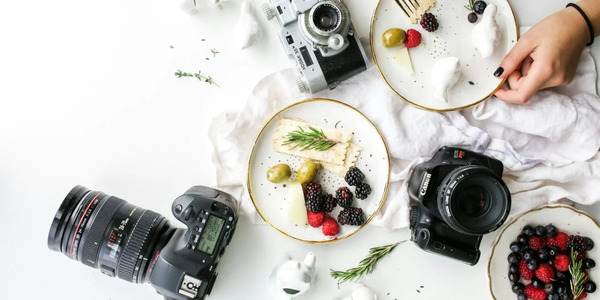
Food photography works because visual information creates expectations. Colour, lighting, composition, texture and even the plate used in a photograph can influence our perception of freshness, richness and value. Understanding these techniques can help consumers enjoy food content without allowing attractive images to make every eating decision for them.
How Food Photography Affects Food Choices – Quick Overview
| Visual Element | What It Can Suggest | Possible Effect on Choice |
|---|---|---|
| Bright Colours | Freshness and vibrancy | Makes food more noticeable |
| Glossy Surfaces | Juiciness or richness | Can increase appetite appeal |
| Close-Up Shots | Texture and detail | Makes food feel more immediate |
| Steam | Freshly cooked food | Suggests warmth and aroma |
| Large Portions | Abundance and value | May influence portion expectations |
| Attractive Plating | Premium quality | Can increase perceived value |
| Ingredient Styling | Freshness/healthfulness | May create a health halo |
| Warm Lighting | Comfort and richness | Can enhance indulgent foods |
| Social Media Presentation | Popularity and desirability | Can encourage trial and sharing |
We Often Decide With Our Eyes First
Before food reaches our mouth, the brain has already received considerable information from its appearance.
Colour, shape, texture and presentation create expectations about:
- Taste
- Freshness
- Temperature
- Ripeness
- Crunchiness
- Sweetness
- Richness
Imagine two servings of exactly the same dish.
One is carefully arranged on a clean plate with fresh coriander, visible textures and appealing lighting. The other is placed untidily under poor lighting.
Even if both taste identical, many people will expect the first to taste better.
Food photography takes advantage of this visual expectation and deliberately presents a dish at its most attractive.
Colour Can Change How Food Feels
Colour is one of the most powerful elements of food photography.
Bright red tomatoes, deep green chutney, golden fried snacks and colourful vegetables can immediately attract attention.
Photographers often use contrast to make ingredients stand out.
For example:
- Green coriander against orange curry
- White rice beside dark gravy
- Red chutney beside golden dosa
- Colourful vegetables against a neutral plate
Colour can also influence expectations.
Bright, vibrant produce may suggest freshness, while golden-brown surfaces can suggest roasting, frying or crispness.
This does not mean colour reliably indicates nutritional quality. A highly processed dessert can be extremely colourful, while nutritious dal may appear visually simple.
The photograph creates an impression—not a nutritional analysis.
Close-Up Photography Makes Texture Hard to Ignore
Why do advertisements show melted cheese stretching from a pizza or syrup slowly flowing over a dessert?
Because texture is difficult to experience through a screen, so photographers make it visually obvious.
Close-up shots can highlight:
- Crispy crusts
- Creamy sauces
- Melted cheese
- Flaky pastry
- Juicy fillings
- Soft cake interiors
- Fresh herbs
These details help viewers imagine what eating the food might feel like.
The closer the photograph appears, the easier it may be to mentally simulate the experience of taking a bite.
That can turn casual browsing into a craving.
Lighting Can Make Ordinary Food Look Premium
Professional food photography rarely depends on the dish alone.
Lighting can completely change its appearance.
Soft directional light may reveal texture and depth, while carefully controlled highlights can make sauces look glossy and ingredients appear fresh.
Warm lighting is frequently associated with comfort and richness, making foods such as curries, baked dishes and desserts especially inviting.
Poor lighting, on the other hand, can make perfectly good food look dull.
This explains why a homemade meal may taste wonderful but look unimpressive in a quick phone photograph, while a professionally styled restaurant dish looks irresistible before you have tasted it.
Food-Delivery Apps Turn Images Into Sales Tools
On a restaurant menu, customers traditionally relied heavily on names and written descriptions.
On food-delivery platforms, photography has become one of the most important ways restaurants compete for attention.
A customer scrolling through dozens of options may spend only seconds evaluating each one.
The photograph needs to communicate quickly:
“Choose this.”
Visually dramatic foods often have an advantage.
Think about dishes featuring:
- Melted cheese
- Rich gravies
- Crispy coatings
- Large toppings
- Layered desserts
- Colourful garnishes
These elements photograph particularly well.
A simple bowl of dal, curd rice or lightly cooked vegetables may be equally satisfying but can struggle to compete visually with a heavily styled burger or dessert.
As a result, photography can influence not just which restaurant we choose but which types of food receive our attention in the first place.
Social Media Has Made Food More Visual Than Ever
Food has always been social, but smartphones have added a new dimension.
People now photograph restaurant meals, home-cooked dishes, café drinks and desserts before eating them.
This has encouraged restaurants to create dishes that are not only tasty but also shareable on camera.
Some foods gain popularity partly because they produce dramatic visual content.
Examples include:
- Oversized desserts
- Colourful drinks
- Cheese pulls
- Elaborately decorated cakes
- Extra-large thalis
- Unusual plating
- Dramatic table presentations
A photogenic dish can travel far beyond the restaurant through social media.
One customer buys the dish, photographs it, posts it and effectively advertises it to hundreds or thousands of other potential customers.
Popularity Can Influence What We Think Tastes Good
When an attractive food photograph appears repeatedly on social media, another psychological factor enters the picture: social proof.
If thousands of people appear to be visiting a particular café or ordering the same dish, we may assume it must be worth trying.
This can create food trends remarkably quickly.
A dish moves from:
“I have never heard of this”
to
“Everyone is eating this, so I should try it.”
Food choices are therefore influenced not only by the photograph itself but also by likes, comments, reviews and the perceived popularity surrounding it.
Photography Can Create a “Healthy” Image Too
Visual marketing does not only promote indulgent foods.
Health-oriented foods are also carefully styled.
A product surrounded by:
- Fresh fruit
- Green leaves
- Whole grains
- Nuts
- Seeds
- Wooden serving boards
may immediately appear wholesome.
But the surrounding photograph does not tell you how much sugar, sodium or fat is actually inside the packaged product.
This can create a health halo, where attractive imagery encourages consumers to assume the food is healthier than it really is.
For example, a breakfast product photographed beside berries and almonds may still contain significant added sugar.
The nutrition label remains more informative than the styling.
Food Photos Can Distort Portion Expectations
Photographs can also make it difficult to judge how much food you will actually receive.
Close camera angles, small plates and careful stacking can make portions appear larger.
Conversely, an enormous serving photographed on a large plate may appear normal.
This matters when ordering online.
The picture may represent:
- A styled serving
- A presentation suggestion
- A different portion size
- Multiple servings arranged together
Consumers should therefore check written serving or quantity information where available rather than assuming the photograph represents the exact delivered portion.
Why Indian Food Is Especially Interesting to Photograph
Indian cuisine offers photographers extraordinary visual diversity.
Consider the contrast between:
- White idli and colourful chutneys
- Golden jalebi and rabri
- Red tandoori dishes and green chutney
- Biryani topped with fried onions and herbs
- Bright vegetable curries
- Multi-dish thalis
Indian food also contains many visually distinctive textures—from crisp dosa and flaky paratha to creamy gravies and syrup-soaked sweets.
However, appearance can sometimes favour restaurant-style versions over simpler home cooking.
A colourful restaurant thali may photograph better than everyday dal-roti-sabzi, even though the simpler meal may be more practical as a regular dietary pattern.
Can Food Photography Actually Make Us Hungry?
Seeing appealing food can stimulate anticipation and food-related thoughts, particularly when someone is already hungry or the food has strong personal associations.
A photograph cannot create the exact experience of smell or taste, but it can remind the brain of previous eating experiences.
A picture of hot samosas may trigger memories of:
- Crisp pastry
- Spiced potato filling
- Chutney
- Tea
- Rainy evenings
That memory helps make the photograph emotionally powerful.
Food marketing often sells not merely ingredients but the experience we associate with eating them.
How to Make More Conscious Food Choices
There is nothing wrong with enjoying beautiful food photography. Problems arise when every attractive image becomes an impulse order.
A few simple habits can help:
- Decide roughly what you want before opening a delivery app.
- Avoid browsing food content when extremely hungry.
- Check ingredients and nutrition information on packaged foods.
- Do not assume “green-looking” food is automatically healthy.
- Check portion descriptions rather than relying only on photographs.
- Ask whether you genuinely want the food or simply liked the image.
- Keep your overall dietary pattern in mind rather than judging one meal.
The goal is not to remove pleasure from eating.
Food should be enjoyable.
The goal is to recognise that a photograph is designed to show a dish at its most desirable—not necessarily to provide a complete picture of its nutrition, portion size, freshness or value.
FAQs
1. Why does food look better in advertisements than when it arrives?
A. Professional food images use controlled lighting, composition, camera angles and careful styling to show dishes at their best. Delivery can also change presentation because food moves inside packaging and may lose some visual freshness during transport.
2. Can looking at food photos actually increase cravings?
A. Appealing food images can trigger anticipation and remind people of previous tastes, smells and eating experiences. The effect can be particularly noticeable when you are hungry or already familiar with the food shown.
3. Should I trust food photographs on delivery apps when judging portion size?
A. Not completely. Camera angles, plates and styling can affect perceived size. Where possible, check written quantity, serving information and customer feedback instead of estimating the portion solely from the image.
4. How can I avoid impulse ordering after seeing attractive food online?
A. Choose your meal category before browsing, avoid scrolling when extremely hungry and pause before checkout. Ask whether the dish fits what you originally wanted or whether its photograph simply caught your attention.