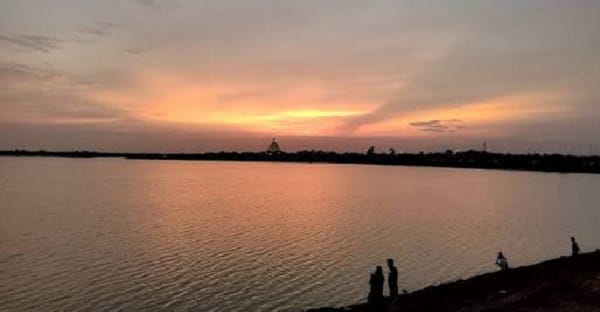
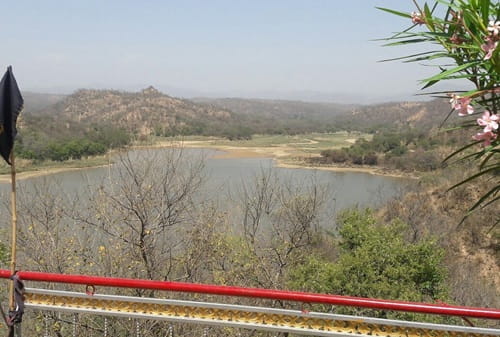
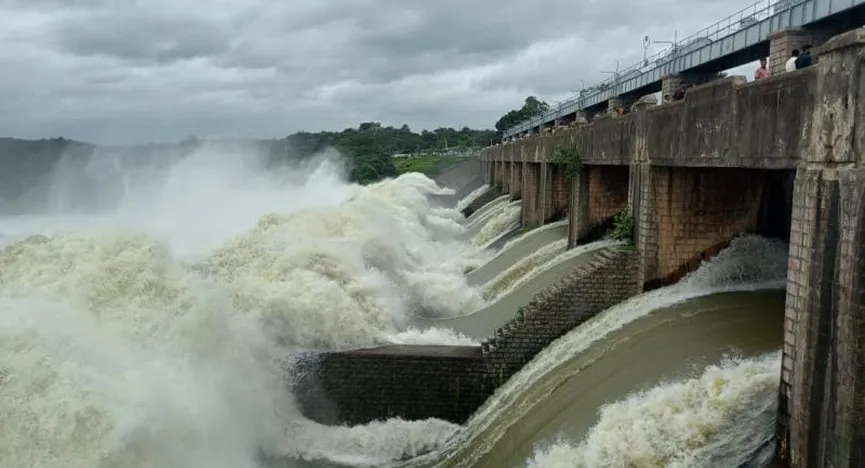
If someone from Tiruvannamalai tells you they’re heading to “the dam” for a Sunday outing, they almost certainly mean Sathanur. This isn’t just a functional irrigation project quietly watering farmland in the background — it’s one of Tamil Nadu’s most film-famous locations, complete with a crocodile farm, themed gardens, and enough old-world charm that Tamil cinema used it as a backdrop for decades. Whether you’re planning a Tiruvannamalai temple trip and want to add something different, or you’re simply curious about the dam that shows up in old Tamil movies, here’s everything you need to know.
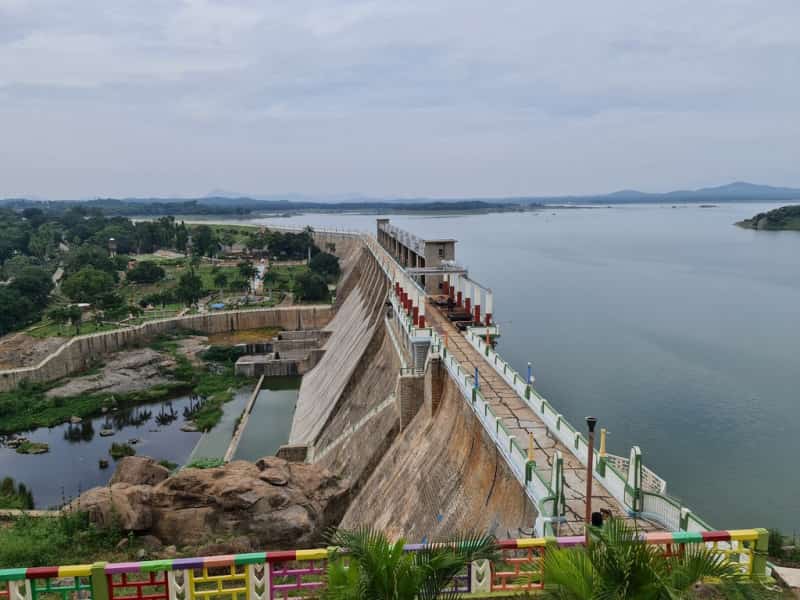
Sathanur Dam Quick Overview
| Detail | Information |
| River | Thenpennai (Pennaiyar) River |
| Location | Sathanur, Thandarampet Taluk, Tiruvannamalai district, Tamil Nadu |
| Distance from Tiruvannamalai | Around 30–33 km |
| Nearest Railway Station | Tiruvannamalai Railway Station |
| Nearest Airport | Chennai International Airport, around 180–200 km |
| Dam Type | Gravity dam, made of stonework and concrete |
| Construction Started | 1953 |
| Completed | 1958 |
| Inaugurated By | K. Kamaraj, then Chief Minister of Tamil Nadu |
| Reservoir Name | Sathanur Reservoir |
| Reservoir Capacity | Around 229–300 million cubic metres |
| Full Capacity Depth | 119 feet |
| Irrigation Coverage | Over 45,000 acres in Tiruvannamalai and surrounding areas |
| Visiting Hours | Generally 10:00 AM to 5:00 PM |
| Entry Fee | Around ₹5 per person (some sources note free entry, with charges for specific attractions) |
| Best Time to Visit | October to February |
Where Sathanur Dam Is Located
Sathanur Dam sits about 30 to 33 kilometres from Tiruvannamalai town, in Thandarampet Taluk, nestled among the Chennakesava Hills. It’s a fairly easy addition to any Tiruvannamalai itinerary, particularly if you’re already visiting the famous Arunachaleshwar Temple and want a nature-focused change of pace afterward.
Getting here typically involves a drive via Polur Road from Tiruvannamalai city, with state-run SETC buses and private operators running regularly between the two points. Sathanur village serves as the closest bus stop, from where the dam is a short auto-rickshaw ride or walk away. If you’re travelling from further afield, Chennai International Airport is your nearest major air link at around 180 to 200 kilometres, while Tiruvannamalai Railway Station connects well with Chennai, Bengaluru, and Tirupati.
The River Behind This Irrigation Project
Sathanur Dam is built across the Thenpennai River, also widely known as the Pennaiyar River, which originates in the Chennakesava Hills before flowing through the region. This river has historically played a crucial role in supporting agriculture across Tiruvannamalai district, and the dam’s construction was specifically designed to harness and regulate that flow for maximum benefit to local farmland.
The reservoir formed by the dam, known as the Sathanur Reservoir, holds a substantial capacity, reaching depths of up to 119 feet when full, making it one of the more significant water bodies in this part of Tamil Nadu.
A History Tied to India’s Early Development Plans
Sathanur Dam’s story begins with India’s First Five Year Plan, which included a proposal specifically aimed at boosting agricultural output in the Tiruvannamalai region. Construction started in 1953 and wrapped up in 1958, timing that placed its completion right around the transition into India’s Second Five Year Plan.
The project was one of the flagship irrigation initiatives championed by K. Kamaraj, the then Chief Minister of Tamil Nadu, who also personally inaugurated the dam once it was completed. It fell under the Command Area Development Authority, commonly known as the CADA scheme, and ended up costing over ₹35 million, considerably more than the original estimate of ₹22 million.
What’s genuinely impressive about the engineering here is the dam’s foundation, built on solid rock with extremely high bearing strength, allowing each section of the structure to remain stable despite the constant horizontal pressure of river water pushing against it.
What Makes Sathanur More Than Just a Dam
Beyond its irrigation role, Sathanur Dam has developed into a genuinely well-rounded recreational destination. The surrounding gardens, maintained under the CADA scheme, feature miniature forts, castles, and statues representing various world themes, giving the site a distinctly whimsical character that’s unusual for a working irrigation dam.
The crocodile farm remains one of the biggest draws here, housing several hundred crocodiles, predominantly muggers, in a protected environment that doubles as an educational stop for visitors curious about reptile conservation. A children’s park, a small zoo, and a swimming pool round out the family-friendly offerings, making this a genuinely complete day-trip destination rather than just a scenic viewpoint.
Interestingly, the dam’s gardens have also served as a filming location for the Tamil film industry, particularly popular during the 1950s and 60s, which explains why older Tamil movie buffs sometimes recognise the landscape here before they even know its name.
Timings and Entry Fees
Most sources place general visiting hours between 10:00 AM and 5:00 PM, though a few describe access as running from early morning to late afternoon without a strict cutoff. Entry fees vary slightly depending on the source, with some citing a nominal ₹5 per person, while others describe entry to the main dam area as free, with charges applying only to specific attractions like the swimming pool or boating.
Given this inconsistency, it’s worth checking current rates locally when you arrive, since these small entry fees are unlikely to be a major factor in your trip planning either way.
Practical Tips Before You Visit
Food options directly at the dam are limited, so carrying your own snacks and water is a genuinely good idea rather than relying on what’s available on-site. If you’re planning to visit the crocodile farm, it’s worth being mindful of your surroundings given its close proximity to the general dam area.
Most visitors comfortably spend two to three hours exploring the dam, gardens, and crocodile farm together, making it a manageable half-day addition to a broader Tiruvannamalai trip rather than requiring a full day on its own.
Best Time to Visit
October through February remains the ideal window, bringing cooler, more comfortable weather that makes walking through the gardens and exploring the dam area genuinely enjoyable. The site is also particularly striking during monsoon season, when the Thenpennai River runs high and clear, though this timing works better for scenic viewing than for extended outdoor activities given the weather conditions.
Frequently Asked Questions
Q1. Is Sathanur Dam suitable for a family day trip with children?
Yes, genuinely well suited. Beyond the dam itself, there’s a children’s park, a small zoo, and a swimming pool, making it easy to plan a day that keeps kids entertained alongside the more scenic and historical elements of the visit.
Q2. Can visitors get close to the crocodiles at the farm?
Visitors can observe the crocodiles from designated viewing areas within the farm, but it’s a protected environment for conservation purposes, so direct contact isn’t part of the experience. It’s best to follow all posted guidelines while exploring this section.
Q3. Is there an entry fee to visit Sathanur Dam?
This varies by source, some cite a nominal fee of around ₹5, while others describe general entry as free, with charges applying only to specific attractions like the swimming pool or boating. It’s worth confirming current rates on arrival.
Q4. Why does Sathanur Dam appear in old Tamil films?
The dam’s landscaped gardens, miniature architectural themes, and scenic reservoir views made it a popular filming location for the Tamil film industry, particularly during the 1950s and 60s, which is why the site holds a certain nostalgic appeal for longtime Tamil cinema audiences.