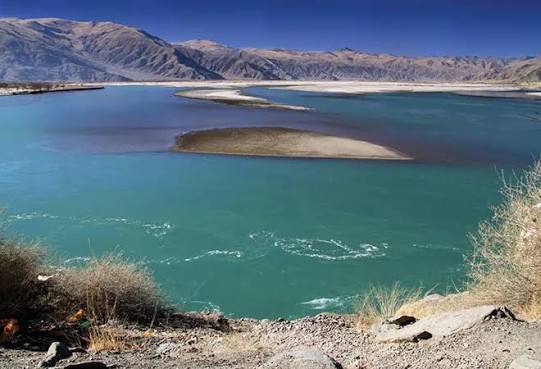
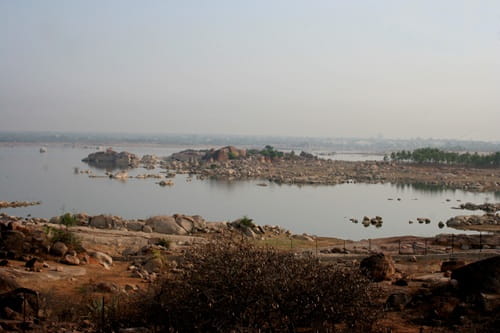
If Kallanai Dam is where ancient Tamil engineering first tamed the Cauvery, Mukkombu is where the British picked up that same thread nearly 1,700 years later. This is the spot where the river literally splits into two, creating the island of Srirangam and shaping the entire delta geography of the Cauvery Delta region. For anyone visiting Trichy, Mukkombu offers something genuinely rare — a working piece of colonial-era water engineering that’s also become one of the city’s favourite family picnic spots. Here’s everything worth knowing before you go.

Quick Overview
| Detail | Information |
| Also Known As | Upper Anaicut |
| River | Cauvery River, where it branches into the Kollidam River |
| Location | Near Jeeyapuram, Tiruchirappalli district, Tamil Nadu |
| Distance from Trichy | Around 18–25 km |
| Built By | Sir Arthur Cotton, British irrigation engineer |
| Construction Period | 1836 to 1838 |
| Inspired By | Kallanai Dam (Grand Anicut), built by Karikala Chola in the 2nd century |
| Dam Length | About 685 metres |
| Meaning of “Mukkombu” | “Three branches” in Tamil |
| Purpose | Regulating and dividing Cauvery water into the Cauvery and Kollidam rivers |
| Notable Event | 9 of 45 shutters washed away in August 2018 due to heavy flooding |
| Entry Fee | Around ₹10 per person |
| Best Time to Visit | January to April and October to December |
Where Mukkombu Dam Is Located
Mukkombu sits roughly 18 to 25 kilometres from Tiruchirappalli, depending on the exact route, close to Jeeyapuram village along the Trichy-Karur road. It’s positioned at a genuinely significant geographical point — the exact spot where the Cauvery River divides into two separate channels, one continuing as the Cauvery and the other branching off as the Kollidam (also called Coleroon).
Getting here is straightforward from Trichy, with buses running toward Karur that stop near Elamanur, from where it’s a short walk to the dam. Trains are also a genuinely pleasant option, with a handful of daily passenger services connecting Trichy to Karur via Elamanur station, offering a more relaxed journey than the road route.
The River Behind This Historic Division
Mukkombu is built across the Cauvery River, right at the point where it splits to form the Kollidam River as a separate channel. This division isn’t just a geographical curiosity — it’s the very reason the fertile island of Srirangam exists, enclosed as it is between the two branches within the broader Thanjavur delta, often called the granary of Tamil Nadu.
The name “Mukkombu” itself translates to “three branches” in Tamil, referencing how the river’s flow divides at this exact location, a detail that captures the site’s core engineering purpose in a single word.
A History Inspired by Ancient Tamil Engineering
Construction on Mukkombu, officially known as the Upper Anaicut, ran from 1836 to 1838 under the direction of Sir Arthur Cotton, a British irrigation engineer whose name comes up repeatedly across South India’s colonial-era water infrastructure. What’s genuinely fascinating is Cotton’s own inspiration for this project — he was reportedly struck by the architectural brilliance of Kallanai Dam, the Grand Anicut built by Chola king Karikala nearly 1,700 years earlier, and set out to build something that would extend and complement that ancient system.
The purpose here was to regulate how much of the Cauvery’s flow continued toward the main river versus how much diverted into the Kollidam, managing excess water during monsoon to prevent flooding while ensuring reliable irrigation supply downstream. In many ways, Mukkombu represents a direct continuation of the water management philosophy first established by Karikala Chola, just executed with 19th-century engineering techniques rather than ancient stone construction.
What Makes This Dam Genuinely Significant
Beyond its historical lineage, Mukkombu has played a transformative role in shaping agricultural productivity across the Tiruchirappalli and Thanjavur regions. The regulated water flow through its canal network has supported extensive paddy cultivation, reinforcing this area’s reputation as the rice bowl of Tamil Nadu, and enabled farmers to practice multiple cropping cycles annually rather than depending entirely on unpredictable monsoon patterns.
The dam also functions as a critical flood control mechanism, helping manage water flow during monsoon season to protect densely populated areas along both the Cauvery and Kollidam from excessive flooding. It’s worth noting honestly that this system isn’t without its vulnerabilities — in August 2018, 9 of the dam’s 45 shutters were washed away due to an unusually heavy water flow combined with weakened supporting piers, an incident that required repair work and highlighted the ongoing maintenance challenges that come with operating century-old infrastructure.
What There Is to See and Do at Mukkombu
Mukkombu has developed into a genuinely well-rounded family destination over the decades. Well-maintained gardens and green lawns surround the dam, offering pleasant walking paths and picnic spots that draw steady crowds throughout the year, particularly on weekends. A small train ride and various joy rides cater specifically to children, alongside dedicated play areas that make this a solid choice for family outings.
Fishing remains a genuine local activity here, with fishermen working the waters around the dam and often selling their catch fresh on the spot, giving visitors the option to pick up fish for a same-day meal. Boating is also available for those wanting to explore the calmer stretches of water near the dam. If your visit coincides with the flow monitoring stations at either end of the dam, it’s worth taking a moment to observe the shutters and water-level scales that engineers still use to manage the river’s division in real time, a small but genuinely interesting glimpse into how this centuries-old water management system continues functioning today.
A Few Honest Practical Notes
Visitor feedback on Mukkombu is genuinely mixed when it comes to maintenance, with some describing the park and dam as well-kept, while others have noted litter and inconsistent upkeep, particularly around the monkey population that frequents the area and has been known to snatch food from visitors. It’s worth keeping a close eye on any snacks or bags you’re carrying.
Safety near the water deserves serious attention too. Several visitor accounts specifically warn about quicksand-like conditions near parts of the riverbed, and entering the water directly is genuinely discouraged given the currents and unpredictable depth in certain areas. Sticking to designated viewing areas and the dam’s walkways is the safer approach.
Timings and Entry Details
Entry to Mukkombu typically costs around ₹10 per person, based on visitor accounts, though official sources suggest confirming current rates and hours directly given some inconsistency in published information. Most visitors report the site being accessible throughout the day, though it’s worth calling ahead or checking with the district tourism office if you’re planning your trip around specific timing.
Best Time to Plan Your Visit
January through April and October through December are generally recommended for the most comfortable weather and the best chance of seeing the river with a healthy water flow. Visiting during monsoon, when the Cauvery is running full, is particularly rewarding for the scenic value, though it’s exactly this period when caution around water levels and currents matters most.
Frequently Asked Questions
Q1. What does “Mukkombu” actually mean, and why is the dam called that?
A. It translates to “three branches” in Tamil, referencing how the Cauvery River’s flow divides at this exact location into separate channels, a naming choice that directly reflects the dam’s core function as a water regulator.
Q2. Is it safe to enter the water near Mukkombu Dam?
A. No, several visitor accounts specifically warn against this due to quicksand-like conditions and unpredictable currents in parts of the riverbed. It’s best to enjoy the water from designated viewing areas and walkways rather than entering directly.
Q3. Can I combine a Mukkombu visit with other Trichy attractions in one day?
A. Yes, easily. Srirangam’s Sri Ranganathaswamy Temple, Rock Fort Temple, and Kallanai Dam are all within reasonable driving distance, making it simple to build a fuller day of sightseeing around a Mukkombu stop.
Q4. What happened during the 2018 incident at Mukkombu?
A. Heavy water flow combined with weakened piers caused 9 of the dam’s 45 shutters to wash away in August 2018. Repair and reconstruction work followed, and the site has since reopened to visitors, though it’s a reminder of the maintenance demands facing century-old water infrastructure like this.