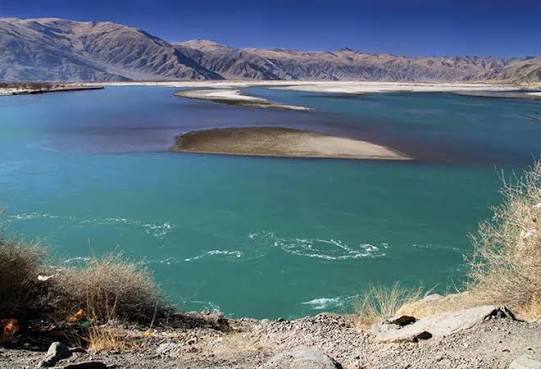
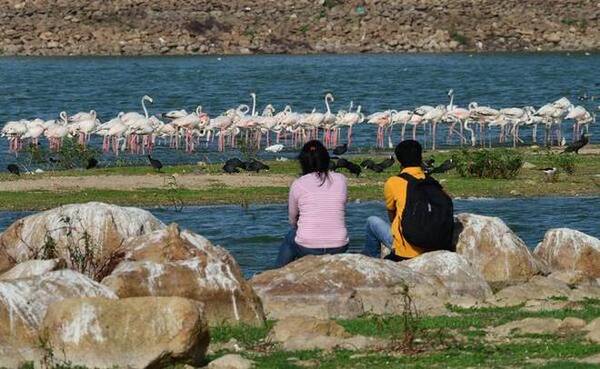
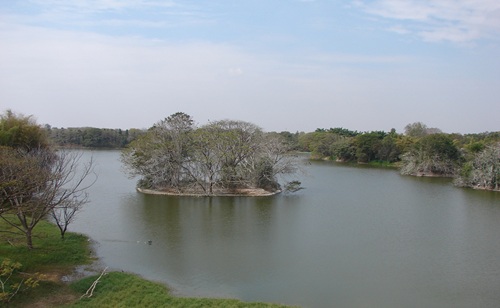
Nehru once stood at this exact spot and promised the crowd he’d turn it into India’s Switzerland. Decades later, Rihand Dam has genuinely lived up to at least part of that vision — not with snow-capped peaks, but by transforming a forgotten agrarian pocket of Uttar Pradesh into what’s now called the Energy Capital of India. If you’re travelling through Sonbhadra, or simply curious about the dam behind India’s largest man-made lake, here’s the complete story worth knowing.
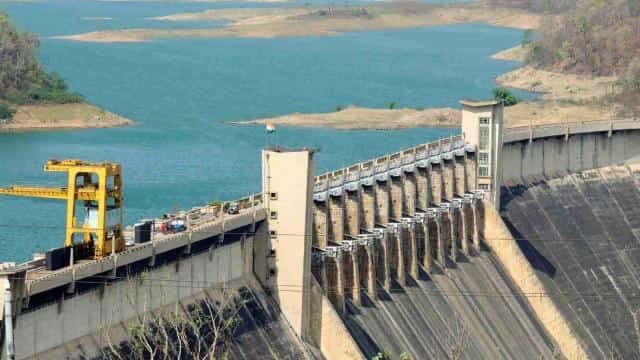
Rihand Dam, Sonbhadra Quick Overview
| Detail | Information |
| Also Known As | Govind Ballabh Pant Sagar |
| River | Rihand River, a tributary of the Son River |
| Location | Pipri, Sonbhadra district, Uttar Pradesh |
| Distance from Renukoot | Around 8 km |
| Nearest Railway Station | Renukoot, about 8 km away |
| Nearest Airport | Varanasi (Lal Bahadur Shastri International Airport), around 180 km |
| Project Approved | 1952 |
| Construction Started | 1954 |
| Completed | 1962 |
| Dam Type | Concrete gravity dam |
| Dam Height | Around 91.4–91.5 metres |
| Dam Length | About 934 metres |
| Reservoir Status | India’s largest man-made lake by surface area |
| Storage Rank | Second-largest dam in India by volume, after Indira Sagar |
| Power Generation | 300 MW |
| Population Displaced | Nearly 100,000 people |
| Best Time to Visit | October to March |
Where Rihand Dam Is Located
Rihand Dam sits at Pipri, along the Renukut-Shaktinagar road in Sonbhadra district, Uttar Pradesh. It’s just about 8 kilometres from Renukoot town, and its reservoir stretches far enough to touch the border areas of Madhya Pradesh and Chhattisgarh, genuinely spanning across three states in terms of catchment.
Getting here typically means routing through Varanasi, the nearest major airport at roughly 180 kilometres away, or via Prayagraj at around 230 kilometres. Renukoot Railway Station, just 8 kilometres from the dam, offers the most convenient rail connection, with regular services linking Delhi, Lucknow, and Varanasi.
The River Behind India’s Largest Artificial Lake
The dam is built across the Rihand River, itself a tributary of the Son River, one of the major rivers flowing through central and eastern India. The Rihand originates in the highlands of Surguja district in Chhattisgarh before flowing north to eventually merge with the Son within Sonbhadra district.
What this dam created downstream is genuinely remarkable in scale — Govind Ballabh Pant Sagar, the reservoir formed here, is recognised as India’s largest man-made lake by surface area, spanning a catchment that extends across Uttar Pradesh, Madhya Pradesh, and Chhattisgarh simultaneously.
A History Rooted in Post-Independence Ambition
The idea of damming the Rihand actually predates independence, with British authorities considering the project back in the 1940s for its irrigation and power potential. It wasn’t until after 1947, though, that the plan gained real momentum, with the Government of India formally approving the project in 1952. Construction began in 1954 and continued for eight years, finally completing in 1962.
This timeline places Rihand squarely within Nehru’s broader dam-building campaign, part of his vision to make India self-reliant in food production and industrial capacity. At the dam’s inauguration in Singrauli, Nehru reportedly pledged to turn the surrounding area into India’s Switzerland, a comparison that speaks more to his ambition for the region’s transformation than to any literal resemblance to the Alps.
Before the dam existed, Renukoot was a small, primarily agrarian settlement, lacking basic infrastructure like proper roads and electricity, despite sitting on genuinely rich natural resources including coal and dense forests of sal, bamboo, and khair trees. The dam’s construction became the catalyst that transformed this quiet region into what’s now recognised as Sonbhadra’s identity — the Energy Capital of India.
The Real Cost Behind This Transformation
It’s worth being honest about the human side of this story rather than only celebrating the engineering achievement. Building Rihand Dam displaced nearly 100,000 people, with entire villages submerged beneath what became the reservoir. While the project brought electricity, industrial growth, and employment to the region, it also raised serious, lasting questions about rehabilitation, fair compensation, and the loss of livelihoods for communities forced to relocate and rebuild their lives elsewhere.
There’s also an ongoing environmental concern worth understanding. Several major thermal power stations, including Singrauli, Vindhyachal, Rihand, Anpara, and Sasan, now operate within the dam’s catchment area. High-alkalinity runoff from these plants’ ash dumps, some located directly within the reservoir area, has raised the water’s alkalinity over time. Using this high-alkalinity water for irrigation has reportedly converted some agricultural fields into fallow, alkali-affected soil, a genuine trade-off that’s come alongside the region’s industrial growth.
What Rihand Dam Powers Today
The dam’s hydroelectric station generates around 300 MW of electricity, managed by the Uttar Pradesh Hydroelectricity Corporation. But its broader significance extends well beyond its own output. The Singrauli-Sonbhadra region built around this dam now hosts multiple super thermal power stations, cement factories, and one of Hindalco’s largest aluminium plants, established by the Birla Group in Renukoot. Together, these industries have made this pocket of Uttar Pradesh a genuinely significant contributor to India’s overall power and industrial capacity.
What There Is to See and Do
Beyond its industrial role, Rihand Dam and its surrounding reservoir offer a genuinely scenic escape, with the vast expanse of Govind Ballabh Pant Sagar framed by greenery, making it a rewarding spot for photography and quiet nature walks. The sheer scale of the lake, often described locally as resembling a sea rather than a typical reservoir, tends to surprise first-time visitors.
Sonbhadra itself is increasingly marketed as offering more than just the dam, with nearby attractions including ancient temples, waterfalls, tribal culture, and even Asia’s oldest fossils park adding depth to a visit if you’re planning to explore beyond the dam site itself.
Timings and Practical Details
Most sources don’t specify a strict, formally enforced visiting-hours system for Rihand Dam, with general sightseeing typically possible during daylight hours. Given the dam’s status as significant national infrastructure surrounded by thermal power stations, it’s sensible to expect some security presence and to follow any posted guidelines regarding restricted areas near the dam structure itself.
Accommodation options near the dam range from budget hotels like Hotel Rihand Plaza in Renukoot to properties like Hotel Rihand View, which specifically markets itself around lake-facing views, giving visitors a reasonable range of choices depending on budget and preference.
Best Time to Plan Your Visit
October through March offers the most comfortable weather for exploring the dam and surrounding Sonbhadra region, avoiding both the intense summer heat and monsoon-related travel disruptions common to this part of Uttar Pradesh. Cooler temperatures during this window make walking around the reservoir and visiting nearby attractions considerably more pleasant.
Frequently Asked Questions
Q1. Why is Rihand Dam sometimes linked to Nehru’s “India’s Switzerland” comment?
At the dam’s inauguration in Singrauli, Nehru reportedly expressed his vision of transforming the region through this project, comparing his ambitions for its development to Switzerland. It reflects his broader hope for the area’s transformation rather than any literal geographic resemblance.
Q2. Is the water in Govind Ballabh Pant Sagar safe for irrigation given the nearby thermal plants?
This has been a genuine environmental concern, with high-alkalinity runoff from nearby thermal power stations’ ash dumps affecting reservoir water quality in some areas, reportedly converting certain irrigated fields into alkali-affected soil over time. It’s a documented issue rather than a settled, resolved matter.
Q3. How many people were affected by the dam’s construction?
Nearly 100,000 people were displaced when villages were submerged to create the reservoir, a significant human cost that accompanied the region’s subsequent industrial transformation.
Q4. What makes Sonbhadra worth visiting beyond just the dam?
The district is increasingly promoted for its ancient temples, waterfalls, tribal cultural heritage, and Asia’s oldest fossils park, making it possible to build a fuller multi-day itinerary around a Rihand Dam visit rather than treating it as a standalone stop.