A crowded wardrobe, 50 unread WhatsApp messages, multiple shopping apps sending notifications, an overflowing work desk and a weekend packed with commitments may seem like unrelated problems. Yet together, they can create a feeling that your attention is constantly being pulled in different directions. For many people living busy urban lives in India, mental overload is not always caused by one major issue—it can also build through hundreds of small decisions and distractions.
This is where a minimalist lifestyle can be useful. Minimalism is not about living in an empty white room, throwing away everything you own or refusing to spend money. At its most practical, it means intentionally keeping what is useful, meaningful or necessary while reducing things and commitments that create avoidable clutter.
Applied sensibly, minimalist choices can simplify your surroundings, digital habits, spending and schedule. The result may be fewer distractions and decisions competing for your attention, creating more room to focus on what actually matters.
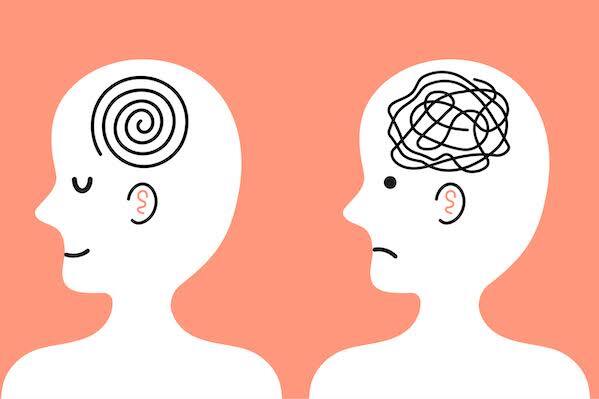
Minimalism Reduces Visual Clutter
Look around the room where you spend most of your time.
If every surface contains papers, clothes, boxes, chargers, unused products and miscellaneous objects, your environment can continually compete for your attention.
You may repeatedly think:
- “I need to organise that.”
- “Where should I put this?”
- “I should clean that later.”
- “Why can’t I find what I need?”
Reducing unnecessary belongings can make a space easier to navigate and maintain.
You do not need an Instagram-style minimalist home. Start with high-use areas such as your bedside table, work desk or kitchen counter.
A calmer physical environment can make it easier to concentrate on the task in front of you.
Fewer Choices Can Simplify Daily Decisions
Decision-making begins almost immediately after waking up.
What should you wear? What should you eat? Which task should you start? Which notification deserves attention?
Each individual decision may seem insignificant, but a complicated routine can create unnecessary mental friction.
Minimalism can reduce some low-value choices.
For example, a practical wardrobe containing clothes you actually wear can make getting ready easier than searching through dozens of forgotten items.
The same principle can be applied to:
- Meals
- Work routines
- Personal care products
- Shopping
- Exercise
- Household organisation
The goal is not to eliminate choice. It is to reduce choices that provide little real value.
A Minimalist Workspace Can Improve Focus
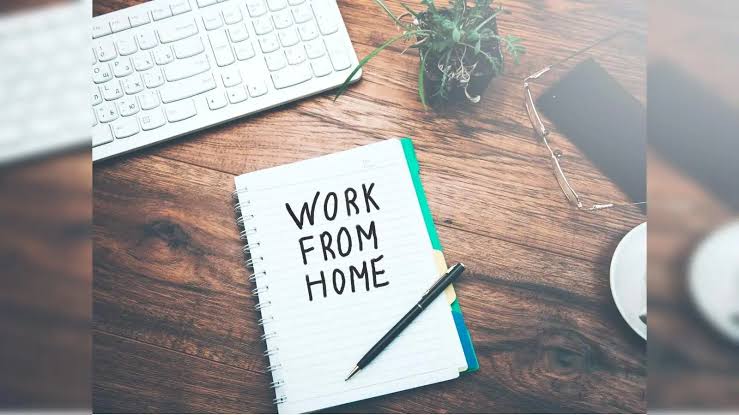
Many Indians now work partly or completely from home, making the boundary between personal and professional space less clear.
A cluttered desk can become a storage area for bills, chargers, cups, notebooks and unrelated household items.
Before starting work, spend a few minutes resetting the space.
Keep only what you regularly need, such as:
- Laptop or computer
- Essential charger
- Notebook
- Pen
- Water bottle
- Necessary work equipment
Move unrelated objects elsewhere.
This simple habit creates a clear visual signal: this is a space for focused work.
Digital workspace matters too. An overloaded desktop, dozens of browser tabs and constant messaging notifications can create their own form of clutter.
Digital Minimalism Is Increasingly Important
Physical possessions are no longer the only source of overload.
A smartphone can place news, shopping, entertainment, office messages, social media and advertisements in front of you from the moment you wake up.
Digital minimalism means deciding which technologies deserve access to your attention.
Practical steps include:
- Disable non-essential notifications.
- Uninstall apps you rarely use.
- Unsubscribe from unnecessary promotional emails.
- Leave irrelevant messaging groups where appropriate.
- Organise important files into simple folders.
- Avoid keeping dozens of unnecessary browser tabs open.
- Create periods when social media is not checked.
You do not need to delete every social platform.
The aim is to use technology intentionally instead of responding automatically every time your phone demands attention.
Minimalism Can Reduce Impulse Shopping
Online shopping has made buying extremely convenient in India.
Flash sales, limited-time discounts, free delivery and personalised recommendations can encourage purchases that were never originally planned.
Minimalism introduces a useful question:
Do I actually need this, and will I use it regularly?
Before purchasing a non-essential item, consider:
- Do I already own something that serves the same purpose?
- Where will I store it?
- How often will I realistically use it?
- Would I still want it without the discount?
- Am I buying because I need it or because I am bored?
Intentional purchasing can reduce clutter while also supporting better financial habits.
A ₹1,000 item bought unnecessarily is not automatically a saving simply because its original price was ₹2,000.
A Simpler Schedule Creates Mental Space
Minimalism can also apply to time.
Some people declutter their homes while continuing to maintain an exhausting calendar.
Work, family responsibilities, social events, errands, exercise and digital communication can fill every available hour.
Not every commitment can or should be removed, particularly in Indian households where family responsibilities can be significant.
But it is still useful to distinguish between:
- Essential responsibilities
- Meaningful activities
- Optional commitments
- Habits maintained only because of social pressure
Leaving some unscheduled time can provide room for rest, family, hobbies or simply dealing with unexpected tasks without panic.
A minimalist calendar is not an empty calendar. It is a more intentional one.
Fewer Goals Can Produce Better Focus
Having ten major goals at the same time can feel ambitious but may divide attention so widely that little meaningful progress occurs.
Minimalist goal-setting involves identifying a smaller number of priorities.
For example, instead of simultaneously trying to:
- Change jobs
- Start a business
- Learn three new skills
- Transform your fitness
- Read 50 books
- Build a social-media account
you might select one or two priorities for the next few months.
Other ambitions do not have to disappear permanently.
They can simply wait.
Reducing active priorities can allow more consistent attention to the goals that matter most right now.
Minimalism Can Make Household Maintenance Easier
Everything you own requires something from you.
Possessions may need to be:
- Stored
- Cleaned
- Organised
- Repaired
- Charged
- Updated
- Insured
- Replaced
Owning fewer unnecessary items can therefore reduce the amount of household administration required.
This is particularly useful in compact Indian apartments where storage space is limited.
Instead of constantly purchasing organisers to manage excess belongings, it can be more effective to first ask whether everything being organised needs to remain.
Minimalism Does Not Mean Throwing Everything Away
Extreme decluttering is not necessary and can sometimes create waste.
A sensible minimalist approach is gradual.
When reviewing belongings, divide them mentally into categories:
- Regularly used
- Occasionally useful
- Emotionally meaningful
- Repairable or reusable
- Suitable for donation or sale
- Genuine waste
Avoid throwing away functional items simply to achieve a particular aesthetic.
Indian households often preserve objects because they have practical future value or family significance. Minimalism does not require abandoning those priorities.
The question is whether possessions are serving a purpose rather than simply accumulating without thought.
Social Minimalism Can Protect Your Attention
Minimalism can extend to social relationships, but it should not be misunderstood as isolating yourself.
Healthy relationships are important.
Social minimalism is more about being intentional with your time and attention instead of feeling obligated to maintain every connection at the same intensity.
This may mean:
- Spending more quality time with close family and friends
- Reducing unnecessary social-media comparison
- Setting boundaries around work communication
- Avoiding commitments you cannot realistically maintain
- Being fully present during important conversations
Quality of connection often matters more than the number of contacts on a phone.
Start Small Instead of Redesigning Your Entire Life
Trying to become “minimalist” overnight can itself become stressful.
Choose one small area.
For example:
Week 1: Your Desk
Remove objects that do not belong there.
Week 2: Your Phone
Disable unnecessary notifications and remove unused apps.
Week 3: Your Wardrobe
Identify clothing you regularly use and review items that have remained untouched for a long time.
Week 4: Your Schedule
Identify one unnecessary recurring commitment or time-consuming habit.
Small improvements are easier to maintain than an extreme weekend decluttering session followed by a return to old habits.
Minimalism Should Create Freedom, Not Another Set of Rules
There is no correct number of clothes, books, utensils or apps that makes someone a minimalist.
A family of five will naturally own more than someone living alone. A professional photographer needs equipment that another person does not. A joint family may need household items that would seem excessive in a studio apartment.
The useful principle is intentionality.
Keep what supports your responsibilities, interests, relationships and quality of life. Reduce what repeatedly consumes space, money, time or attention without providing meaningful value.
Mental clarity does not come from owning the fewest possessions. It can come from reducing unnecessary competition for your attention so that the important parts of life become easier to see.
FAQs
1. Do I need to throw away most of my belongings to become minimalist?
No. Minimalism does not require extreme decluttering. Start by removing genuine waste and reviewing items you no longer use. Functional belongings can be retained, donated, sold or repurposed depending on their condition and usefulness.
2. How can I practise minimalism while living with a joint family?
Focus first on areas you personally control, such as your wardrobe, phone, desk and schedule. Shared household possessions should be discussed with family members rather than discarded simply because one person wants a minimalist space.
3. Can digital clutter really affect concentration?
Frequent notifications, messages, browser tabs and constant switching between apps can interrupt focused attention. Reducing unnecessary digital interruptions can make it easier to spend uninterrupted time on work, study or other priorities.
4. What is the easiest minimalist habit to start today?
Turn off non-essential phone notifications and clear one frequently used surface, such as your work desk or bedside table. Both actions take relatively little time and immediately reduce sources of unnecessary distraction.