Walk through a modern Indian supermarket and you may find organic atta beside regular atta, organic jaggery next to packaged sweets, and products carrying words such as “natural,” “healthy,” “whole” or “minimally processed.” With so many labels competing for attention, it is easy to assume that organic food is always fresh and natural while processed food is automatically unhealthy.
The reality is more nuanced. Organic and processed describe two different characteristics of food. Organic primarily refers to how agricultural products are grown, raised and handled according to specified standards. Processing refers to what happens to food after its original form has been changed through activities such as cleaning, grinding, pasteurising, freezing, cooking, fermenting or adding ingredients.
This means food can actually be both organic and processed. Organic wheat converted into packaged organic atta is processed. Organic milk that has been pasteurised is processed too.
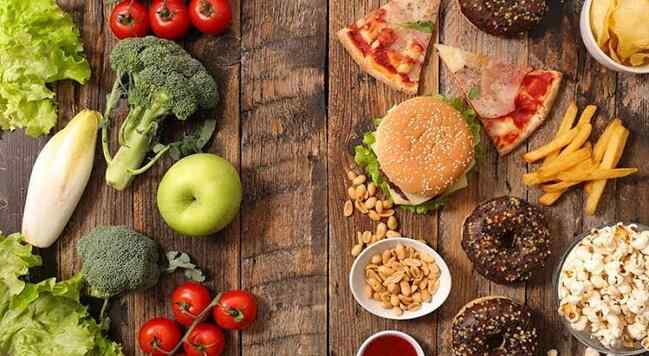
For Indian consumers trying to make healthier food choices, understanding this distinction is far more useful than simply dividing supermarket products into “good” organic foods and “bad” processed foods.
Organic vs Processed Food: Quick Comparison
| Factor | Organic Food | Processed Food |
|---|---|---|
| What the Term Mainly Describes | Production method | Degree/type of transformation |
| Can Be Fresh? | Yes | Sometimes |
| Can Be Packaged? | Yes | Frequently |
| Can Contain Sugar, Salt or Fat? | Yes | Yes |
| Automatically Healthier? | No | No |
| Requires Certification to Be Sold as Organic? | Standards apply to certified organic claims | Processing itself is not a certification category |
| Examples | Certified organic vegetables, grains, pulses | Atta, curd, frozen peas, bread, biscuits |
| Can Be Both Organic and Processed? | Yes | Yes |
What Does Organic Food Actually Mean?
Organic food is produced according to defined agricultural and production standards.
In general, organic farming systems place restrictions on the use of certain synthetic pesticides and fertilisers and follow specified approaches to crop production, soil management and other agricultural practices.
For consumers, however, the important word is certification.
A vegetable seller saying something is “natural” is not necessarily making the same claim as a product carrying recognised organic certification.
Organic foods available in India can include:
- Fruits and vegetables
- Rice and wheat
- Pulses
- Spices
- Tea and coffee
- Milk products
- Packaged foods made from certified organic ingredients
Organic does not mean the food was never touched by machinery, packaged or processed.
That misunderstanding is one of the biggest sources of confusion.
What Is Processed Food?
Technically, processing covers an enormous range of activities that change food from its original state.
Consider wheat.
Wheat grains are harvested, cleaned and milled into flour. Milling is a form of processing.
Milk is pasteurised to improve safety. That is processing.
Curd is created through fermentation. Again, processing.
Other examples include:
- Freezing vegetables
- Roasting peanuts
- Grinding spices
- Canning foods
- Fermenting idli batter
- Making paneer
- Baking bread
- Producing breakfast cereals
Therefore, the statement “processed food is unhealthy” is far too broad.
The more useful question is: How has this particular food been processed, and what does the final product contain?
Not All Processing Is Bad
Processing has been part of human food culture for thousands of years.
Cooking itself is food processing.
Traditional Indian kitchens use numerous processing techniques, including:
- Grinding
- Fermentation
- Drying
- Roasting
- Pickling
- Churning
- Soaking
- Sprouting
Many processing methods serve practical purposes.
They can:
- Improve food safety
- Extend shelf life
- Make food easier to prepare
- Change texture
- Develop flavour
- Improve digestibility of some foods
- Reduce food waste
Pasteurisation is an excellent example. It is processing, but it is performed primarily to make milk safer by reducing harmful microorganisms.
Freezing vegetables is another example. It allows food to remain usable for longer without automatically turning it into an unhealthy product.
Minimally Processed vs Highly Processed Foods
Instead of treating every processed food equally, it helps to think about degree and purpose of processing.
Minimally processed foods
These remain relatively close to their original form.
Examples can include:
- Washed and packaged vegetables
- Frozen peas
- Plain curd
- Roasted unsalted nuts
- Whole-grain atta
- Pasteurised milk
More heavily formulated foods
These may contain several added ingredients to create a particular taste, texture, shelf life or convenience.
Examples can include some:
- Packaged biscuits
- Instant noodles
- Sugary breakfast cereals
- Confectionery
- Sweetened beverages
- Packaged desserts
- Savoury snacks
These products may contain substantial amounts of added sugar, sodium, refined starches or fats, depending on the formulation.
That is why consumers should evaluate the actual nutrition label and ingredient list instead of judging food solely by the word “processed.”
Can Organic Food Be Processed?
Absolutely.
Imagine organic tomatoes converted into packaged organic tomato sauce.
The tomatoes may have been grown according to organic standards, while the final product has still undergone several processing steps.
Similarly:
- Organic wheat can become biscuits.
- Organic milk can become ice cream.
- Organic sugar can be used in confectionery.
- Organic potatoes can become packaged chips.
This leads to an important principle:
Organic does not automatically mean nutritionally superior.
An organic biscuit can still contain substantial sugar and fat.
Organic describes the production system behind qualifying ingredients. It does not erase calories, sugar, sodium or saturated fat from the final product.
Is Organic Food More Nutritious?
Many consumers buy organic food because they believe it contains dramatically more nutrients.
The evidence is not simple enough to support the idea that every organic food is automatically more nutritious than its conventional equivalent.
Nutrient content can be influenced by many factors, including:
- Crop variety
- Soil
- Weather
- Harvest timing
- Storage
- Transportation
- Cooking method
- Freshness
Organic farming can be chosen for reasons related to agricultural practices, environmental preferences or pesticide-use concerns, but the word “organic” should not be treated as a shortcut for judging the complete nutritional quality of a food.
An organically produced sugary dessert is still a sugary dessert.
Does Processed Food Have Less Nutrition?
Sometimes processing can reduce certain nutrients, but the effect depends entirely on the food and method.
Heat, for example, can reduce some heat-sensitive vitamins.
At the same time, cooking can make certain nutrients or beneficial compounds easier for the body to access and can make many foods safer to eat.
Processing can also include fortification, where nutrients are added to foods.
Therefore, “processed equals nutrient-free” is another oversimplification.
The nutritional value of a processed food should be judged by the final product rather than by the fact that processing occurred.
Organic Does Not Mean Pesticide-Free
Another common misunderstanding is that organic farming means absolutely no pesticides are ever used.
Organic standards generally restrict which substances and farming methods can be used, but organic production should not automatically be interpreted as “zero pesticide use.”
Similarly, washing fruits and vegetables remains sensible regardless of whether they are organic or conventionally produced.
Organic certification is about compliance with an established production standard—not a promise that food has never encountered any pest-control substance.
How Indian Consumers Can Identify Organic Food
Consumers should be careful with vague marketing terms.
Words such as:
- Natural
- Farm fresh
- Pure
- Chemical-free
- Traditional
may sound attractive, but they are not necessarily equivalent to a certified organic claim.
When buying packaged organic food in India, look for appropriate recognised certification and labelling information rather than relying solely on decorative green packaging or the word “natural.”
Also inspect the complete product.
An organic packaged snack may genuinely contain certified organic ingredients while still being high in sugar or sodium.
Both facts can be true at the same time.
How to Evaluate Processed Foods Properly
You do not need to eliminate every packaged or processed food from your kitchen.
Instead, become a more informed label reader.
Check:
- Ingredient list: What are the main ingredients?
- Added sugars: Is the product heavily sweetened?
- Sodium: Is it unusually high in salt?
- Fibre: Does a grain product contain meaningful fibre?
- Protein: Is a “high-protein” claim supported by the nutrition information?
- Serving size: Are the numbers based on an unrealistically small portion?
- Fat composition: What types and amounts of fat are present?
Compare similar products per 100 g or 100 ml when possible. This often gives a clearer comparison than relying only on manufacturer-defined serving sizes.
Organic vs Processed: Which Is Better for Health?
There is no meaningful universal winner because the categories overlap.
A healthier everyday diet is better judged by the overall pattern of foods you consume.
For many Indian households, a balanced diet can centre on foods such as:
- Vegetables and fruits
- Pulses and beans
- Whole or less-refined grains
- Nuts and seeds
- Appropriate dairy or alternatives
- Eggs, fish or other protein sources according to dietary preference
Processed foods can still fit into that diet.
Plain curd, atta, frozen vegetables and pasteurised milk are all processed to some degree.
The bigger concern is allowing foods high in added sugars, sodium and less desirable fats to displace nutrient-rich everyday foods.
Price Matters Too
Organic products can be considerably more expensive than conventional alternatives in some Indian markets.
Families should not feel that a healthy diet is impossible without buying everything organic.
If the household budget is limited, prioritising a varied diet rich in vegetables, fruits, pulses and other nutritious staples can be more practical than spending heavily on a small selection of premium organic products.
Likewise, traditional affordable foods such as dal, seasonal vegetables, roasted chana and locally available fruits should not be viewed as nutritionally inferior simply because they do not carry fashionable marketing claims.
A Simple Rule for Smarter Grocery Shopping
When standing in a supermarket aisle, avoid asking only:
“Is this organic or processed?”
Instead, ask:
- What is actually in this food?
- How much sugar, sodium and fat does it contain?
- Is it providing useful protein, fibre or micronutrients?
- How often will I eat it?
- Is the organic claim properly certified?
- Does the higher price offer something I personally value?
This approach helps separate nutritional decisions from marketing.
A food does not become healthy merely because it says “organic,” and it does not become unhealthy merely because it has undergone processing.
FAQs
1. Is organic food always healthier than processed food?
A. No. The two terms describe different things. Organic relates primarily to production standards, while processed describes changes made to food. An organic biscuit can be highly processed, while pasteurised conventional milk is processed but can still be part of a nutritious diet.
2. Should I completely avoid processed foods?
A. No. Many everyday foods undergo useful processing, including milk, curd, atta and frozen vegetables. Instead of avoiding all processing, pay attention to the final product’s ingredients, added sugar, sodium, fat, fibre and overall nutritional value.
3. Does “natural” on a food package mean organic in India?
A. Not necessarily. “Natural” and “organic” should not automatically be treated as interchangeable terms. For packaged foods marketed as organic, consumers should look for appropriate certification and labelling rather than relying on promotional words alone.
4. Is buying organic worth the extra cost?
A. It depends on your priorities, budget and the particular product. Organic food can be a valid choice, but it is not essential to buy everything organic to maintain a nutritious diet. For many families, variety, overall food quality and a balanced dietary pattern should come first.