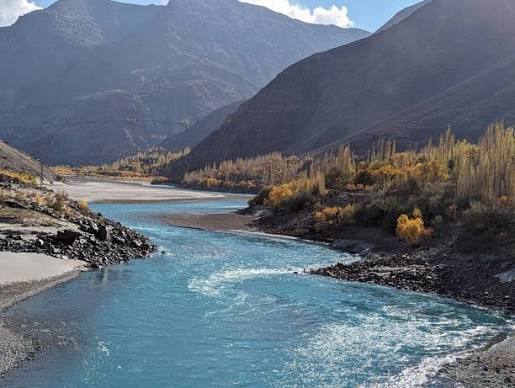
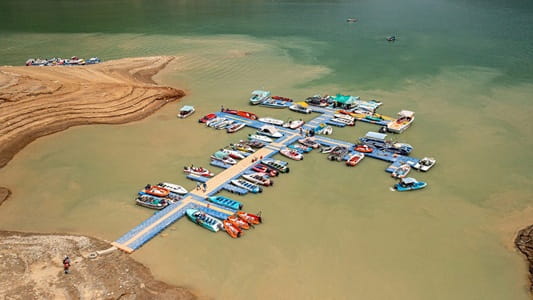
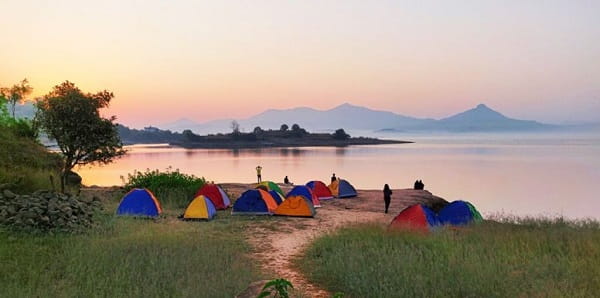
The Chambal River is one of the most fascinating rivers of central and northern India. Known for its deep ravines, relatively rich riverine wildlife and dramatic landscapes, the Chambal travels from the highlands of Madhya Pradesh through Rajasthan and along parts of the Rajasthan–Madhya Pradesh and Rajasthan–Uttar Pradesh boundaries before finally joining the Yamuna. Unlike many rivers passing through heavily urbanised areas, significant stretches of the Chambal retain important natural habitats.
The river originates near Janapav Hills in Madhya Pradesh, part of the Vindhyan highlands, and travels for approximately 1,024 km. It ultimately joins the Yamuna River in Uttar Pradesh, making it part of the much larger Ganga river system. Along its course, the Chambal receives tributaries such as the Kali Sindh, Parbati, Banas and Shipra.
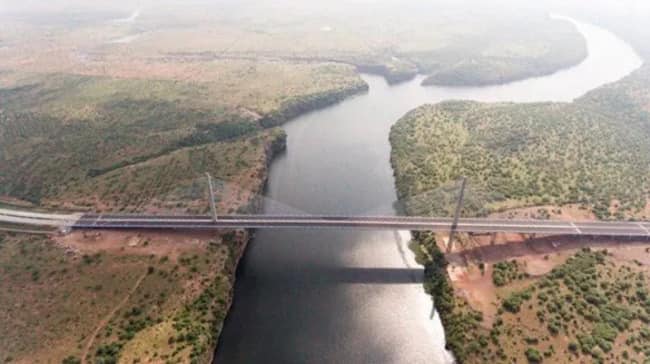
The river is equally important for people. Large projects such as the Gandhi Sagar Dam, Rana Pratap Sagar Dam and Kota Barrage supply irrigation water, generate electricity and support regional development. At the same time, the National Chambal Sanctuary protects species such as the gharial and Gangetic river dolphin, making the river important from both economic and ecological perspectives.
Chambal River Overview
| Particular | Details |
|---|---|
| River Name | Chambal River |
| River System | Ganga River System |
| Direct Tributary Of | Yamuna River |
| Origin | Janapav Hills |
| Origin State | Madhya Pradesh |
| Approximate Length | 1,024 km |
| Main States Along Course | Madhya Pradesh, Rajasthan and Uttar Pradesh |
| Major Tributaries | Banas, Kali Sindh, Parbati, Shipra and Mej |
| Major Dams | Gandhi Sagar, Rana Pratap Sagar, Jawahar Sagar |
| Important Barrage | Kota Barrage |
| Famous Landscape | Chambal Ravines |
| Important Protected Area | National Chambal Sanctuary |
| Final Confluence | Yamuna River |
| Confluence Region | Near Pachnada, Uttar Pradesh |
Where Does the Chambal River Originate?
The Chambal River originates near the Janapav Hills in Madhya Pradesh, southwest of Indore and near the Mhow region.
Its source lies in the Vindhyan highlands at an elevation of roughly 850 metres above sea level. From here, the river initially flows northwards through Madhya Pradesh before turning towards Rajasthan.
As it continues, the Chambal cuts through rocky terrain and develops the distinctive ravines for which its lower basin is famous.
Important facts about the Chambal’s origin include:
- It originates near Janapav Hills.
- The source is located in Madhya Pradesh.
- It forms part of the Yamuna-Ganga drainage system.
- The river generally travels towards the north and northeast.
- It eventually joins the Yamuna in Uttar Pradesh.
What Is the Length of the Chambal River?
The Chambal River is approximately 1,024 kilometres long.
During this journey, it crosses or forms boundaries between three states and drains a substantial area of central and northwestern India.
The river does not flow directly into the Ganga. Instead, it first joins the Yamuna, which later meets the Ganga at Prayagraj.
Therefore, the drainage sequence can be understood simply as:
Chambal → Yamuna → Ganga → Bay of Bengal
This makes the Chambal an important part of the wider Ganga river basin despite originating far away in central India.
Which States Does the Chambal River Flow Through?
The main course of the Chambal is associated with three states:
- Madhya Pradesh
- Rajasthan
- Uttar Pradesh
Some stretches also serve as interstate boundaries rather than flowing entirely within one state.
Madhya Pradesh
The Chambal begins in Madhya Pradesh near Janapav and flows generally northwards.
The upper basin receives water from numerous smaller streams and tributaries.
The river later reaches the Gandhi Sagar Dam, one of the major multipurpose projects constructed as part of the Chambal Valley development programme.
Rajasthan
The Chambal enters and flows through southeastern Rajasthan, where several important dams and irrigation structures have been constructed.
The river is closely associated with the Kota region, where the Kota Barrage regulates and distributes water for irrigation.
The Chambal also forms parts of the boundary between Rajasthan and Madhya Pradesh.
Uttar Pradesh
In its lower course, the Chambal reaches Uttar Pradesh.
The landscape becomes famous for its extensive ravines and deeply eroded terrain.
The river ultimately joins the Yamuna near the Pachnada region in Uttar Pradesh, close to the Etawah area.
Major Tributaries of the Chambal River
The Chambal receives several tributaries draining Madhya Pradesh and Rajasthan.
1. Banas River
The Banas River is one of the most important tributaries of the Chambal in Rajasthan.
It originates in the Aravalli Range and flows through Rajasthan before joining the Chambal.
Unlike the Chambal, which continues across multiple states, the Banas is entirely within Rajasthan.
2. Kali Sindh River
The Kali Sindh originates in Madhya Pradesh and flows northwards into Rajasthan.
It eventually joins the Chambal and forms an important part of the river’s eastern drainage network.
3. Parbati River
The Parbati River originates in Madhya Pradesh and travels through the Madhya Pradesh-Rajasthan region before joining the Chambal system.
Its catchment supports agricultural areas in both states.
4. Shipra River
The Shipra, also spelled Kshipra, originates in Madhya Pradesh.
It is particularly famous because the holy city of Ujjain lies on its banks. The river eventually contributes to the Chambal system through the Kali Sindh.
5. Mej River
The Mej River is another tributary of the Chambal in Rajasthan.
It drains parts of the southeastern region of the state before joining the main river.
Important tributaries associated with the Chambal basin include:
- Banas
- Kali Sindh
- Parbati
- Shipra
- Mej
- Kuno
Course of the Chambal River
The Chambal’s course can broadly be divided into upper, middle and lower sections.
Upper Course
The river begins near Janapav in Madhya Pradesh and flows northwards through the Malwa region.
Its upper catchment receives most of its rainfall during the southwest monsoon.
Middle Course
The Chambal then travels through the Madhya Pradesh-Rajasthan region.
This section contains major water infrastructure, including Gandhi Sagar, Rana Pratap Sagar and Jawahar Sagar dams.
Near Kota, the river reaches relatively flatter terrain and its water is distributed through the Kota Barrage.
Lower Course
In its lower reaches, the Chambal travels through an extensive ravine landscape.
It eventually reaches Uttar Pradesh and joins the Yamuna near Pachnada.
Why Is the Chambal Famous for Ravines?
One of the Chambal River’s most recognisable geographical features is its network of ravines, often called the Chambal badlands.
These formations were created through long-term soil erosion. Rainwater and surface runoff cut deeply into soft and easily eroded soil, gradually producing narrow valleys, gullies and steep-sided ravines.
Factors contributing to ravine formation include:
- Easily eroded soil
- Irregular rainfall
- Surface runoff
- Sparse vegetation in some areas
- Continuous gully erosion
- Natural landscape characteristics
Historically, the difficult terrain also gave the Chambal region a reputation for providing hideouts to dacoit groups. Today, however, the area is increasingly recognised for conservation, agriculture and tourism rather than its old association with banditry.
Major Dams and Projects on the Chambal
The Chambal River has been extensively developed for irrigation and hydroelectric power.
Gandhi Sagar Dam
The Gandhi Sagar Dam is located in Madhya Pradesh and is one of the major projects on the river.
It is used for water storage, irrigation and electricity generation.
Rana Pratap Sagar Dam
Located in Rajasthan, the Rana Pratap Sagar Dam is another important hydropower project on the Chambal.
Jawahar Sagar Dam
The Jawahar Sagar Dam lies downstream of Rana Pratap Sagar and contributes to hydroelectric power generation.
Kota Barrage
The Kota Barrage is primarily important for irrigation.
Water released and regulated here is distributed through canal systems to agricultural areas.
Together, these projects form an important part of the Chambal Valley development system.
National Chambal Sanctuary
The Chambal has exceptional ecological importance because significant stretches provide habitat for threatened freshwater species.
The National Chambal Sanctuary extends along parts of Madhya Pradesh, Rajasthan and Uttar Pradesh.
The river and surrounding habitats support species such as:
- Gharial
- Gangetic river dolphin
- Freshwater turtles
- Indian skimmer
- Migratory birds
- Various fish species
The relatively natural character of significant stretches of the river makes the Chambal an important conservation landscape.
Sand mining, illegal fishing, habitat disturbance and changes in river flow remain important ecological concerns.
Importance of the Chambal River
The Chambal contributes to the economy and environment of central and northern India in several ways.
Its major benefits include:
- Irrigation: Canal systems provide water to agricultural areas.
- Hydroelectric power: Multiple dams generate electricity.
- Water storage: Reservoirs help regulate seasonal water availability.
- Agriculture: River water supports farming in Madhya Pradesh and Rajasthan.
- Wildlife: The river provides habitat for gharials, dolphins and turtles.
- Tourism: River landscapes and wildlife attract nature-oriented visitors.
- Ganga basin: It contributes water to the Yamuna and ultimately the Ganga.
- Regional development: Water projects support settlements and economic activities.
FAQs About the Chambal River
1. Where does the Chambal River start and end?
A. The Chambal originates near the Janapav Hills in Madhya Pradesh. After flowing for approximately 1,024 km through or along Madhya Pradesh, Rajasthan and Uttar Pradesh, it joins the Yamuna River near Pachnada in Uttar Pradesh.
2. Which states does the Chambal River flow through?
A. The main Chambal River is associated with Madhya Pradesh, Rajasthan and Uttar Pradesh. Parts of its course also form interstate boundaries, particularly between Madhya Pradesh and Rajasthan.
3. Is the Chambal a tributary of the Ganga or Yamuna?
A. The Chambal is a direct tributary of the Yamuna River, not the Ganga. However, because the Yamuna eventually joins the Ganga at Prayagraj, the Chambal forms part of the larger Ganga drainage system.
4. Why is the Chambal River important for wildlife?
A. The Chambal supports relatively valuable freshwater and riverbank habitats. The National Chambal Sanctuary is particularly important for the conservation of the critically endangered gharial, as well as Gangetic river dolphins, turtles, Indian skimmers and other aquatic and bird species.