You get into bed at 11 PM intending to sleep, but decide to check your phone “for five minutes.” One Instagram reel leads to another, a WhatsApp message needs a reply, a news notification appears, and suddenly it is past midnight. This pattern has become increasingly familiar in India, where smartphones are used for everything from office communication and payments to shopping, entertainment and social connections.
The problem is not simply that screens exist. Late-night digital habits can delay bedtime, keep the mind mentally engaged and expose you to light when your body should be preparing for sleep. Notifications and the temptation to check messages can also interrupt an otherwise quiet bedtime routine.
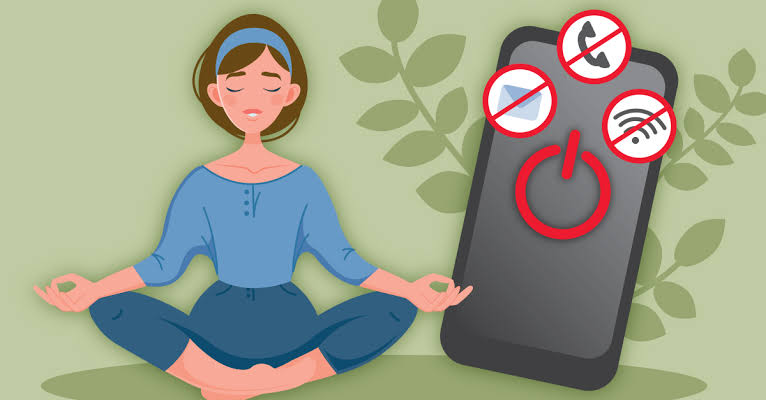
A digital detox does not require deleting every app or giving up your smartphone. A more realistic approach is to create boundaries around when and how technology is used—particularly before bed. When combined with consistent sleep timings, physical activity and a comfortable sleep environment, reducing unnecessary nighttime screen use can help create conditions that support better-quality sleep.
Digital Detox and Sleep: Quick Overview
| Digital Habit | Possible Sleep Impact | Better Approach |
|---|---|---|
| Scrolling in bed | Delays bedtime | Set a screen cut-off |
| Bright screen at night | Can interfere with normal sleep preparation | Reduce late-night exposure |
| Work emails before bed | Keeps mind engaged | Set work boundaries |
| Notifications overnight | May interrupt sleep | Use Do Not Disturb |
| Short videos/reels | Encourages extended viewing | Set app/time limits |
| Phone beside pillow | Makes checking easier | Keep it farther away |
| Late-night news | Can increase mental stimulation | Read earlier |
| Irregular screen habits | Can contribute to inconsistent bedtime | Create a routine |
| Morning phone checking | Encourages immediate digital stimulation | Start morning offline |
What Does a Digital Detox Actually Mean?
A digital detox is an intentional reduction in unnecessary use of smartphones, social media, computers and other digital devices.
It does not necessarily mean completely avoiding technology.
For most people, that would be unrealistic. Students need computers, professionals receive work messages, families communicate through WhatsApp and many essential services are now digital.
A practical digital detox focuses on controlling technology instead of allowing technology to control every free moment.
For better sleep, this may involve:
- Avoiding unnecessary phone use before bed
- Keeping work communication outside the bedroom
- Turning off non-essential notifications
- Reducing social-media scrolling at night
- Creating screen-free periods
- Keeping devices away from the bed
The objective is not digital isolation. It is more intentional digital behaviour.
Late-Night Screen Time Can Delay Bedtime
One of the simplest ways smartphones affect sleep is by taking time away from it.
You may plan to sleep at 11 PM but continue watching videos until midnight.
This is sometimes described as bedtime procrastination—delaying sleep despite having an opportunity to go to bed.
Social-media feeds and short-form videos can make this particularly easy because there is rarely a natural stopping point.
Unlike finishing a television episode or book chapter, an endless feed can continue indefinitely.
If you need to wake at 6:30 AM regardless of when you sleep, every additional 30 minutes spent scrolling reduces the opportunity for sleep.
A digital detox protects bedtime by creating a clear stopping point.
Screen Light Can Affect the Body’s Preparation for Sleep
Light plays an important role in regulating the body’s sleep-wake rhythm.
Exposure to bright light during the evening can influence the biological processes that help prepare us for sleep. Screens are only one source—bright room lighting also matters.
Smartphones are particularly relevant because people often hold them close to their faces.
Using night mode or reducing screen brightness may make evening screen use more comfortable, but these features do not address every problem associated with late-night device use.
Even a dim screen can still keep you awake if you spend another hour watching engaging videos.
Therefore, a stronger approach is to reduce unnecessary screen use as bedtime approaches.
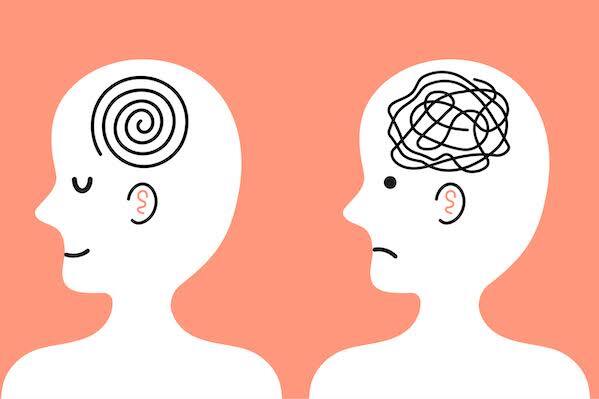
Digital Content Keeps the Brain Mentally Active
The type of content you consume matters too.
Imagine checking a work email just before sleeping and discovering a problem that needs attention tomorrow.
Even if you put the phone away immediately, your mind may continue thinking:
- What should I reply?
- How will I solve this?
- What if the client is unhappy?
- Should I deal with it now?
The same can happen with:
- Heated social-media discussions
- Disturbing news
- Competitive gaming
- Financial-market updates
- Work chats
- Emotionally intense videos
Sleep preparation benefits from a gradual reduction in stimulation.
A digital detox creates a transition between the active part of your day and bedtime.
Notifications Can Interrupt Sleep
Even after you fall asleep, your phone can remain a source of disturbance.
A notification sound, vibration or bright screen may wake you fully or partially.
For Indian users who belong to multiple WhatsApp groups—family, friends, apartment communities and office teams—messages can arrive at almost any hour.
Before sleeping, consider:
- Activating Do Not Disturb
- Silencing non-essential groups
- Disabling unnecessary app notifications
- Turning the phone screen away
- Keeping the device farther from the bed
Important contacts can often be configured to bypass certain notification restrictions if necessary.
This allows you to reduce routine disturbances without becoming completely unreachable.
Keeping the Phone Away From Bed Reduces Automatic Checking
If your smartphone is beside your pillow, checking it requires almost no effort.
You may reach for it automatically when:
- You cannot fall asleep immediately
- You wake briefly during the night
- You hear a notification
- You feel bored
- You wake in the morning
Moving the phone away creates a small physical barrier.
For some people, placing it on a table across the room is enough.
Others may prefer charging the phone outside the bedroom, provided they do not need it for emergencies.
If you use your phone as an alarm clock, a simple standalone alarm clock can remove one reason for keeping it beside the bed.
Create a Screen-Free Wind-Down Routine
Simply removing the phone can leave a gap in your routine.
If scrolling normally occupies the final hour of your day, replace it with something relaxing.
Options include:
- Reading a physical book
- Light stretching
- Preparing clothes for tomorrow
- Writing a short to-do list
- Talking with family
- Taking a comfortable shower
- Listening to calm audio with the screen off
- Practising a relaxing breathing exercise
The ideal activity is one that does not make you feel more alert or encourage you to postpone bedtime.
Over time, repeating a similar routine can create a clear psychological transition toward sleep.
Set a Realistic Digital Curfew
You do not need to suddenly ban screens for three hours before bed.
Choose a rule you can actually maintain.
For example, start by stopping unnecessary smartphone use 30–60 minutes before your planned bedtime.
If that works well, you can adjust the period based on your routine.
A digital curfew could mean:
- No social media after a certain time
- No work email in bed
- No short-form videos after lights are dimmed
- Phone placed on charge away from the bed
- Only urgent calls allowed overnight
The exact timing matters less than consistency and whether the habit helps you protect sufficient sleep.
Separate Work From the Bedroom
Remote and hybrid work can blur the line between office and personal life.
Replying to emails from bed may seem efficient, but it can encourage the brain to associate the bedroom with work and problem-solving rather than rest.
Where possible:
- Finish work communication outside the bedroom.
- Close the laptop after working hours.
- Keep work devices away from the bed.
- Write down unfinished tasks for tomorrow.
- Set expectations about when you are normally available.
Not every professional can completely disconnect at a fixed time, particularly people working shifts or dealing with international teams.
The goal is to create boundaries that are realistic for your responsibilities.
Don’t Forget the Morning
Digital detox habits can also begin after waking.
Many people check their phone before even leaving the bed.
Within minutes, the brain is processing:
- Emails
- Messages
- News
- Social-media posts
- Notifications
Try giving yourself a short screen-free period after waking.
Instead, you could:
- Drink water
- Open the curtains
- Get ready
- Stretch
- Walk
- Eat breakfast
Morning daylight and a regular wake time can also help support a consistent sleep-wake schedule.
Digital Detox Alone Cannot Fix Every Sleep Problem
Reducing screen time can help improve sleep habits, but it is not a treatment for every sleep problem.
Sleep is influenced by many factors, including:
- Stress
- Caffeine
- Alcohol
- Physical activity
- Work shifts
- Room temperature
- Noise
- Medical conditions
- Medications
- Sleep disorders
Someone who regularly snores heavily, stops breathing during sleep, experiences severe daytime sleepiness or has persistent insomnia should not assume that the smartphone is the only problem.
Professional medical assessment may be necessary.
A Simple 7-Day Digital Detox for Better Sleep
You can start gradually:
- Day 1: Disable unnecessary notifications.
- Day 2: Stop checking work emails in bed.
- Day 3: Put your phone away 30 minutes before sleep.
- Day 4: Replace nighttime scrolling with reading or another calm activity.
- Day 5: Keep the phone away from your pillow.
- Day 6: Avoid social media for the first 20–30 minutes after waking.
- Day 7: Review which changes actually improved your bedtime routine.
Keep the habits that are practical rather than trying to follow an unnecessarily strict digital-detox challenge.
The most effective digital lifestyle is not the one with the least technology. It is one where technology supports your day without repeatedly stealing time from your sleep.
FAQs
Q1. How long before bed should I stop using my phone?
A. There is no perfect cut-off for everyone. Starting with around 30–60 minutes of reduced unnecessary screen use before bed is a practical experiment. More important is preventing screens from repeatedly delaying your planned bedtime.
Q2. Is using night mode enough to protect sleep?
A. Night mode can reduce certain wavelengths of screen light and may improve viewing comfort, but it does not prevent stimulating content or extended scrolling from delaying sleep. Reducing overall late-night use is still useful.
Q3. What if I need my smartphone beside me for emergency calls?
A. Use Do Not Disturb or similar settings that allow selected important contacts to reach you while silencing routine notifications. Keep the phone within hearing distance but away from your pillow if practical.
Q4. When should sleep problems be discussed with a doctor?
A. Seek medical advice if sleep difficulties persist, significantly affect daytime functioning, or involve symptoms such as loud habitual snoring, breathing pauses, choking during sleep or severe daytime sleepiness. These can require assessment beyond lifestyle changes.