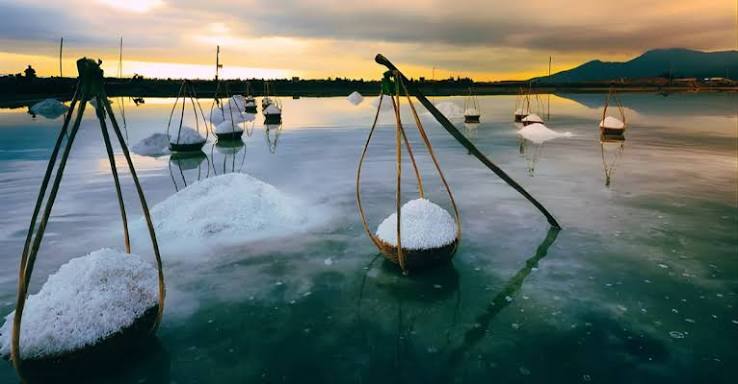
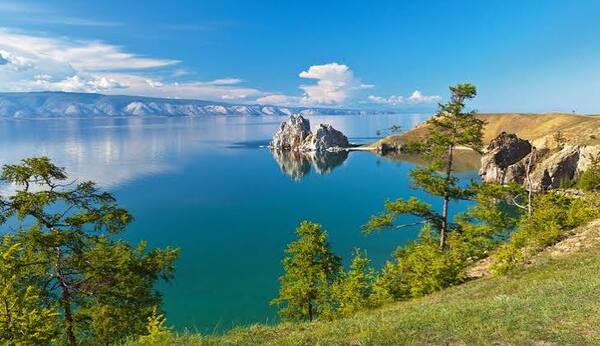
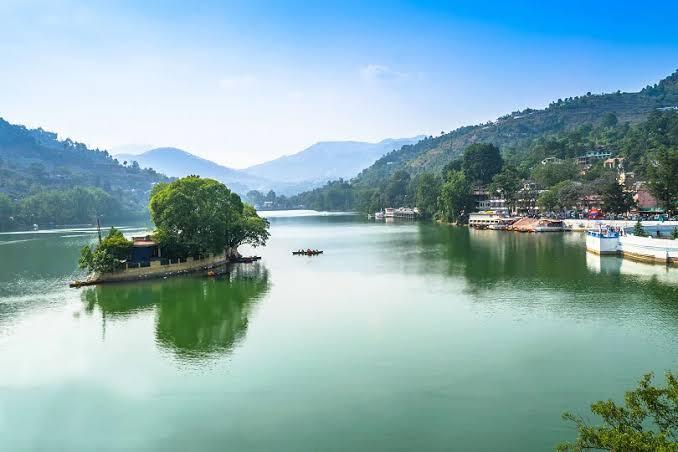
When people think of Uttar Pradesh, the first images are usually the Ganga, the ghats of Varanasi, the Taj Mahal or the historic cities of Lucknow and Agra. But the state also has an impressive network of lakes, taals and wetlands where thousands of migratory birds arrive every winter. Some are huge seasonal water bodies, while others are compact lakes protected as internationally important Ramsar wetlands.
For Indian travellers, students and nature lovers, these lakes offer much more than a picnic spot. They support the Sarus Crane, pelicans, storks, ducks and numerous resident and migratory birds, while also helping with groundwater, fisheries and local livelihoods. Uttar Pradesh’s wetland network has received growing conservation attention, and in 2026 Surha Tal became the state’s 13th Ramsar site.
Rather than ranking purely by size—which is difficult because many UP lakes expand and shrink seasonally—this list highlights five of the most important and interesting lakes to know about in Uttar Pradesh.
Top 5 Lakes in Uttar Pradesh: Overview
| Lake | District/Region | Approx. Protected/Wetland Area | Best Known For |
|---|---|---|---|
| Surha Tal | Ballia | ~3,433 hectares* | Huge eastern UP wetland |
| Lakh Bahosi | Kannauj | Sanctuary ~80 km²* | Two oxbow lakes and birdlife |
| Samaspur Lake/Wetland | Rae Bareli | 799 hectares | Ramsar site, migratory birds |
| Keetham Lake | Agra | Sanctuary ~8 km²* | Ramsar wetland near Agra |
| Saman Lake/Wetland | Mainpuri | 526 hectares | Sarus Crane and waterbirds |
*Some figures refer to the wider sanctuary/wetland landscape rather than permanent open-water area, which can vary seasonally.
1. Surha Tal – Ballia
- Surha Tal, located in Ballia district of eastern Uttar Pradesh, is one of the state’s most significant large wetlands.
- The Uttar Pradesh Eco-Tourism Development Board states that the Surha Tal landscape associated with Jai Prakash Narain Bird Sanctuary covers approximately 3,432.93 hectares and was formed through the consolidation of land from 45 villages.
- Its importance increased further in June 2026, when Surha Tal was announced as Uttar Pradesh’s 13th Ramsar Site and India’s 100th Ramsar Site.
- The wetland expands significantly during the rainy season as water from the surrounding landscape accumulates. During winter, it becomes particularly attractive for birdlife.
- For travellers interested in eastern Uttar Pradesh beyond the traditional religious-tourism circuit, Surha Tal offers a very different experience—open water, rural landscapes and birdwatching rather than crowded monuments.
- The best experience generally comes during the cooler months when migratory birds are present and outdoor conditions are comfortable.
2. Lakh Bahosi – Kannauj
- Lakh Bahosi is not simply one lake. The protected landscape encompasses two oxbow lakes—Lakh and Bahosi—along with surrounding wetlands.
- The UP Eco-Tourism Development Board describes the wider Lakh Bahosi Bird Sanctuary as covering approximately 80 square kilometres.
- An oxbow lake develops when a bend of a river becomes separated from the main river channel. Such water bodies can create exceptionally productive habitats for aquatic vegetation, fish and birds.
- Lakh Bahosi is particularly attractive for birdwatchers during winter, when migratory species join the resident bird population.
- The landscape is also a reminder that a lake’s ecological importance cannot be judged simply by its permanent open-water surface. Seasonal marshes, shallow areas, grasslands and surrounding vegetation can be equally important for wildlife.
- For travellers visiting Kannauj—the city famous for traditional Indian perfume or attar—Lakh Bahosi provides an interesting nature-based addition to the itinerary.
3. Samaspur Lake and Bird Sanctuary – Rae Bareli
- Samaspur Bird Sanctuary in Rae Bareli district is one of Uttar Pradesh’s internationally recognised wetlands.
- The Wetlands of India database records the Ramsar site at approximately 799 hectares, making it considerably larger than several other protected Ramsar wetlands in the state.
- Samaspur is primarily known for its birds.
- Its combination of shallow water, marsh vegetation and surrounding habitat creates suitable conditions for numerous resident and migratory species.
- For visitors, winter is generally the most rewarding season because migratory waterbirds arrive from regions far beyond India.
- A pair of binoculars can make a major difference here. Instead of expecting a conventional tourist lake with boating and cafés, visitors should approach Samaspur as a natural wetland and bird habitat.
- Quiet observation is part of the experience.
- Photography should also be done responsibly without attempting to approach nesting or resting birds too closely.
4. Keetham Lake – Agra
- If you are visiting the Taj Mahal and want to add nature to your Agra itinerary, Keetham Lake is one of the best options.
- The lake forms the heart of Soor Sarovar Bird Sanctuary, situated near the Delhi–Agra highway.
- The Uttar Pradesh Eco-Tourism authorities explain that the sanctuary originally covered about 4.03 square kilometres before the protected landscape was expanded to approximately 8 square kilometres through additional plantation and habitat development. It supports more than 120 species of resident and migratory waterfowl.
- Keetham is also a Ramsar wetland, giving it international recognition for ecological importance. Current Agra district information highlights more than 165 local and migratory bird species in the wider sanctuary landscape.
- Pelicans, painted storks and other waterbirds can be among the highlights during the appropriate season.
- Another attraction nearby is the Wildlife SOS bear conservation facility.
- Because Keetham is only around 20–30 km from central Agra depending on the starting point, it is considerably easier to include in a tourist itinerary than many remote wetlands elsewhere in Uttar Pradesh.
5. Saman Lake and Bird Sanctuary – Mainpuri
- Saman Bird Sanctuary in Mainpuri district protects another important natural wetland ecosystem.
- According to India’s official wetland database, the Ramsar site covers approximately 526 hectares.
- The wetland is particularly valuable for waterbirds and forms part of the wider network of bird habitats spread across the Gangetic plains of Uttar Pradesh.
- One of the major attractions of wetlands in this region is the possibility of seeing the magnificent Sarus Crane.
- The Sarus is the world’s tallest flying bird and has an especially strong association with Uttar Pradesh’s agricultural wetlands and shallow water bodies.
- Saman also sits within Uttar Pradesh’s western bird and wetland tourism circuit alongside destinations such as Sarsai Nawar, Soor Sarovar and other protected wetlands.
- Visitors interested primarily in birdwatching should plan an early-morning visit during the cooler months.
Other Beautiful Lakes and Wetlands Worth Knowing
- Uttar Pradesh has many important water bodies beyond these five.
- Sandi Bird Sanctuary in Hardoi covers approximately 309 hectares and surrounds Deher Jheel and associated wetland habitat.
- Sarsai Nawar in Etawah consists of two relatively small lakes but has exceptional importance for Sarus Cranes. Uttar Pradesh Eco-Tourism notes that several Sarus pairs breed there regularly and large numbers of migratory birds visit during winter.
- Nawabganj Bird Sanctuary in Unnao, now known as Shaheed Chandra Shekhar Azad Bird Sanctuary, is another notable wetland destination, while Shekha Jheel in Aligarh has also gained Ramsar recognition.
- For travellers, the practical lesson is that Uttar Pradesh’s best lake experiences are often wetland and birdwatching destinations, rather than conventional recreational lakes.
Best Time to Visit Lakes in Uttar Pradesh
- For most bird-rich wetlands, November to February is an excellent period.
- Temperatures are comfortable, vegetation is generally easier to explore, and winter brings migratory birds to many wetlands.
- Early morning is usually preferable for birdwatching and photography because birds tend to be active and the light is softer.
- Monsoon presents a completely different landscape. Seasonal lakes and wetlands can expand considerably after heavy rainfall, but access may become difficult in some rural locations.
- Always check current local access conditions before travelling, particularly for protected bird sanctuaries.
FAQs
1. Which is the most famous lake near Agra?
Keetham Lake, located within Soor Sarovar Bird Sanctuary, is one of the best-known lakes near Agra. It is also part of a Ramsar-designated wetland.
2. Which lake in Uttar Pradesh became a Ramsar Site in 2026?
Surha Tal in Ballia was declared Uttar Pradesh’s 13th Ramsar Site in June 2026, adding international recognition to this important eastern UP wetland.
3. Which Uttar Pradesh lakes are best for birdwatching?
Surha Tal, Samaspur, Keetham, Saman, Sandi, Sarsai Nawar and Lakh Bahosi are all notable choices. Winter is generally the best season for observing migratory waterbirds.
4. Which lake near Delhi can be combined with an Agra trip?
Keetham Lake at Soor Sarovar Bird Sanctuary is conveniently located near the Delhi–Agra route and is roughly 20 km from Agra Cantt railway station, making it practical to combine with an Agra visit.