The Sone River, also commonly written as the Son River, is an important river of central and eastern India and one of the major southern tributaries of the Ganga. Beginning near the Amarkantak region of Madhya Pradesh, the river travels across a varied landscape of plateaus, forests, valleys and plains before meeting the Ganga in Bihar. For communities living along its course, the Sone is much more than a geographical feature—it supports irrigation, agriculture and regional water resources.
What makes the Sone particularly interesting is its broad sandy channel, seasonal variation in water flow and long journey from central India towards the Gangetic plains. The river is approximately 784 km long and its basin covers parts of Madhya Pradesh, Uttar Pradesh, Chhattisgarh, Jharkhand and Bihar. Major tributaries such as the Rihand, Kanhar and North Koel strengthen the river system.
For students, competitive-exam aspirants and general readers, understanding the Sone River’s origin, tributaries, length and flowing states provides a useful picture of the drainage system connecting central India with the Ganga basin.
Sone River Overview
| Particular | Details |
|---|---|
| River Name | Sone River / Son River |
| River System | Ganga River System |
| Origin | Near Amarkantak, Madhya Pradesh |
| Origin Region | Maikal Hills |
| Approximate Length | 784 km |
| General Flow Direction | Mainly north-east/east towards the Ganga |
| Major Tributaries | Rihand, Kanhar, North Koel, Gopad and Johilla |
| Major States Associated with Basin | Madhya Pradesh, Uttar Pradesh, Chhattisgarh, Jharkhand and Bihar |
| Final Destination | Ganga River |
| River Type | Peninsular river and right-bank tributary of the Ganga |
| Important Water Project | Bansagar Dam |
Where Does the Sone River Originate?
The Sone River originates near Amarkantak in Madhya Pradesh, close to the Maikal Hills. Amarkantak is an important geographical region because several river systems have their origins in or around this elevated landscape.
The region lies near the meeting zone of important hill ranges and watersheds of central India. Due to its elevation and monsoon rainfall, it serves as the source region for rivers flowing in different directions.
After originating near Amarkantak, the Sone initially moves through the plateau landscape before turning towards the north-east and eventually entering the plains.
Important facts about the Sone River’s origin:
- It originates near Amarkantak in Madhya Pradesh.
- Its source is associated with the Maikal Hills.
- The river belongs to the larger Ganga drainage system.
- It ultimately flows towards Bihar and joins the Ganga.
- It is one of the major rivers draining the northern part of the Peninsular plateau towards the Ganga.
What Is the Length of the Sone River?
The Sone River has an approximate length of 784 kilometres.
Although significantly shorter than the Ganga, its geographical importance is considerable because it drains a large region of central and eastern India and brings water from the plateau areas towards the Gangetic plains.
The Sone is also known for having a wide riverbed, particularly in its lower reaches. During the dry season, large stretches of sand may be visible, while during the monsoon the amount of water carried by the river can increase considerably.
This seasonal difference is one of the characteristic features of the river.
Which States Does the Sone River Flow Through?
The Sone river system is associated with several states of central and eastern India. However, it is important to distinguish between the main course of the river and its wider drainage basin and tributaries.
1.Madhya Pradesh
- The journey of the Sone begins in Madhya Pradesh, near Amarkantak. The river passes through the eastern part of the state and receives water from several streams and tributaries.
- The Bansagar Dam, one of the most important projects on the Sone River, is located in Madhya Pradesh.
2.Uttar Pradesh
- The Sone River system is closely associated with southeastern Uttar Pradesh. Tributaries such as the Rihand and Kanhar drain important areas of this region before contributing to the Sone system.
- The river and its tributaries are particularly significant around the Sonbhadra region.
3.Bihar
- Bihar forms the important lower section of the Sone River’s journey. After entering the Gangetic plains, the river flows towards the Ganga.
- The Sone finally joins the Ganga River in Bihar, west of Patna.
- Historically, the river has played an important role in Bihar’s irrigation network. Canals developed from the Sone system have helped supply water to agricultural areas.
4.Chhattisgarh and Jharkhand
- Parts of the wider Sone drainage basin extend into Chhattisgarh and Jharkhand through important tributaries and their catchments.
- Therefore, when describing the Sone River, these states are usually discussed as part of its broader river basin rather than assuming that the main channel passes extensively through every state.
Major Tributaries of the Sone River
The Sone receives water from several tributaries as it moves from the central Indian highlands towards Bihar. These tributaries increase the size of its drainage basin and contribute significantly to its flow.
1. Rihand River
- The Rihand River is one of the most important tributaries of the Sone. It drains areas of central India before joining the Sone.
- The Rihand Dam, also known as Govind Ballabh Pant Sagar, is an important multipurpose project associated with this tributary in Uttar Pradesh.
2. Kanhar River
- The Kanhar River is another significant tributary of the Sone. It flows through parts of central and northern India before joining the river system.
- Its catchment covers areas of Chhattisgarh, Uttar Pradesh and neighbouring regions.
3. North Koel River
- The North Koel River is an important tributary of the Sone system. It flows mainly through Jharkhand before joining the Sone in Bihar.
- The North Koel and its tributaries form an important drainage network across the plateau regions of Jharkhand.
4. Gopad River
- The Gopad River is a tributary of the Sone that drains parts of Madhya Pradesh.
- Like several other rivers in the Sone basin, its flow is influenced considerably by monsoon rainfall.
5. Johilla River
- The Johilla River originates in the Amarkantak region and joins the Sone. It forms part of the river network draining the highlands of eastern Madhya Pradesh.
Important tributaries of the Sone include:
- Rihand
- Kanhar
- North Koel
- Gopad
- Johilla
Together, these rivers create a large drainage system connecting the plateau regions of central India with the Ganga basin.
Course of the Sone River from Origin to the Ganga
- The Sone begins near the highlands of Amarkantak. From its source, it travels through the rugged landscape of eastern Madhya Pradesh.
- In its upper course, the river flows through plateau terrain where the surrounding landscape includes hills, forests and valleys.
- As the river continues towards the north-east, several tributaries join it and increase its drainage area. The Sone eventually reaches the plains of Bihar, where the characteristics of the river change considerably.
- The lower Sone is particularly known for its broad sandy bed. The river eventually reaches its final destination by joining the Ganga River in Bihar.
- Its journey can therefore be simplified as:
Amarkantak → Central Indian Plateau → Sone Valley → Bihar Plains → Ganga River
Bansagar Dam on the Sone River
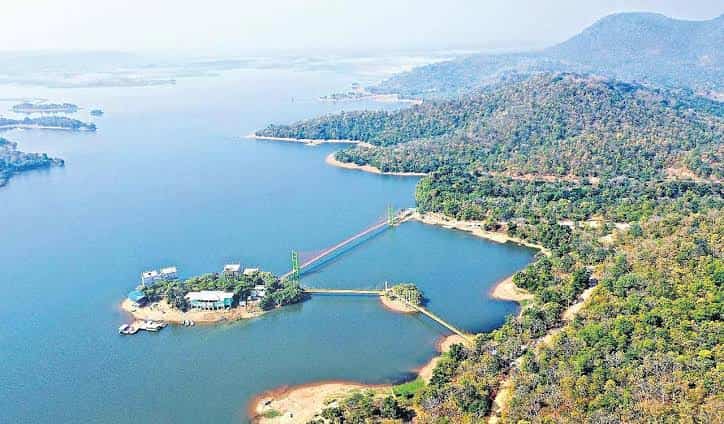
- One of the most important water projects constructed directly across the Sone is the Bansagar Dam.
- Located in Madhya Pradesh, Bansagar is a multipurpose river valley project designed to utilise Sone River water for irrigation and power generation.
- The project is significant for multiple states in the region.
Major purposes associated with the Bansagar project include:
- Irrigation
- Hydroelectric power generation
- Water storage
- Regional water management
- Agricultural development
The reservoir created by the dam is also an important feature of the modern Sone River system.
Importance of the Sone River for Irrigation
- The Sone has long been important for agriculture, particularly in Bihar.
- Because rainfall varies significantly between seasons, controlled use of river water through barrages, dams and canals helps farmers obtain water during important stages of crop cultivation.
- The Sone canal system has historically been one of the notable irrigation networks of Bihar.
River water contributes to the cultivation of crops such as:
- Paddy
- Wheat
- Pulses
- Oilseeds
- Vegetables
- Other seasonal crops
Irrigation infrastructure connected with the river has therefore played an important role in improving agricultural water availability in parts of the Gangetic plains.
Why Is the Sone River Important?
The Sone River has geographical, agricultural and economic importance for central and eastern India.
Some of its major contributions include:
- Major Ganga tributary: It is one of the important right-bank tributaries of the Ganga.
- Irrigation: Its water supports agricultural areas, particularly through reservoirs and canal networks.
- Hydropower: Projects within the Sone basin contribute to electricity generation.
- Water storage: Dams and reservoirs help manage seasonal river flows.
- Large drainage basin: Its tributaries drain parts of several central and eastern Indian states.
- Agricultural support: River and canal water helps farmers cultivate important food crops.
- Regional geography: The river creates an important drainage connection between the central Indian plateau and the Gangetic plains.
Sone River and Ganga River Connection
The Sone is classified as a right-bank tributary of the Ganga.
This means that when viewed in the direction in which the Ganga flows, the Sone enters it from the southern or right-hand side.
The connection is geographically important because the Sone carries drainage from the plateau areas south of the Gangetic plain into the Ganga river system.
Other major rivers also contribute to the Ganga from different parts of northern and central India, making the overall basin one of the largest and most important river systems in the country.
FAQs About the Sone River
1. Where does the Sone River originate and where does it end?
A. The Sone River originates near Amarkantak in Madhya Pradesh, in the Maikal Hills region. It travels towards eastern India and eventually joins the Ganga River in Bihar.
2. What is the total length of the Sone River?
A. The Sone River is approximately 784 km long. It travels from the central Indian highlands towards the Gangetic plains before merging with the Ganga.
3. What are the major tributaries of the Sone River?
A. Major tributaries of the Sone include the Rihand, Kanhar, North Koel, Gopad and Johilla rivers. These tributaries drain significant areas of Madhya Pradesh, Uttar Pradesh, Chhattisgarh, Jharkhand and Bihar.
4. Is the Son River and Sone River the same?
A. Yes. Son River and Sone River refer to the same river. Both spellings are commonly used in English. The river is an important right-bank tributary of the Ganga and originates near Amarkantak in Madhya Pradesh.