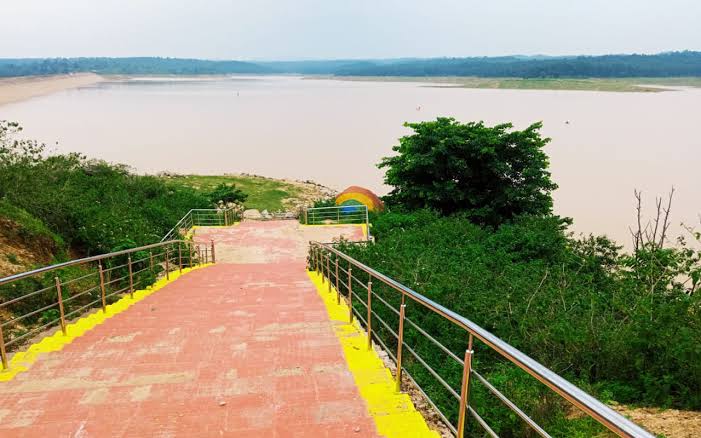
If you’re from Ranchi or Khunti and haven’t yet made the trip to Latratu Dam, you’re missing one of Jharkhand’s quieter natural gems. This isn’t a flashy tourist complex with amusement rides and food courts — it’s a genuinely peaceful reservoir that’s recently caught the attention of biodiversity researchers for its bird population, while remaining a low-key favourite for locals seeking a scenic escape without the crowds. Here’s everything worth knowing before you plan your visit.
Quick Overview
| Detail | Information |
| Location | Karra block, Khunti district, Jharkhand (bordering Ranchi district) |
| Distance from Khunti Town | Around 35 km |
| Distance from Ranchi | Roughly 48–50 km |
| Nearest Railway Station | Hatia Railway Station, about 45 km away |
| Nearest Airport | Ranchi (Birsa Munda) Airport, around 47 km away |
| Status | Situated on the Khunti-Ranchi district border |
| Ecological Significance | Site of Asian Water Bird Census, conducted by Jharkhand Biodiversity Board |
| Managed By | Jharkhand Forest, Environment & Climate Change Department |
| Popular Activities | Birdwatching, photography, scenic sightseeing |
| Best Time to Visit | November to February |
| Entry Fee | Free (based on available records) |
Where Latratu Dam Is Located
Latratu Dam sits within Karra block of Khunti district, right on the border shared with Ranchi district, making it accessible from either direction depending on where you’re travelling from. It’s roughly 35 kilometres from Khunti town and around 48 to 50 kilometres from Ranchi, positioning it as a genuinely manageable day trip from either location.
Hatia Railway Station, about 45 kilometres away, serves as the nearest rail connection, while Ranchi’s Birsa Munda Airport, roughly 47 kilometres from the dam, remains the closest air link for visitors travelling from further afield. Khunti district overall benefits from decent road connectivity, with pucca roads reaching all six of its blocks, including Karra, so the final stretch to the dam is generally manageable by local bus, taxi, or private vehicle.
The River and Water Source Behind This Reservoir
This is worth being upfront about — publicly available records don’t clearly document a single named river as the specific source for Latratu Dam, unlike many of Jharkhand’s more prominent dams with well-documented river origins. What is clear is that Khunti district’s water systems are fed by the Karo, Tajna, Chata, and Banai rivers, all of which flow through this southern Chotanagpur Plateau region and support both agriculture and the district’s scenic waterfalls and reservoirs.
Given Latratu’s location within this broader river network and its classification as a wetland significant enough for formal bird census work, it functions as a genuine water body within this river system, even though a single definitive source river isn’t consistently named across available sources. If you’re researching this for academic or highly technical purposes, it’s worth checking directly with Jharkhand’s Water Resources Department for precise hydrological documentation.
A History Rooted in Regional Water Management
Latratu Dam doesn’t carry the same decades-spanning political or engineering backstory that dams like Maithon or Panchet do. Instead, it fits into Jharkhand’s broader pattern of smaller regional reservoirs built to support local water needs across the Chotanagpur Plateau’s undulating, forest-covered terrain. Khunti district itself, carved out of a larger administrative area, has historically relied on numerous seasonal and perennial water bodies, with local tribal communities also maintaining traditional water conservation methods like jharnas and check dams alongside larger reservoirs like Latratu.
What’s given this dam genuine recent visibility isn’t so much its construction history, but rather its ecological significance, which has only become more apparent in the last few years.
Why Latratu Dam Matters for Bird Conservation
This is genuinely the most interesting recent chapter in Latratu’s story. In February 2022, the Jharkhand Biodiversity Board, in collaboration with Wetlands International, conducted an Asian Water Bird Census at Latratu Dam, specifically in Karra block. The event brought together forest officials, biodiversity experts, local school children, and members of biodiversity management committees, alongside senior forest guards receiving training in the region.
This kind of formal ecological attention signals that Latratu’s wetland ecosystem is considered genuinely significant enough to warrant scientific monitoring, not just casual sightseeing. For birdwatchers and nature photographers, this is a strong indicator that the reservoir supports a meaningful population of resident and migratory water birds, particularly valuable information if you’re planning your visit around birding specifically.
What There Is to See and Do
Khunti district’s official tourism information lists Latratu Dam and its reservoir among the district’s scenic spots gaining popularity, particularly during the November to February window. The setting here offers the kind of quiet, undeveloped natural beauty that’s become harder to find at India’s more commercialised dam-tourism destinations, making it genuinely appealing for visitors who prefer scenery and birdwatching over organised activities and amusement park-style attractions.
Given its proximity to other Khunti attractions, it’s worth combining a Latratu visit with nearby sites like Rani Falls on the Tajna River, or extending your trip toward the historically significant Ulihatu Village, birthplace of tribal hero Birsa Munda, and Dombari Buru, the hill where he led the Ulgulan movement. These sites collectively give Khunti district a genuinely rich blend of natural scenery and tribal history worth exploring together.
Practical Realities Worth Knowing
Given Latratu’s relatively low-key tourism profile compared to more developed dams elsewhere in India, it’s sensible to expect fairly basic facilities at the site itself. Carrying your own food, water, and any equipment you might need for birdwatching or photography is a reasonable precaution, since dedicated tourist infrastructure like restaurants or formal viewing platforms may be limited.
Mobile connectivity across most of Khunti district’s villages has improved significantly in recent years, which helps for navigation and emergency contact, though it’s still worth downloading offline maps as a backup given the semi-rural setting.
Timings and Best Time to Visit
Specific, formally published visiting hours for Latratu Dam aren’t widely documented, which is common for smaller regional reservoirs like this one that operate more as open natural sites than ticketed tourist attractions. Based on available information, daylight hours are the sensible window for a visit, both for safety and for the best experience of the surrounding scenery.
November through February stands out as the clearly recommended period, aligning with both comfortable regional weather and the peak season for the migratory and resident bird activity that’s made this reservoir ecologically significant. This timing also fits naturally with the Asian Water Bird Census schedule, giving visitors during this window a genuine chance of spotting the same bird populations that conservationists monitor here.
Frequently Asked Questions
Q1. Is Latratu Dam a good destination specifically for birdwatching?
Yes, genuinely so. Its selection as a site for the Asian Water Bird Census by the Jharkhand Biodiversity Board and Wetlands International confirms it supports a meaningful bird population, making it a worthwhile stop for birdwatchers, particularly between November and February.
Q2. What river feeds Latratu Dam?
This isn’t clearly documented in publicly available records. Khunti district’s broader water network includes the Karo, Tajna, Chata, and Banai rivers, and Latratu functions within this regional river system, though a single specific source river for the dam itself isn’t consistently named across available sources.
Q3. Can I combine a Latratu Dam visit with other Khunti attractions in one trip?
Yes, easily. Rani Falls, Ulihatu Village, and Dombari Buru are all within reasonable driving distance, making it possible to build a fuller day trip that combines Latratu’s natural scenery with Khunti district’s significant tribal heritage sites.
Q4. Are there proper facilities like food stalls or restrooms at Latratu Dam?
Facilities appear to be fairly basic given the site’s low-key tourism profile, so it’s advisable to carry your own food, water, and any equipment you need, rather than expecting extensive on-site infrastructure.