If you’ve ever wondered which dam started India’s very first coordinated attempt at flood control after independence, Tilaiya Dam is the answer. This was the opening chapter of the Damodar Valley Corporation, the country’s first multipurpose river valley authority, and it was significant enough that Jawaharlal Nehru personally inaugurated it and later described the experience as filling him with “a sense of great achievement.” If you’re planning a trip through Jharkhand’s Koderma district, here’s everything worth knowing.
Tilaiya Dam Quick Overview
| Detail | Information |
| Also Known As | Telaiya Dam |
| River | Barakar River, a tributary of the Damodar River |
| Location | Tilaiya, Koderma district, Jharkhand |
| Distance from Koderma Town | Around 22 km |
| Nearest Railway Station | Koderma Junction, around 15–22 km |
| Nearest Airport | Ranchi (161–178 km) or Patna (165 km) |
| Inaugurated | 21 February 1953, by Prime Minister Jawaharlal Nehru |
| Status | First of four dams built under the Damodar Valley Corporation |
| Dam Type | Concrete gravity dam |
| Dam Height | 30.2 metres |
| Dam Length | 366 metres |
| Reservoir Area | 36 sq. km |
| Power Generation | 4 MW (2 x 2 MW) |
| Irrigation Coverage | Around 35,000 hectares |
| Recent Development | Multi-purpose park (August 2025), floating restaurant (September 2025) |
| Best Time to Visit | October to March |
Where Tilaiya Dam Is Located
Tilaiya Dam sits roughly 22 kilometres from Koderma town, along the Koderma-Hazaribagh road, which also connects to NH-20, the Patna-Ranchi national highway. This positioning means travellers driving along this route get a direct, scenic view of the dam and its surrounding hills without even leaving the main road.
Koderma Junction serves as the nearest railway station, roughly 15 to 22 kilometres away depending on the exact route, with frequent connections to major cities including Patna and Ranchi. Auto-rickshaws are readily available for the short journey from the station to the dam itself, and fares are generally negotiable.
The River Behind India’s First Coordinated Flood-Control Project
The dam is built across the Barakar River, a significant tributary of the Damodar, at a point roughly 210 kilometres above their eventual confluence and just 64.4 kilometres from the Barakar’s own source. Here, the river cuts through a narrow gorge, with hills rising to about 45.7 metres on either side, creating a naturally ideal location for dam construction.
This site’s flood-control significance stems from the Barakar’s role in the broader, historically flood-prone Damodar valley system, an area that suffered catastrophic flooding in 1943, devastating large parts of West Bengal and Bihar and setting off the chain of events that ultimately led to this dam’s construction.
A History Born From Disaster and American Inspiration
The story here genuinely begins with tragedy. The devastating 1943 Damodar flood prompted the Bengal government to form a high-powered Damodar Flood Enquiry Committee, which recommended creating a body modelled on the Tennessee Valley Authority in the United States. W.L. Voorduin, a senior TVA engineer, was brought in to study the problem, and by 1944 he’d proposed multipurpose development of the entire valley.
This led to the formation of the Damodar Valley Corporation in 1948, jointly run by the central government alongside Bihar (later Jharkhand) and West Bengal, marking it as independent India’s first multipurpose river valley project. While Voorduin had originally proposed eight dams for the full scheme, only four were eventually built, and Tilaiya was the very first, inaugurated on 21 February 1953.
Nehru’s personal reaction to the completed project genuinely captures the significance of this moment for a newly independent nation. In a letter to chief ministers shortly after the inauguration, he wrote that the sight of the completed works filled him, and others present, with a sense of great achievement. The Indian Postal Service later commemorated this milestone, issuing a one-anna stamp depicting Tilaiya Dam as part of a Five-Year Plan series released on 26 January 1955.
What Tilaiya Dam Does for the Region Today
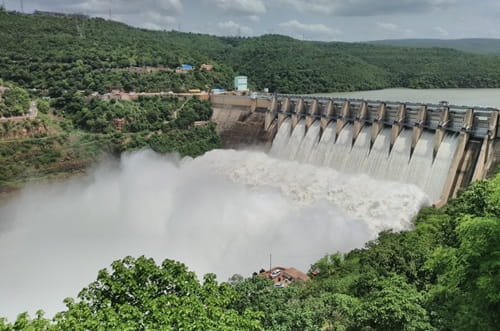
Beyond its historical significance, Tilaiya Dam continues serving genuinely important functions. Its reservoir, with a catchment area of 984 square kilometres, is specifically designed to attenuate peak flows and reduce the intensity of downstream flooding along both the Barakar and Damodar rivers, a role it’s fulfilled consistently since commissioning, helping moderate flood events comparable in scale to the devastating 1943 disaster that originally sparked its construction.
The dam also supports irrigation for approximately 35,000 hectares of farmland across Koderma district and neighbouring parts of Jharkhand, channelling stored water through an extensive canal network. Its hydroelectric station, generating 4 MW through two 2 MW units, adds a modest but meaningful power contribution to the region.
A Genuine Tourism Transformation Underway
This is worth knowing if you’re planning a visit soon. In August 2025, a multi-purpose park was inaugurated at Tilaiya Dam, specifically designed to promote water sports, recreational activities, and green spaces for both residents and visitors. Just a month later, in September 2025, Jharkhand’s first floating restaurant opened at the site, built at a cost of ₹2.38 crore, aimed at enhancing the visitor experience while creating local employment in hospitality and tourism.
These recent developments reflect a genuine, deliberate push by the DVC and Jharkhand government to leverage Tilaiya’s scenic setting for sustainable, community-focused tourism, suggesting the site is evolving considerably from its purely historical and functional roots into a more complete recreational destination.
What There Is to See and Do
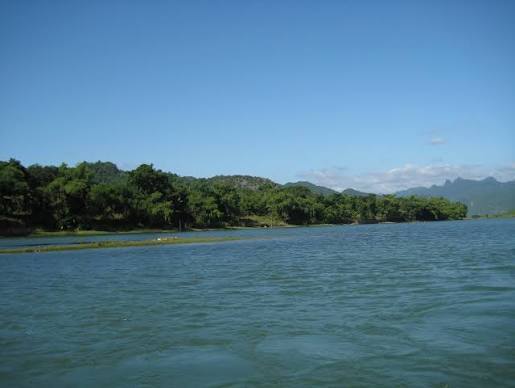
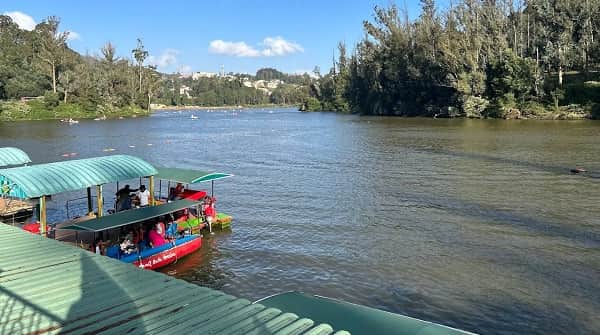
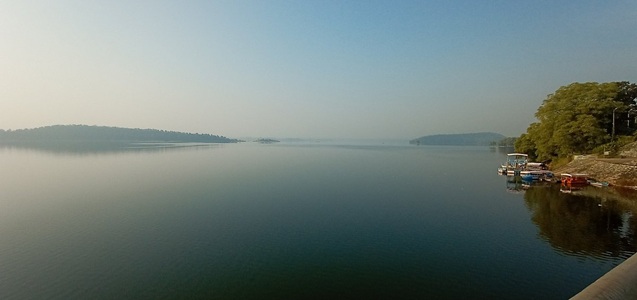
The reservoir’s setting, surrounded by a hilly plateau and lush green sal forests, makes for genuinely striking sunrise and sunset views, with several visitors specifically noting it as one of the largest natural reservoirs in the state. Boating remains a central activity here, and adventurous visitors can take a boat to Whispering Island, home to a jungle crocodile project, or to Chacha Nehru Island, a genuinely popular spot for family picnics named in tribute to the dam’s founding Prime Minister.
Early mornings sometimes offer the chance to buy fresh fish directly from local vendors near the dam, and a small market place provides basic supplies for visitors. A picturesque stretch of the Patna-Ranchi road passing through hills overlooking the reservoir adds to the overall scenic appeal of a Tilaiya visit.
A Few Honest Practical Notes
Visitor accounts consistently mention that accommodation options remain limited, with the General Bhagat Guesthouse, owned by DVC, cited as essentially the only formal stay option, though its availability to private tourists isn’t entirely clear. Given the region’s climate extremes, with genuinely cold winters and hot summers, it’s worth packing accordingly for whichever season you’re visiting in.
Several older reviews note there’s “nothing much to do” once evening sets in, though this may well shift given the new floating restaurant and multi-purpose park developments from 2025, so it’s worth checking current facilities before assuming the older, more limited visitor experience still applies.
Timings and Best Time to Visit
October through March offers the most comfortable weather for exploring the dam and its surroundings, avoiding both the intensity of Jharkhand’s summer heat and the heavier rainfall of monsoon season. Given the dam’s role in flood management, water levels and general accessibility can shift noticeably during and right after monsoon, so visiting during the cooler, drier months generally offers the most reliable experience for boating and sightseeing alike.
Frequently Asked Questions
Q1. Why is Tilaiya Dam historically significant beyond being just another Jharkhand reservoir?
It was the first of four dams built under the Damodar Valley Corporation, India’s first multipurpose river valley project, inaugurated personally by Jawaharlal Nehru in 1953 and later commemorated on an official Indian postage stamp, making it a genuine landmark in the country’s early post-independence infrastructure development.
Q2. What new facilities have recently opened at Tilaiya Dam?
A multi-purpose park opened in August 2025 focused on water sports and green recreational spaces, followed by Jharkhand’s first floating restaurant in September 2025, both aimed at significantly improving the visitor experience beyond the dam’s traditional picnic-and-boating appeal.
Q3. Is accommodation available for an overnight stay near Tilaiya Dam?
Options remain limited, with the DVC-owned General Bhagat Guesthouse cited as essentially the only formal stay option, though its accessibility to private tourists isn’t entirely clear, so it’s worth confirming availability in advance if you’re planning to stay overnight.
Q4. What can I do at the islands within the Tilaiya reservoir?
Whispering Island houses a jungle crocodile project worth visiting by boat, while Chacha Nehru Island is a popular spot specifically suited for family picnics, both reachable through the boating activities available at the dam.