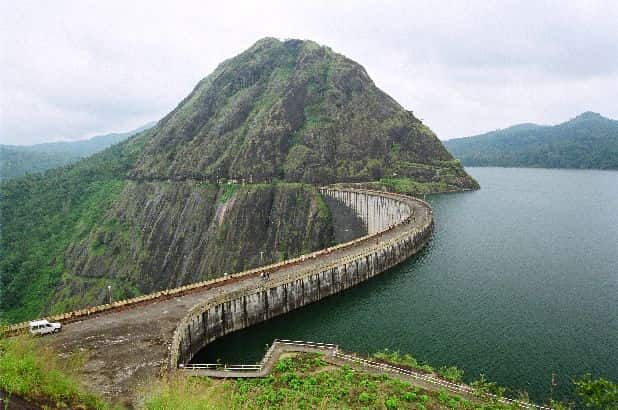
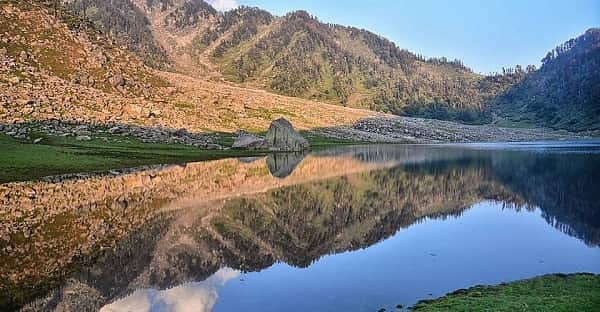
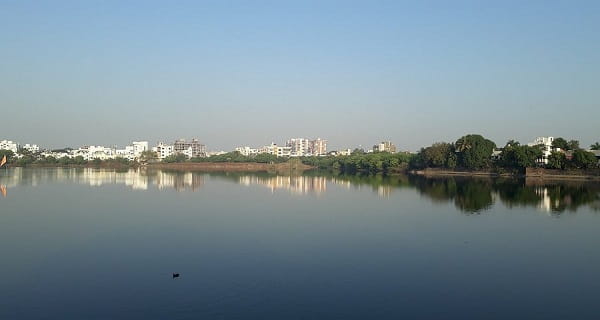
If you’ve ever wanted to see lions roaming a forest enclosure without leaving Kerala, or wondered where Trivandrum locals actually go to escape the city on a weekend, Neyyar Dam answers both questions at once. This isn’t just an irrigation project quietly sitting at the foot of the Western Ghats — it’s turned into one of South Kerala’s most complete eco-tourism destinations, combining a scenic reservoir, a genuine lion safari, crocodile rehabilitation work, and trekking access to a UNESCO biosphere peak, all within a single sanctuary complex. Here’s everything worth knowing before you plan your visit.
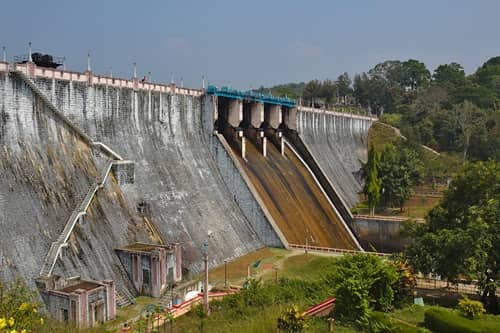
Neyyar Dam Quick Overview
| Detail | Information |
| River | Neyyar River |
| Location | Near Kattakkada, Thiruvananthapuram district, Kerala |
| Distance from Thiruvananthapuram | Around 29–30 km |
| Distance from Kovalam | About 30 km |
| Nearest Airport | Trivandrum International Airport, roughly 32–38 km away |
| Nearest Railway Station | Thiruvananthapuram Central, about 28–30 km away |
| Built | 1958 |
| Dam Type | Rubble masonry gravity dam |
| Dam Height | Around 56 metres (184 feet) |
| Dam Length | About 295 metres (968 feet) |
| Power Generation | 15 MW hydroelectric capacity |
| Surrounded By | Neyyar Wildlife Sanctuary, spanning 128 sq. km |
| River Confluence | Point where Neyyar, Kallar, and Mullayar rivers meet |
| Visiting Hours | Generally 9:00 AM to 4:00 PM or 5:00 PM (closed Mondays) |
| Entry Fee | Around ₹10 for the dam; ₹250 for adults for the safari |
| Best Time to Visit | October to March |
Where Neyyar Dam Is Located
Neyyar Dam sits near Kattakkada, roughly 29 to 30 kilometres from Thiruvananthapuram city, tucked into the foothills of the Western Ghats. It’s positioned close enough to Kovalam beach as well, at around 30 kilometres, making it a genuinely convenient day trip whether you’re based in the capital or along the coast.
Getting here is straightforward, with regular KSRTC buses, taxis, and app-based cabs making the roughly 45-minute drive through scenic hills, forests, and small villages. The route itself is frequently mentioned as part of the experience, given how quickly the landscape shifts from city roads to lush greenery.
The River Behind This Dam
The dam is built across the Neyyar River, at a point that also happens to be the confluence of three rivers — Neyyar, Kallar, and Mullayar. This convergence gives the surrounding sanctuary its ecological richness, since the combined drainage basin supports a genuinely diverse range of habitats within a relatively compact area.
While Neyyar Dam does contribute to irrigation, drinking water supply, and hydroelectric power generation for the surrounding region, it’s worth noting that it isn’t considered a major water source for the wider area the way some larger Kerala dams are. Its scenic value has arguably become more significant than its raw utility over the decades.
A History Tied to Post-Independence Development
Neyyar Dam was constructed in 1958, as part of a broader wave of post-independence irrigation and water management projects undertaken by the Kerala government to support agriculture across the southern plains. The project transformed the Neyyar river valley into a regulated reservoir system, providing irrigation, drinking water, and flood control benefits to communities downstream.
What makes this dam’s story particularly interesting is what happened afterward. Rather than remaining a purely functional structure, the surrounding forested landscape was brought under formal protection, eventually becoming the Neyyar Wildlife Sanctuary. This integration of water infrastructure with conservation is exactly why the site today feels less like an industrial dam visit and more like a full nature reserve experience.
Why the Wildlife Sanctuary Makes This Place Special
Spanning roughly 128 square kilometres, Neyyar Wildlife Sanctuary is home to around 176 bird species and over 30 animal species, including elephants, leopards, sloth bears, sambar deer, Nilgiri tahr, and Nilgiri langurs. The sanctuary’s crown attraction, though, is genuinely unusual for Kerala — a Lion Safari Park where visitors ride a protected forest department bus through a naturalistic enclosure to observe lions up close, one of the few places in the state offering this specific experience.
Beyond the lions, the sanctuary houses a Crocodile Rehabilitation and Research Centre, a deer park, and an elephant rehabilitation facility nearby at Kappukadu, where visitors can watch elephants being bathed and fed. For the more spiritually inclined, the Sivananda Yoga Vedanta Dhanwanthari Ashram sits close to the dam, offering yoga and meditation programs in a genuinely peaceful setting.
What There Is to Do at Neyyar Dam
Boating remains the centrepiece activity here, with options ranging from pedal boats and rowboats to motorboats and high-speed boats, all letting visitors explore the reservoir’s forested islands and hill backdrop. Rides through the Deer Park and Crocodile Rehabilitation Centre are commonly bundled together as part of a boating trip, giving you a genuinely varied experience in a short window of time.
Climbing the watchtower rewards visitors with a sweeping, panoramic view of the entire reservoir and surrounding Western Ghats, and it’s consistently mentioned as one of the highlights of a visit, even accounting for the climb involved. For serious trekkers, the sanctuary also serves as a gateway to Agasthyakoodam peak, a sacred UNESCO biosphere reserve summit that opens for a limited seasonal trekking window, typically starting in January or February, and requires prior permission from the forest office.
Timings and Entry Details
Most sources place general visiting hours between 9:00 AM and 4:00 or 5:00 PM, with the site typically closed on Mondays. Entry to the dam area itself costs around ₹10 per person, while the Lion Safari carries a separate charge of roughly ₹250 for adults and ₹125 for children. Boating rates vary by boat type, with safari and high-speed boats generally priced between ₹250 and ₹1,100 depending on duration and capacity.
Given the range of activities and their separate ticketing, it’s worth budgeting a bit extra beyond the basic entry fee if you’re planning to experience the safari, boating, and other attractions in a single visit.
Best Time to Plan Your Visit
October through March offers the most comfortable weather for exploring the dam, sanctuary, and its various activities, with temperatures ranging comfortably between 20°C and 32°C. Early mornings are particularly recommended for birdwatching and boating, while late afternoons tend to work better for the lion safari. Monsoon season, from June to September, brings the reservoir to its fullest and turns the surrounding forest a vivid green, though heavy rainfall can occasionally restrict boating and other outdoor activities.
Frequently Asked Questions
Q1. Is the Lion Safari at Neyyar Dam always available?
Not guaranteed. The safari occasionally closes temporarily if animals are undergoing medical care or rehabilitation, so it’s worth checking current availability before planning your visit specifically around this activity.
Q2. Can I swim in the Neyyar Dam reservoir?
No, swimming is strongly discouraged since the reservoir is home to crocodiles as part of the sanctuary’s rehabilitation program. Boating remains the safe and recommended way to enjoy the water.
Q3. How much time should I set aside for a full visit to Neyyar Dam and the sanctuary?
A half-day to full-day trip works well, typically around 3 hours if you’re covering the dam, boating, and one safari activity, though trekkers heading toward Agasthyakoodam should plan for a multi-day commitment with advance forest office permission.
Q4. Is Neyyar Dam suitable for a family trip with young children?
Yes, genuinely well suited. Boating, the deer park, and general dam sightseeing work comfortably for families, though it’s worth dressing in muted colours like green, brown, or khaki, especially if you’re planning to do the Lion Safari.