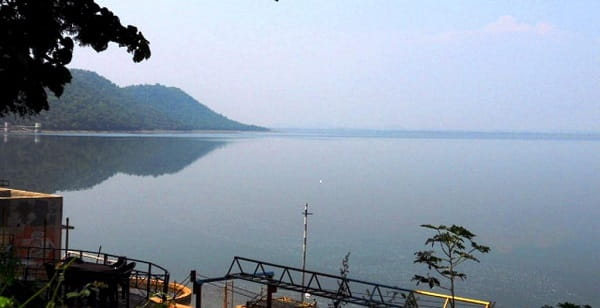
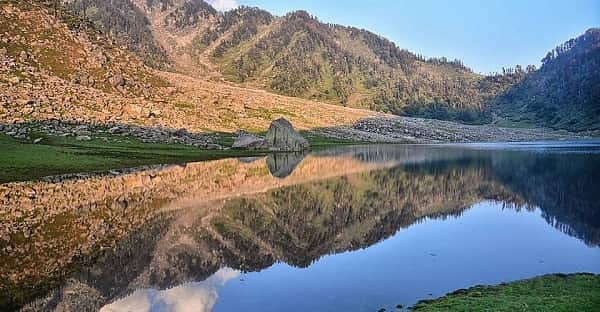
Kareri Lake (also spelled Kari Lake) is a stunning high-altitude glacial lake nestled in the Dhauladhar range of the Himalayas. Located near Dharamshala in Kangra district, it is a popular trekking destination known for its crystal-clear waters, dramatic mountain backdrop, and pristine natural beauty. At an elevation of approximately 3,000 meters (9,843 feet), the lake offers a peaceful and adventurous escape for trekkers and nature lovers.
Quick Overview — Kareri Lake Himachal Pradesh
| Detail | Information |
| Location | Kareri Village, Kangra District, Himachal Pradesh |
| Altitude | 3,000 meters (9,843 feet) |
| Type | High-Altitude Glacial Lake |
| Timings | Open 24 hours (Best visited during daylight) |
| Entry Fee | Free (Trekking permit may be required) |
| Best Time to Visit | May to June & September to October |
| Nearest Town | Dharamshala / McLeod Ganj (~12–15 km trek) |
Location of Kareri Lake
Kareri Lake lies in a remote and scenic valley in the Dhauladhar Himalayas, about 12–15 km from McLeod Ganj (Dharamshala). The lake is surrounded by snow-capped peaks, alpine meadows, and dense rhododendron forests. It is fed by glacial melt and remains frozen during winter.
The area is rich in biodiversity and offers breathtaking views of the Dhauladhar range. Many trekkers camp near the lake and enjoy the peaceful, spiritual atmosphere of the high mountains.
Directions to Kareri Lake
Reaching Kareri Lake involves a moderate to challenging trek.
- From Dharamshala / McLeod Ganj: Drive or take a taxi to Kareri village (about 12 km by road), then trek 12–15 km (5–7 hours) to the lake.
- Trek Route: Kareri Village → Raisan → Kareri Lake.
- From Pathankot Railway Station: First reach Dharamshala (90 km), then proceed to Kareri.
- From Gaggal Airport (Dharamshala): 25 km to McLeod Ganj, then trek.
The trek is best done with a local guide or as part of an organized group. Basic guesthouses and camping sites are available at Kareri village and near the lake.
Timings and Activities
Kareri Lake is accessible 24 hours, but trekkers usually start early in the morning and reach by afternoon.
Main Activities:
- High-altitude trekking
- Camping and stargazing near the lake
- Photography of the lake and Himalayan peaks
- Nature walks and exploring alpine meadows
- Birdwatching and wildlife spotting
- Experiencing the serene mountain environment
The best time for clear views is early morning.
Nearby Places
Kareri Lake is often part of a larger trekking circuit:
- Kareri Village — Base camp with guesthouses
- McLeod Ganj — Home of the Dalai Lama and Tibetan community (~15 km trek)
- Triund — Popular trekking destination (~20 km away)
- Bhagsunag Waterfall & Temple — Sacred site near McLeod Ganj
- Dharamshala — District headquarters with beautiful views
FAQs — Kareri Lake Himachal Pradesh
Q1. What are the best timings to visit Kareri Lake?
A: Reach during daylight hours. Most trekkers start early morning from Kareri village and return or camp at the lake.
Q2. Is a permit required for Kareri Lake?
A: No special permit is needed for Indian citizens. Foreign nationals should check with local authorities as the area is near sensitive zones.
Q3. How difficult is the trek to Kareri Lake?
A: It is a moderate trek. Fit trekkers can complete it in 5–7 hours. Proper trekking shoes and acclimatization are essential.
Q4. When is the best time to visit Kareri Lake?
A: May to June (after snow melts) and September to October offer the best conditions. Winters make the trek extremely difficult due to snow.
Q5. What should I carry for the Kareri Lake trek?
A: Warm layers, rain cover, trekking shoes, snacks, water, first-aid kit, and a good backpack. Altitude can cause discomfort, so stay hydrated.
Kareri Lake is a pristine Himalayan treasure that rewards every trekker with its untouched beauty and peaceful surroundings. It is perfect for adventure enthusiasts and those seeking a genuine connection with nature in the Dhauladhar range. Always trek responsibly and respect the fragile mountain ecosystem.