If you are planning to bring home a large, intelligent guard dog in India, you may come across two familiar names: Alsatian and German Shepherd. Pet advertisements, local breeders and even experienced dog owners sometimes speak about them as though they are two separate breeds. This naturally creates questions about which is bigger, more intelligent, better for families or more suitable for Indian weather.
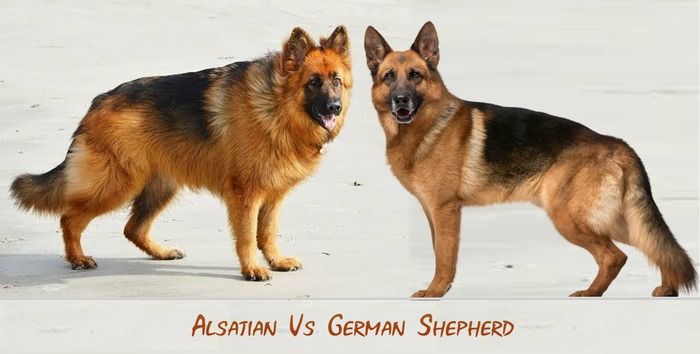
The surprising answer is simple: an Alsatian and a German Shepherd are essentially the same breed. “Alsatian” is an alternative historical name that became popular in Britain and some other countries, while German Shepherd Dog (GSD) is the breed name widely used today.
Therefore, there is no genuine Alsatian-vs-German-Shepherd winner based purely on those names. What matters much more is the dog’s lineage, health, temperament, socialisation, training and whether you can meet the needs of this active working breed.
For Indian families considering a GSD, understanding these factors is far more useful than choosing between two labels.
Alsatian vs German Shepherd: Quick Comparison
| Feature | Alsatian | German Shepherd |
|---|---|---|
| Breed | German Shepherd Dog | German Shepherd Dog |
| Separate Breed? | No | No |
| General Size | Same breed range | Same breed range |
| Intelligence | Same breed characteristics | Same breed characteristics |
| Temperament | Depends on individual dog | Depends on individual dog |
| Guarding Ability | Excellent with suitable temperament/training | Excellent with suitable temperament/training |
| Grooming | Moderate to High | Moderate to High |
| Exercise Requirement | High | High |
| Trainability | High | High |
| Suitable for India? | Yes, with proper care | Yes, with proper care |
| Better Choice | Depends on individual dog | Depends on individual dog |
Are Alsatian and German Shepherd the Same Dog?
Yes. In normal modern usage, Alsatian refers to the German Shepherd Dog rather than a separate recognised breed with its own unique characteristics.
The German Shepherd breed originated in Germany and was developed primarily as a versatile working dog.
During the period surrounding the World Wars, anti-German sentiment made the breed’s German name less appealing in Britain. The name “Alsatian” became widely used and remained familiar for decades.
Over time, German Shepherd Dog again became the standard and internationally familiar name.
In India, however, “Alsatian” remains part of everyday vocabulary. Some people still call large or traditionally built German Shepherds Alsatians.
That does not create a separate breed.
Why Do Some Alsatians and German Shepherds Look Different?
This is where much of the confusion begins.
Two German Shepherds can look noticeably different even though both belong to the same breed.
Differences can arise from:
- Genetics
- Breeding lines
- Sex
- Age
- Nutrition
- Coat type
- Body condition
- Breeding quality
German Shepherds have also been bred for different purposes.
Some breeding lines emphasise working ability, while others place greater emphasis on appearance and conformation.
As a result, one GSD may have a relatively athletic working-dog appearance while another may have different body proportions.
Calling one of them an “Alsatian” does not explain these differences accurately.
If appearance matters to you, ask about the dog’s actual lineage and parents rather than relying on the Alsatian label.
Size and Physical Appearance
Because they are the same breed, there is no standard rule saying an Alsatian should be larger than a German Shepherd.
German Shepherds are medium-to-large dogs with a strong, muscular and athletic build.
Common physical features include:
- Upright ears in mature dogs
- Long muzzle
- Strong body
- Bushy tail
- Double coat
- Athletic movement
Coat colours can vary within recognised breed characteristics, with black-and-tan combinations being particularly familiar to Indian dog owners.
Some GSDs may also have longer coats.
Never assume that an unusually large or heavy German Shepherd is automatically better bred. Functional structure, healthy body condition and sound movement are more important than simply producing the biggest possible dog.
Temperament: Is One More Aggressive?
An Alsatian is not naturally more aggressive than a German Shepherd because, again, they are the same breed.
German Shepherds are generally known for being:
- Intelligent
- Alert
- Loyal
- Confident
- Trainable
- Protective
- Energetic
However, temperament varies between individual dogs.
Genetics, early experiences, socialisation and training can all influence behaviour.
A poorly socialised GSD may become fearful, reactive or difficult to manage. A well-bred, properly socialised and responsibly trained German Shepherd can be confident and controlled.
A good guard dog should not simply attack everything unfamiliar.
Stable temperament and responsiveness to the owner are much more desirable than uncontrolled aggression.
Which Is Better for Family Life?
Since both names describe the same breed, either can potentially make an excellent family dog.
The more important question is whether a German Shepherd suits your family.
GSDs often develop strong relationships with household members and can be affectionate companions.
However, families need to provide:
- Daily physical exercise
- Mental stimulation
- Consistent training
- Social interaction
- Adequate space and enrichment
- Regular grooming
- Veterinary care
German Shepherds are not ideal for households wanting a dog that can remain inactive for most of the day.
Children should also be taught how to interact respectfully with dogs, and interactions between young children and large dogs should be appropriately supervised.
Which Is Better as a Guard Dog?
There is no difference based on the Alsatian or German Shepherd name.
German Shepherds have a long history of working in roles involving protection, security, police work and other demanding tasks.
Their combination of intelligence, physical ability and trainability can make them effective watchdogs and protection dogs.
But simply owning a GSD does not guarantee good guarding behaviour.
Poorly designed protection training can create serious behavioural problems.
For household security, focus on:
- Stable temperament
- Basic obedience
- Proper socialisation
- Controlled behaviour
- Professional training when necessary
Encouraging uncontrolled aggression is neither necessary nor responsible.
Training Requirements
German Shepherds are highly trainable, which is one reason they have been used in numerous working roles.
But intelligence comes with responsibility.
An intelligent dog that receives little exercise or mental stimulation can become bored and develop unwanted behaviours.
Training should begin early and focus on skills such as:
- Name recognition
- Recall
- Sit and stay
- Loose-leash walking
- Calm greetings
- Handling tolerance
- Appropriate behaviour around visitors
Reward-based, consistent training is generally preferable to harsh punishment.
Socialisation is equally important. Puppies should gradually have safe, positive experiences with different people, environments, sounds and everyday situations.
Exercise Needs: A Major Consideration
Before buying a German Shepherd because you like its appearance, consider whether you can provide enough activity.
A healthy adult GSD generally needs substantial daily physical and mental engagement.
This can include:
- Walks
- Structured play
- Training sessions
- Scent-based games
- Appropriate running or exercise
- Interactive activities
The exact amount should be adjusted for age, health and weather.
Young puppies should not be forced into excessive repetitive exercise while their bodies are developing.
Similarly, older dogs may require gentler routines.
Can German Shepherds Handle Indian Weather?
German Shepherds can live successfully in India, but their double coat means heat management deserves attention.
During hot weather:
- Provide constant access to clean water.
- Keep the dog in a cool, shaded environment.
- Avoid strenuous exercise during peak afternoon heat.
- Schedule walks for cooler morning or evening periods.
- Never leave the dog inside a parked vehicle.
- Watch carefully for signs of overheating.
Shaving the coat is not automatically the solution because a dog’s double coat has important functions. Discuss unusual coat or skin concerns with a veterinarian.
Indian summers can be severe, so responsible heat management is essential.
Grooming and Shedding
Whether someone calls the dog an Alsatian or GSD, expect shedding.
German Shepherds have a double coat and can shed considerably, particularly during periods of heavier seasonal shedding.
Regular brushing helps:
- Remove loose hair
- Reduce tangles
- Monitor skin condition
- Keep the coat manageable
They also need routine nail, dental and ear care.
If your family strongly dislikes dog hair around the home, this breed may not be the easiest choice.
Health Problems to Consider
German Shepherds can be predisposed to certain health problems, making responsible breeding particularly important.
Potential concerns include:
- Hip problems
- Elbow problems
- Degenerative conditions
- Digestive issues
- Skin problems
- Certain inherited disorders
This does not mean every GSD will develop these conditions.
However, buying solely on appearance or low price can increase risk if the breeder has paid little attention to health and temperament.
Ask about health screening of the parents and obtain veterinary records for the puppy.
Alsatian vs German Shepherd Price in India
There should not be a fixed price difference simply because a seller calls one puppy “Alsatian” and another “German Shepherd.”
Prices can vary significantly depending on:
- Breeder reputation
- Lineage
- Health screening
- Location
- Age
- Registration/pedigree documentation
- Training
- Overall quality
Be cautious if someone claims an “Alsatian” is a rare, separate premium breed and therefore deserves a dramatically higher price.
The terminology alone does not justify a premium.
Alsatian vs German Shepherd: Which Should You Choose?
You do not actually need to choose between them.
Instead, choose a healthy, well-socialised German Shepherd from a responsible source—or consider adopting a suitable GSD or GSD mix from a genuine rescue organisation.
Before bringing one home, make sure you can provide:
- Regular exercise
- Consistent training
- Mental stimulation
- Quality nutrition
- Grooming
- Veterinary care
- Heat protection
- Long-term companionship
The better dog is not the one advertised under the more impressive name. It is the individual dog with suitable health and temperament that matches your household and receives responsible lifelong care.
FAQs
1. Is an Alsatian different from a German Shepherd?
A. No. Alsatian is an alternative historical name for the German Shepherd Dog. In India, both terms are still commonly used, which sometimes creates the mistaken impression that they are separate breeds.
2. Why do some people say Alsatians are bigger than German Shepherds?
A. Individual GSDs can vary because of genetics, sex, breeding lines, nutrition and body condition. The name “Alsatian” does not describe a separate larger variety. Ask about actual lineage rather than relying on the label.
3. Is a German Shepherd suitable for a first-time dog owner?
A. It can be, provided the owner is committed to training, exercise, socialisation and responsible management. Because GSDs are large, intelligent and energetic, they may be demanding for someone wanting an easy, low-activity pet.
4. Is a German Shepherd suitable for an apartment in India?
A. It can live in an apartment if its physical exercise, mental stimulation and toilet needs are consistently met. Apartment size alone is not the deciding factor. Daily routine, training and access to appropriate outdoor activity matter considerably more.