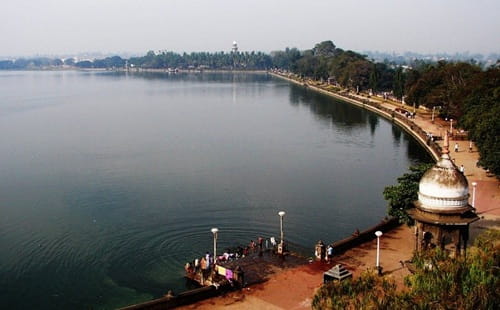
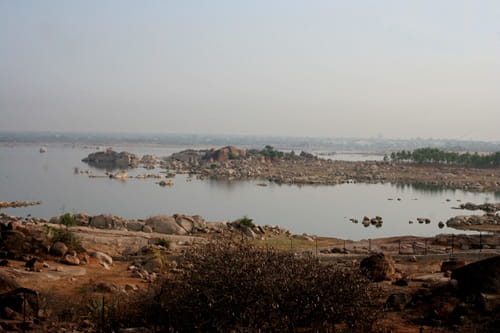
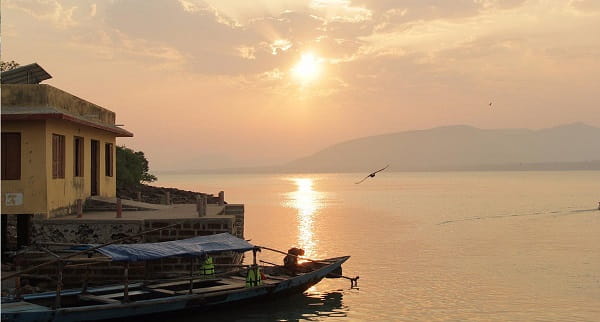
The Kaveri River is one of the most important rivers of southern India, supporting agriculture, drinking water supply, hydropower generation and the daily lives of millions of people. From the green hills of Karnataka to the fertile delta of Tamil Nadu, the river passes through landscapes where farming, towns, temples and local economies have developed around its water for generations.
Also commonly written as the Cauvery River, the Kaveri originates in the Western Ghats and travels for about 800 km before reaching the Bay of Bengal. Along the way, it receives water from several major tributaries, including the Kabini, Hemavati, Bhavani and Amaravati. The river is especially important for Karnataka and Tamil Nadu, while its wider basin also extends into Kerala and the Union Territory of Puducherry.
Understanding the Kaveri River is useful not only from a geography perspective but also because the river plays a major role in irrigation, water management, electricity generation and the economy of southern India.
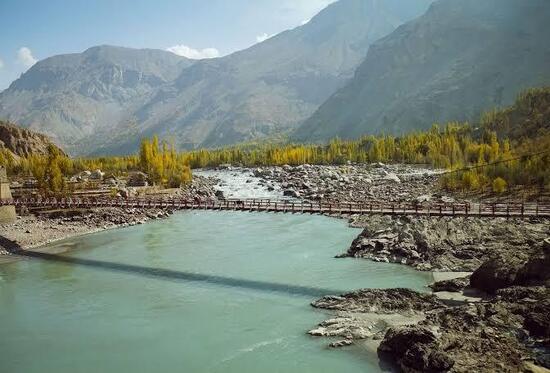
Kaveri River Overview
| Particular | Details |
|---|---|
| River Name | Kaveri or Cauvery |
| Origin | Talakaveri, Brahmagiri Hills |
| Origin District | Kodagu district, Karnataka |
| Mountain Range | Western Ghats |
| Approximate Length | About 800 km |
| Major Flowing States | Karnataka and Tamil Nadu |
| Basin Region | Karnataka, Tamil Nadu, Kerala and Puducherry |
| Major Tributaries | Kabini, Hemavati, Harangi, Shimsha, Arkavati, Bhavani, Noyyal and Amaravati |
| Mouth | Bay of Bengal |
| Major Delta Region | Cauvery Delta in Tamil Nadu |
| River Type | Peninsular river |
Where Does the Kaveri River Originate?
- The Kaveri River originates at Talakaveri, located in the Brahmagiri Hills of the Western Ghats in Kodagu district of Karnataka. The source is situated at an elevation of more than 1,300 metres above sea level.
- Talakaveri is not simply a geographical location. It is also an important pilgrimage destination, and the Kaveri is considered a sacred river by many communities in southern India. A small sacred tank and shrine mark the traditional source of the river.
- From the hilly and heavily vegetated region of Kodagu, the river begins its journey through Karnataka. Rainfall in the Western Ghats and seasonal monsoon conditions play an important role in feeding the river and its tributaries.
Important facts about the Kaveri’s origin:
- It originates at Talakaveri in Karnataka.
- Talakaveri lies in the Brahmagiri range of the Western Ghats.
- The source is located in Kodagu district.
- The region receives significant monsoon rainfall.
- Talakaveri has considerable religious and cultural importance.
What Is the Length of the Kaveri River?
- The Kaveri River has a total length of approximately 800 kilometres from its source in Karnataka to its mouth on the eastern coast of Tamil Nadu.
- Although it is much shorter than major Himalayan rivers such as the Ganga and Brahmaputra, the Kaveri is extremely important because it flows through regions where river water is extensively used for agriculture and human settlements.
- The river ultimately reaches the Bay of Bengal after developing an extensive delta system in Tamil Nadu.
Which States Does the Kaveri River Flow Through?
The main course of the Kaveri flows primarily through Karnataka and Tamil Nadu.
Karnataka
Karnataka is the state where the Kaveri begins. From Kodagu, the river moves through different parts of southern Karnataka and is joined by several tributaries.
Important places and water projects associated with the Kaveri system in Karnataka include:
- Talakaveri
- Srirangapatna
- Shivanasamudra
- Krishna Raja Sagara (KRS) Dam
- Kabini reservoir region
The river provides water for irrigation, cities and hydroelectric power generation in the state.
Tamil Nadu
- After flowing through Karnataka, the Kaveri enters Tamil Nadu. Here, it becomes especially significant for irrigation.
- At Hogenakkal, the river creates a famous series of waterfalls before continuing through Tamil Nadu. Further downstream, the river system supports extensive agricultural areas.
- Near the lower reaches, the Kaveri divides into different channels and forms the fertile Cauvery Delta, one of Tamil Nadu’s major agricultural regions.
Kerala and Puducherry
- The main channel of the Kaveri does not flow across Kerala in the same manner as it flows through Karnataka and Tamil Nadu. However, parts of the Kaveri river basin extend into Kerala, particularly through tributary catchments.
- Similarly, the Kaveri basin extends into the Union Territory of Puducherry, especially the Karaikal region in the lower delta system.
- Therefore, it is useful to distinguish between the states through which the main river flows and the regions covered by the wider Kaveri basin.
Major Tributaries of the Kaveri River
The Kaveri is supported by numerous tributaries originating in the Western Ghats and other parts of southern India. These tributaries increase the river’s water flow and expand its drainage basin.
1. Kabini River
The Kabini is one of the major tributaries of the Kaveri. Its catchment is associated with parts of Kerala and Karnataka before the river joins the Kaveri in Karnataka.
The Kabini reservoir is also an important component of regional water management.
2. Hemavati River
The Hemavati River originates in the Western Ghats in Karnataka and is another important tributary of the Kaveri.
The Hemavati reservoir and dam system supports irrigation and water supply in parts of Karnataka.
3. Harangi River
The Harangi is a tributary originating in the Kodagu region. The Harangi Dam is an important irrigation project in Karnataka and contributes to the broader Kaveri water system.
4. Shimsha River
The Shimsha River flows through Karnataka and joins the Kaveri. The river is historically associated with hydroelectric power generation in the region.
5. Arkavati River
The Arkavati is another tributary in Karnataka. It eventually joins the Kaveri and forms part of the larger river basin.
6. Bhavani River
The Bhavani River is a major tributary that joins the Kaveri in Tamil Nadu. Its catchment includes areas associated with the Western Ghats and is important for irrigation.
The meeting point of the Bhavani and Kaveri rivers at Bhavani town has religious significance.
7. Noyyal River
The Noyyal River flows through western Tamil Nadu and eventually joins the Kaveri. Its basin passes through important urban and industrial areas, including the Coimbatore and Tiruppur regions.
8. Amaravati River
The Amaravati River is another significant tributary of the Kaveri in Tamil Nadu. It supports irrigation and agriculture before joining the main river.
Course of the Kaveri River from Origin to Sea
The journey of the Kaveri can broadly be understood in three stages.
- Upper course: The river begins in the Western Ghats at Talakaveri. It travels through the hilly terrain of Kodagu and then enters the broader plains of Karnataka.
- Middle course: As it moves through southern Karnataka, tributaries such as the Hemavati, Kabini and Shimsha contribute to its flow. The river passes through important locations such as Srirangapatna and Shivanasamudra.At Shivanasamudra, the river forms impressive waterfalls. This region also has historical importance in India’s hydroelectric power development.The Kaveri then moves towards the Karnataka-Tamil Nadu region and reaches Hogenakkal, where another spectacular waterfall system is formed.
- Lower course: In Tamil Nadu, the river passes through important agricultural regions. The Kaveri system eventually branches into distributaries and channels as it approaches the delta.
The Kollidam (Coleroon) becomes an important northern distributary of the river system. The delta spreads across parts of eastern Tamil Nadu before the river waters finally enter the Bay of Bengal.
Important Dams on the Kaveri River System
Several dams and reservoirs have been constructed on the Kaveri and its tributaries to store water and support irrigation, drinking water requirements and electricity generation.
Some important projects include:
- Krishna Raja Sagara (KRS) Dam – Karnataka
- Mettur Dam – Tamil Nadu
- Kabini Dam – Karnataka
- Hemavati Dam – Karnataka
- Harangi Dam – Karnataka
- Bhavanisagar Dam – Tamil Nadu
- Amaravathi Dam – Tamil Nadu
Among these, the Mettur Dam, constructed across the Kaveri in Tamil Nadu, is particularly important for regulating water used in the state’s agricultural areas.
Importance of the Kaveri River for Agriculture
Agriculture is one of the biggest reasons for the economic importance of the Kaveri.
The river and its network of canals provide irrigation to agricultural land across Karnataka and Tamil Nadu. The lower Kaveri basin and delta are particularly known for intensive farming.
Water from the river supports crops such as:
- Paddy
- Sugarcane
- Banana
- Coconut
- Turmeric
- Vegetables
- Pulses and other seasonal crops
The Cauvery Delta has traditionally been one of Tamil Nadu’s important rice-producing regions. The timing and availability of river water can therefore directly affect farmers and agricultural production.
Religious and Cultural Importance of the Kaveri
- The Kaveri has a deep cultural identity in southern India and is revered as a sacred river.
- Important religious locations developed along or near its banks, including Talakaveri and Srirangapatna, while several temple towns in Tamil Nadu are closely connected with the river and its branches.
- Srirangam, near Tiruchirappalli, is particularly significant. The island is situated between the Kaveri and Kollidam rivers and is home to the famous Sri Ranganathaswamy Temple.
- The river is therefore connected not only with physical geography but also with pilgrimage, festivals, traditions and the historical development of settlements.
Why Is the Kaveri River So Important?
The importance of the Kaveri extends far beyond its approximately 800-km length.
It contributes to:
- Irrigation: Supplies water to extensive agricultural areas.
- Drinking water: Supports the water needs of many towns, cities and villages.
- Hydroelectricity: The river system has been used for power generation.
- Agriculture: Supports major farming regions, particularly the Cauvery Delta.
- Biodiversity: Its catchment includes forests, wetlands and aquatic habitats.
- Culture and religion: Numerous temples and pilgrimage centres are associated with the river.
- Local economy: Farming and other economic activities depend significantly on reliable river water.
The Kaveri’s importance also makes water management a sensitive issue, particularly during years of weak monsoon rainfall when available water must meet competing agricultural, urban and environmental requirements.
FAQs About the Kaveri River
1. Where does the Kaveri River start and end?
A. The Kaveri River starts at Talakaveri in the Brahmagiri Hills of Kodagu district, Karnataka. It travels across southern India and ultimately drains into the Bay of Bengal through its delta region in Tamil Nadu.
2. What is the total length of the Kaveri River?
A. The Kaveri River is approximately 800 kilometres long. It begins in the Western Ghats and travels eastward towards the Bay of Bengal.
3. Which are the major tributaries of the Kaveri River?
A. Important tributaries of the Kaveri include the Kabini, Hemavati, Harangi, Shimsha, Arkavati, Bhavani, Noyyal and Amaravati rivers. These tributaries contribute significantly to the river’s overall drainage system.
4. Does the Kaveri River flow through Kerala?
A. The main course of the Kaveri primarily flows through Karnataka and Tamil Nadu. However, part of the Kaveri river basin and the catchments of some tributaries extend into Kerala. The overall basin also covers a small area of Puducherry.