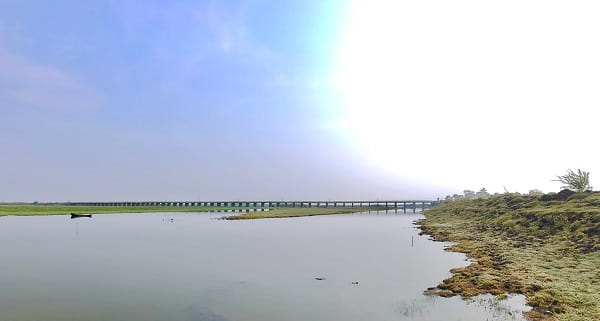
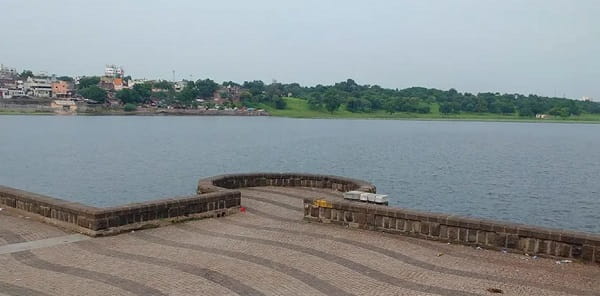
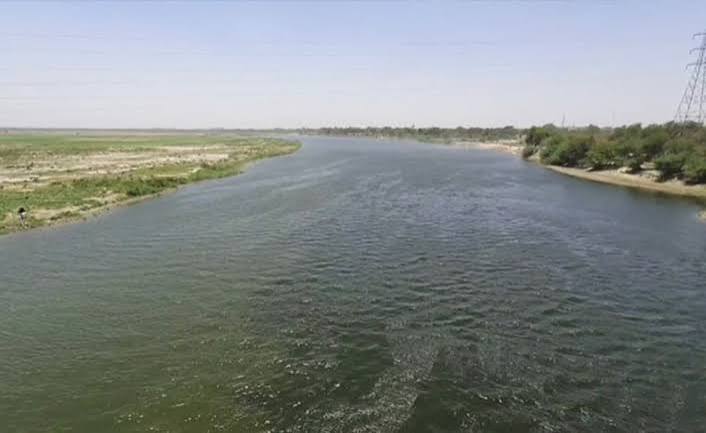
The Yamuna River is one of the most important rivers of northern India and the largest major tributary of the Ganga. From its Himalayan source in Uttarakhand, the river travels through mountain valleys, agricultural plains and some of India’s most populated urban regions before meeting the Ganga at Prayagraj. Cities such as Delhi, Mathura and Agra are closely connected with the Yamuna, making it important for drinking water, irrigation, culture, religion and the economy.
The Yamuna originates from the Yamunotri Glacier region in Uttarkashi district of Uttarakhand. From there, it descends through the Himalayas and enters the northern plains before flowing along or through Haryana, Delhi and Uttar Pradesh. The river is approximately 1,376 km long and eventually joins the Ganga at the famous Triveni Sangam in Prayagraj.
Major tributaries such as the Tons, Chambal, Sind, Betwa and Ken create an extensive drainage network extending into several states. Understanding the Yamuna’s origin, tributaries, length and flowing states is important because the river is not only a major geographical feature but also a crucial freshwater resource for millions of people.
Yamuna River Overview
| Particular | Details |
|---|---|
| River Name | Yamuna River |
| River System | Ganga River System |
| River Type | Perennial Himalayan river |
| Origin | Yamunotri Glacier region |
| Origin District | Uttarkashi, Uttarakhand |
| Approximate Length | 1,376 km |
| Main States/UT Along Course | Uttarakhand, Himachal Pradesh boundary region, Haryana, Delhi and Uttar Pradesh |
| Major Tributaries | Tons, Chambal, Sind, Betwa, Ken and Hindon |
| Important Cities | Delhi, Mathura, Agra and Prayagraj |
| Final Confluence | Ganga River at Prayagraj |
| Famous Confluence | Triveni Sangam |
| Religious Importance | One of India’s sacred rivers |
Where Does the Yamuna River Originate?
The Yamuna originates in the Yamunotri Glacier region, located in the western Himalayas of Uttarakhand.
The glacier lies near the Bandarpunch mountain massif in Uttarkashi district. The traditional and religious source of the river is associated with Yamunotri, one of the Char Dham pilgrimage destinations of Uttarakhand.
The river begins at a high elevation and flows through steep Himalayan valleys before gradually descending towards the plains.
Snow and glacier melt contribute to its upper flow, while rainfall and tributaries provide additional water along its journey.
Important facts about the Yamuna’s origin:
- It originates in the Yamunotri Glacier region.
- Its source is in Uttarkashi district, Uttarakhand.
- The source lies close to the Bandarpunch massif.
- Yamunotri is an important Hindu pilgrimage destination.
- The Yamuna belongs to the Ganga drainage system.
- It eventually joins the Ganga at Prayagraj.
What Is the Length of the Yamuna River?
The Yamuna River is approximately 1,376 kilometres long from its Himalayan source to its confluence with the Ganga at Prayagraj.
Its long course crosses very different geographical environments. In Uttarakhand, it is a fast-flowing Himalayan river. Further downstream, it enters the flat and densely populated plains of northern India.
Its drainage basin is much larger than the area covered by the main river because major tributaries collect water from states such as Rajasthan and Madhya Pradesh before eventually reaching the Yamuna.
Which States Does the Yamuna River Flow Through?
The Yamuna’s main course and boundary stretches are associated with several states and one Union Territory.
These include:
- Uttarakhand
- Himachal Pradesh boundary region
- Haryana
- Delhi
- Uttar Pradesh
The river also forms state boundaries along parts of its route rather than flowing entirely within one state.
1.Uttarakhand
The Yamuna begins in Uttarakhand and travels through the western Himalayan region.
Several mountain streams join the river before it reaches lower elevations. The Tons River, its largest Himalayan tributary, joins the Yamuna in this region.
2.Himachal Pradesh and Haryana Region
In parts of its upper course, the Yamuna is associated with the boundary between Himachal Pradesh and Uttarakhand, and farther downstream with Haryana and Uttar Pradesh.
Near the foothills, the river enters the plains around the Haryana-Uttar Pradesh region.
3.Haryana
The Yamuna forms a significant part of the eastern boundary of Haryana.
Its water is extremely important for irrigation and drinking-water systems in the region.
Barrages and canals help divert and distribute Yamuna water across agricultural and urban areas.
4.Delhi
The Yamuna then enters the National Capital Territory of Delhi.
Although the Delhi stretch represents only a relatively small portion of the river’s total length, it is one of its most discussed sections because millions of people live in the surrounding metropolitan area.
The river is an important component of Delhi’s water resources, while sewage, waste and urban pollution create serious environmental challenges.
5.Uttar Pradesh
After Delhi, the Yamuna continues through or along Uttar Pradesh.
It passes important cities including:
- Mathura
- Agra
- Etawah
- Prayagraj
At Prayagraj, it finally joins the Ganga River at the Triveni Sangam.
Major Tributaries of the Yamuna River
The Yamuna receives water from Himalayan as well as Peninsular tributaries.
1. Tons River
- The Tons River is the most important tributary of the upper Yamuna.
- It originates in the Himalayan region and joins the Yamuna in Uttarakhand. Its catchment receives water from snowmelt and rainfall.
2. Chambal River
- The Chambal is one of the largest and most significant tributaries of the Yamuna.
- It originates in Madhya Pradesh and flows through or along Madhya Pradesh, Rajasthan and Uttar Pradesh before joining the Yamuna.
- The Chambal basin is famous for its ravines and important wildlife habitats.
3. Sind River
- The Sind River originates in Madhya Pradesh and flows northwards before joining the Yamuna system.
- It forms part of the broader drainage network of central India.
4. Betwa River
- The Betwa originates in Madhya Pradesh and flows through the Bundelkhand region.
- It passes through Madhya Pradesh and Uttar Pradesh before joining the Yamuna.
- Historic places such as Orchha are closely associated with the Betwa.
5. Ken River
- The Ken River also originates in Madhya Pradesh and flows through the Bundelkhand region before joining the Yamuna in Uttar Pradesh.
- Its basin includes important natural landscapes and wildlife areas.
6. Hindon River
- The Hindon River flows through western Uttar Pradesh and joins the Yamuna.
- It passes through heavily populated and industrialised regions, making pollution management an important concern.
Course of the Yamuna from Source to Prayagraj
The Yamuna’s journey can broadly be divided into three stages.
1.Upper Himalayan Course
- From Yamunotri, the river descends through mountainous Uttarakhand. Its channel is relatively narrow and fast-flowing.
- Mountain streams and the Tons River add water to the main channel.
2.Upper and Middle Plains
- After emerging from the Himalayas, the Yamuna enters the northern plains.
- Barrages regulate its flow and divert water into irrigation canals. The river travels along Haryana and Uttar Pradesh before passing through Delhi.
- It then continues towards Mathura and Agra.
3.Lower Course
- Further downstream, major tributaries from central India—including the Chambal, Sind, Betwa and Ken—join the Yamuna.
- These tributaries significantly increase its drainage area.
- The Yamuna finally reaches Prayagraj, where it meets the Ganga.
Yamuna and Triveni Sangam
The confluence of the Yamuna and Ganga at Prayagraj is known as the Triveni Sangam.
According to Hindu tradition, the invisible Saraswati is also believed to meet the two rivers here.
The Sangam is one of India’s most important pilgrimage locations and is especially significant during the Kumbh Mela and Magh Mela.
Pilgrims from across India visit the site to take a ritual bath at the confluence.
Importance of the Yamuna for Agriculture
The Yamuna plays a major role in the agricultural economy of northern India.
Its water is distributed through canals and irrigation infrastructure to support farming across the plains.
Important crops supported by the Yamuna system include:
- Wheat
- Paddy
- Sugarcane
- Mustard
- Vegetables
- Pulses
- Other seasonal crops
The Western Yamuna Canal and Eastern Yamuna Canal are important components of the region’s irrigation network.
Religious and Cultural Importance of the Yamuna
The Yamuna is regarded as a sacred river in Hinduism and is worshipped as Goddess Yamuna.
Its religious significance is especially strong in the Mathura-Vrindavan region, which is closely associated with the life and traditions of Lord Krishna.
Important religious places connected with the river include:
- Yamunotri
- Mathura
- Vrindavan
- Bateshwar
- Prayagraj
The river has influenced festivals, rituals, literature, art and religious traditions for centuries.
Pollution and Conservation of the Yamuna
Pollution is one of the biggest challenges facing the Yamuna, particularly in densely populated urban areas.
Major concerns include:
- Untreated or inadequately treated sewage
- Industrial effluents
- Solid waste
- Plastic pollution
- Reduced freshwater flow in some stretches
- Encroachment and pressure on floodplains
Cleaning the river requires a combination of improved sewage treatment, industrial pollution control, better waste management and protection of natural floodplains.
A healthier Yamuna is essential not only for biodiversity but also for the millions of people who depend on the river system.
Why Is the Yamuna River Important?
The Yamuna has enormous geographical, economic and cultural value.
Its major contributions include:
- Drinking water: Supports major urban populations.
- Irrigation: Provides water to extensive agricultural areas.
- Ganga tributary: Forms one of the largest components of the Ganga river system.
- Religious importance: Sacred sites are located throughout its course.
- Agriculture: Supports farming across northern India.
- Biodiversity: The river and its tributaries support aquatic and floodplain ecosystems.
- Historical importance: Major cities and settlements developed along its banks.
FAQs About the Yamuna River
Q1. Where does the Yamuna River start and end?
A. The Yamuna originates from the Yamunotri Glacier region in Uttarkashi district of Uttarakhand. It travels for approximately 1,376 km before joining the Ganga River at Prayagraj in Uttar Pradesh.
Q2. Which states does the Yamuna River flow through?
A. The Yamuna’s main course and boundary stretches are associated with Uttarakhand, Himachal Pradesh, Haryana and Uttar Pradesh, as well as the Union Territory of Delhi. Its wider basin also extends into states such as Madhya Pradesh and Rajasthan through tributaries.
Q3. Which is the largest tributary of the Yamuna?
A. The Tons is the largest Himalayan tributary of the Yamuna, while major Peninsular tributaries include the Chambal, Betwa, Sind and Ken. These rivers contribute significantly to the Yamuna’s overall drainage basin.
Q4. Does the Yamuna flow past the Taj Mahal?
A. Yes. The Yamuna flows directly behind the Taj Mahal in Agra. The river is an important part of the monument’s historic setting and the landscape in which the Taj Mahal complex was originally planned.