If you’ve ever visited Rourkela and wondered how one of India’s largest integrated steel plants gets its water supply, Mandira Dam is where that story begins. Tucked into the hills near Kansbahal, this dam doesn’t just look like a smaller cousin of the famous Hirakud Dam — it was literally built by the same authority using a similar architectural style, and it remains one of Odisha’s most peaceful weekend getaways for anyone within driving distance of Rourkela.
Quick Overview
| Detail | Information |
| Also Known As | “Hirakud’s Daughter” |
| River | Sankh River, a tributary of the Brahmani |
| Location | Near Kansbahal, Sundargarh district, Odisha |
| Distance from Rourkela | Around 26–40 km |
| Nearest Airport | Birsa Munda Airport, Ranchi |
| Built By | Hirakud Project Authority |
| Construction Period | 1957–1959 |
| Dam Height | 67 metres |
| Dam Length | 845 metres |
| Primary Purpose | Water supply to Rourkela Steel Plant, flood control, irrigation |
| Families Displaced | 2,400 (only 843 resettled) |
| Visiting Hours | Generally 8:00 AM to 6:00 PM |
| Best Time to Visit | November to June |
Where Mandira Dam Is Located
Mandira Dam sits near Kansbahal in Sundargarh district, Odisha, roughly 26 to 40 kilometres from Rourkela depending on the exact route you take. It’s positioned close to the mouth of a gorge where the Sankh River begins a particularly scenic stretch of its journey, framed by hills on either side.
Getting here typically means driving via the Biju Expressway Toll Gate near Laing, though an alternate route through Kuarmunda passes through several small villages including Baniguni, Dumerjore, and Usra Colony. Public transport doesn’t directly serve the dam, so a private vehicle or hired taxi is genuinely necessary for the final stretch. Birsa Munda Airport in Ranchi remains the nearest air link for visitors coming from outside the region.
The River Behind This Steel City’s Water Supply
The dam is built across the Sankh River, a tributary of the Brahmani River that flows through Jharkhand, Chhattisgarh, and Odisha before eventually meeting the Koel River, covering roughly 240 kilometres in total. This particular stretch, where the river passes through a narrow gorge near Kansbahal, made an ideal site for dam construction, with hills naturally framing the reservoir.
Water from this reservoir serves genuinely critical purposes beyond scenery. It supplies the Rourkela Steel Plant, one of India’s major combined steel manufacturing facilities, alongside supporting irrigation and drinking water needs for surrounding communities, and contributing to flood control across the wider Mahanadi delta region.
A History Tied to the Hirakud Project
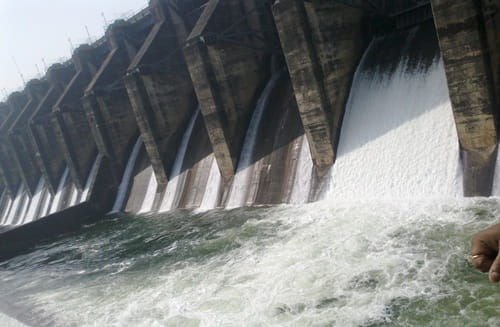
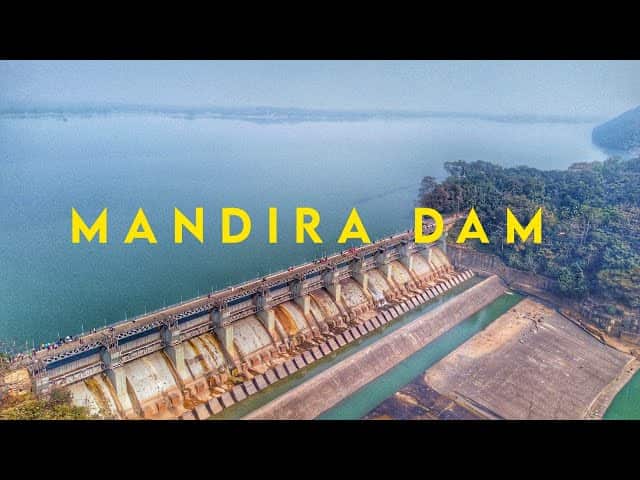
Mandira Dam was constructed by the Hirakud Project Authority between 1957 and 1959, built with a design and architectural style that genuinely mirrors its more famous counterpart, right down to the curved shape and angled spillways. This resemblance is exactly why locals affectionately call it “Hirakud’s Daughter,” a nickname that captures both the visual similarity and the shared engineering lineage between the two projects.
The dam’s construction prioritised the needs of Rourkela Steel Plant from the outset, with the facility relying heavily on Mandira’s water storage and transport capabilities to support its industrial operations. A gate-controlled spillway on the right saddle showcases genuinely impressive engineering, forming what’s known as the Mandira Kanan reservoir.
The Human Cost Behind This Project
It’s important to address this honestly rather than skip past it. Building Mandira Dam displaced 2,400 families from the surrounding region, and of these, only 843 were actually resettled. This represents a genuinely significant, largely unresolved human cost behind the dam’s construction, one that rarely gets mentioned in typical tourist descriptions but remains an important part of understanding this project’s full history.
What There Is to See and Do
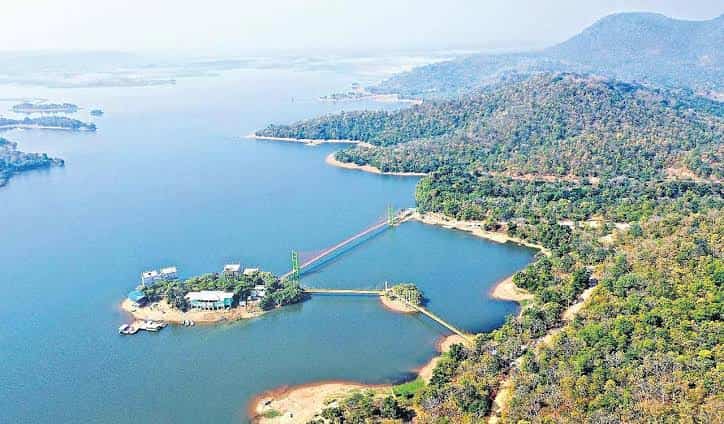
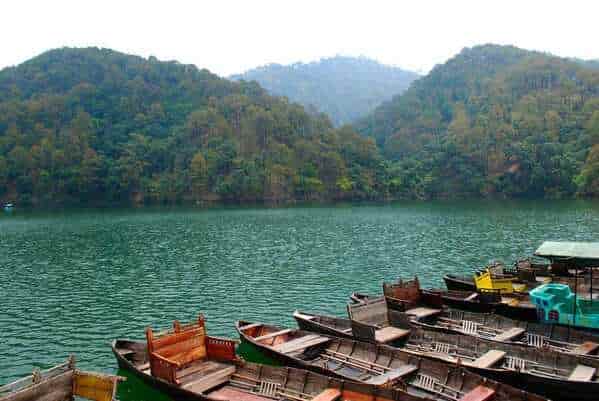
The setting here is genuinely the main draw — a large reservoir surrounded by forested hills, creating a peaceful, scenic atmosphere that feels considerably removed from Rourkela’s industrial character. Visitors can walk along sections of the dam with permission from the sentry on duty, and a Shiva temple near the canal gate approach adds a modest spiritual dimension to the visit.
A well-maintained park with lawns sits near the dam, and a guesthouse atop a nearby hill offers accommodation for those wanting to extend their stay. Picnic gardens along the canal side are available with prior permission and booking, while other picnic spots operate on a simple first-come, first-served basis. Some visitors specifically enjoy taking a dip in the water during warmer months, describing it as a genuinely refreshing experience, though this should always be approached with caution given the reservoir’s depth.
Practical Realities Worth Knowing
Since Rourkela Steel Plant’s water security depends directly on this dam, access here involves genuine security protocols. Visitors typically need permission to approach certain areas, and photography restrictions have been reported at various points, so it’s worth checking current rules before assuming you can freely photograph the site.
Food and drink stalls are essentially non-existent at the dam itself, so carrying your own snacks and water is genuinely necessary rather than optional. There’s also no shelter or seating directly at the site, making a portable chair or mat a sensible addition to your packing list if you’re planning an extended visit.
Timings and Entry Details
Most sources place general visiting hours between 8:00 AM and 6:00 PM daily. Visitors are not permitted to enter restricted zones for safety reasons, and littering or alcohol consumption is strictly prohibited across the site.
Best Time to Plan Your Visit
November through June is generally recommended as the ideal window, though winter months specifically draw the largest crowds for picnics, given the cooler, more comfortable weather for spending extended time outdoors. Some visitors do make summer trips specifically to enjoy the water, though this comes with the trade-off of considerably warmer daytime temperatures.
Conclusion
Mandira Dam offers something genuinely different from a typical Odisha tourist stop — a quiet, functional piece of industrial infrastructure that’s also managed to remain a beautiful, forest-framed escape for anyone near Rourkela. Whether you’re drawn by its “Hirakud’s Daughter” engineering story or simply want a peaceful afternoon by the water, it’s worth the drive, provided you go in with realistic expectations about facilities and access restrictions.
Frequently Asked Questions
Q1. Why is Mandira Dam called “Hirakud’s Daughter”?
A. It shares a strikingly similar architectural style with Hirakud Dam, including the curved shape and angled spillways, since both were built under the Hirakud Project Authority, giving Mandira this affectionate nickname among locals.
Q2. Do I need special permission to visit Mandira Dam?
A. Access to certain areas, particularly closer to the dam structure itself, often requires permission given its connection to Rourkela Steel Plant’s water supply. It’s advisable to check current requirements before your visit.
Q3. Is photography allowed at Mandira Dam?
A. This has varied across different visitor accounts, with some reporting restrictions near the dam structure. It’s worth confirming current photography rules with on-site staff before assuming full access.
Q4. What happened to the families displaced by this dam’s construction?
A. Of the 2,400 families displaced during construction, only 843 were resettled, representing a significant and largely unresolved human cost tied to the project’s history.
Q5. Are there food or dining options available near Mandira Dam?
A. No, food and drink stalls are essentially unavailable at the site itself, so carrying your own snacks and water is genuinely necessary for a comfortable visit.