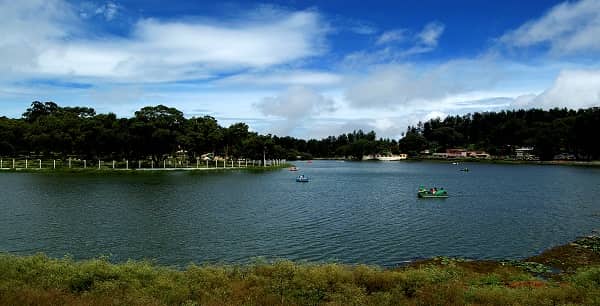
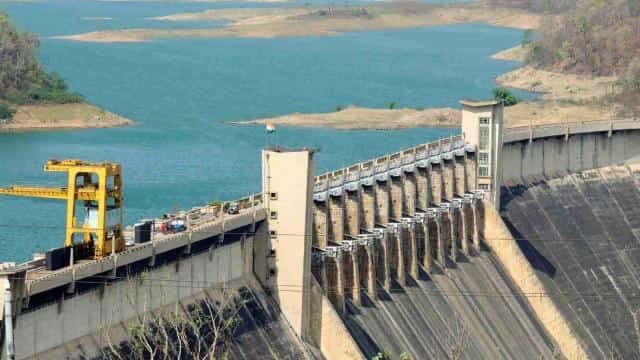
If you live in Chandigarh, Mohali, or Panchkula and feel like every weekend getaway list recycles the same five spots, Siswan Dam is the change of scenery you’ve probably been missing. Barely 20 kilometres from Sector 17, this reservoir sits tucked into Shivalik forest, home to fossils millions of years old, a genuine community reserve, and a bush-dining restaurant that’s quietly become a local favourite. If you’re planning a low-key day trip from the Tricity area, here’s everything worth knowing.
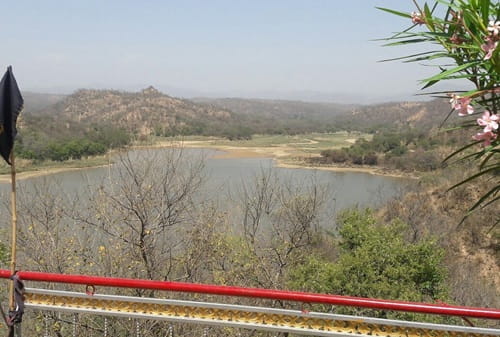
Siswan Dam, SAS Nagar Quick Overview
| Detail | Information |
| River | Siswan River (also called Siswan Choe), a tributary of the Ghaggar |
| Location | Siswan village, SAS Nagar (Mohali) district, Punjab |
| Distance from Chandigarh | Around 20 km |
| Distance from Panchkula | About 40 minutes by road |
| Distance from Mohali City | Roughly 20 km |
| Nearest Airport | Chandigarh Airport, about 38 km away |
| Nearest Railway Station | Chandigarh, around 40 km away |
| Construction Period | Late 1970s; completion dates vary (1981 and 1998 both cited) |
| Built By | Punjab Irrigation Department, with Central Water Commission and World Bank support |
| Dam Height | Around 24–25 metres |
| Dam Length | About 350 metres |
| Storage Capacity | Around 8.5 million cubic metres |
| Surrounded By | Siswan Community Reserve, established 2007, spanning around 2,800 hectares |
| Visiting Hours | Generally 7:00 AM to 7:00 PM (some sources note Tuesday to Sunday) |
| Entry Fee | Free to access the dam; boating and specific activities charged separately |
| Best Time to Visit | October to March |
Where Siswan Dam Is Located
Siswan Dam sits in Siswan village, part of SAS Nagar (Mohali) district in Punjab, right along the Chandigarh-Baddi road in the Kandi belt. It’s positioned in genuinely undulating, sub-mountainous terrain at the foothills of the Shivalik range, which explains why the drive here feels noticeably different from the flat plains surrounding Chandigarh itself.
Most visitors reach the dam via a straightforward drive from Chandigarh, Mohali, or Panchkula, with the journey from Panchkula typically taking around 40 minutes. Chandigarh Airport and railway station both serve as the nearest transport hubs, roughly 38 to 40 kilometres away.
The River Behind This Reservoir
The dam is built across the Siswan River, locally also referred to as the Siswan Choe, a seasonal stream typical of the Kandi region that eventually feeds into the larger Ghaggar river system. This area is characterised by numerous small and large seasonal streams, known locally as choes, which historically caused flash floods and considerable crop damage in nearby villages during monsoon.
Siswan Dam was specifically built to address this problem, regulating the river’s flow during heavy rainfall while simultaneously storing water for irrigation and drinking purposes across surrounding villages and towns.
A History Rooted in Flood Control and Irrigation
Construction on Siswan Dam began in the late 1970s, undertaken by the Punjab Irrigation Department with support from the Central Water Commission and, according to some sources, the World Bank. Completion dates vary somewhat across records, with some citing 1981 and others pointing to 1998 for the full completion of the dam along with its associated field water distribution system, so it’s worth treating the exact timeline as somewhat uncertain rather than definitively settled.
What’s consistent across sources is the dam’s core purpose: providing irrigation and drinking water to nearby villages while acting as a flood control measure for the flash-flood-prone Kandi area. This dual role has genuinely improved agricultural productivity and socio-economic conditions in the surrounding region since its construction.
The Siswan Community Reserve and Its Wildlife
What makes Siswan genuinely distinctive among Punjab’s dams is the protected forest area surrounding it. The Siswan Community Reserve, established in 2007, spans approximately 2,800 hectares, forming part of a broader 500-hectare-plus continuity with the larger Shivalik forest belt.
This reserve is home to a genuinely rich mix of flora and fauna, with tree species including sal, khair, kikar, neem, and jamun, alongside over 150 recorded bird species such as peafowl, kingfishers, herons, and eagles. Mammals like nilgai, sambar, chital, and jackals also inhabit the area, and reptile enthusiasts might spot cobras, pythons, or monitor lizards along the trails. The Punjab Forest Department manages this reserve, and much of the surrounding land remains under protections dating back to the Punjab Land Preservation Act of 1900.
A Genuine Fossil Treasure Trove
Here’s a detail that genuinely surprises most visitors — the Siswan area has yielded approximately 28 identified mammalian fossils, including remains believed to belong to ancient giraffes, camels, and elephants that roamed this region millions of years ago. This paleontological significance adds a layer of scientific interest to what might otherwise seem like a purely recreational dam visit.
What There Is to Do at Siswan Dam
Boating remains one of the most popular activities here, with both Shikara-style boats and paddle boats available at varying charges, letting visitors explore the reservoir at a relaxed pace. A dedicated nature trail, roughly 6 kilometres long and running from Siswan to Mirzapur, offers trekking opportunities for those wanting a more active visit, typically open between 8 AM and 4 PM.
Birdwatching, photography, and simple picnicking round out the more relaxed options, with benches and open green spaces provided for visitors who’d rather sit back and enjoy the panoramic view of the water body and forest catchment. Tree houses within the reserve offer an elevated vantage point for wildlife observation, adding a genuinely unique element compared to most dam visits in the region.
For food, Prey, a bush-dining restaurant right on the banks of the reservoir, has developed a strong local reputation for its ambience and quality, though pre-booking is essential given its popularity, particularly for winter outdoor lunches.
Timings and Entry Details
Most sources place general visiting hours between 7:00 AM and 7:00 PM, with some specifying operation from Tuesday through Sunday. Entry to the dam and reserve area is generally free, with boating and specific activities like the trekking trail carrying separate charges.
Given that Siswan hasn’t been heavily commercialised, facilities remain fairly basic, and parking near the dam itself has been flagged by some visitors as limited, so it’s worth planning your arrival time accordingly, particularly on weekends when footfall tends to increase.
Best Time to Plan Your Visit
October through March offers the most comfortable weather for exploring the dam, reserve, and trekking trail, with cooler temperatures making both boating and walking genuinely pleasant. It’s advisable to avoid visiting during heavy rainfall, since the area’s flood-prone nature and undulating terrain can make conditions less predictable during intense monsoon spells.
Frequently Asked Questions
Q1. Is Siswan Dam worth visiting if I’ve already seen Sukhna Lake in Chandigarh?
Yes, genuinely so, since the experiences differ considerably. Siswan offers a more forested, less crowded setting with genuine wildlife, a fossil-rich landscape, and trekking trails, making it a distinct alternative rather than a repeat of Sukhna’s more urban lakeside atmosphere.
Q2. Do I need to book in advance for boating at Siswan Dam?
Boating tickets are typically arranged on-site rather than requiring advance booking, though if you’re planning to dine at Prey restaurant nearby, pre-booking is genuinely recommended given its popularity, especially on weekends.
Q3. Is the trekking trail at Siswan suitable for beginners?
The roughly 6-kilometre Siswan to Mirzapur trail is described as undulating rather than extremely difficult, making it manageable for reasonably fit beginners, though comfortable footwear and carrying water are both advisable given the terrain.
Q4. What should I keep in mind regarding parking and facilities at the dam?
Parking space near the dam itself has been noted as limited by some visitors, so arriving earlier in the day, particularly on weekends, helps avoid inconvenience. Facilities remain fairly basic overall, so carrying your own water and snacks is a sensible backup plan.