If you’ve lived in Hyderabad for any length of time, there’s a good chance a share of your daily tap water has traced back to a reservoir you’ve probably never visited. Singur Dam has quietly supplied a meaningful portion of the city’s drinking water for decades, and it’s also turned into one of the more peaceful weekend escapes for Hyderabadis wanting to skip the usual crowded tourist spots. Recent safety concerns have also put this dam back in local headlines, making it worth understanding properly whether you’re planning a visit or just curious about where your water comes from.
Singur Dam Quick Overview
| Detail | Information |
| River | Manjira (Manjeera) River, a tributary of the Godavari |
| Location | Singur village, Pulkal mandal, Sangareddy district, Telangana |
| Distance from Sangareddy | Around 36–37 km |
| Distance from Hyderabad | About 75–92 km |
| Construction Period | Started 1979, largely completed 1989; some sources cite final commissioning around 1998–1999 |
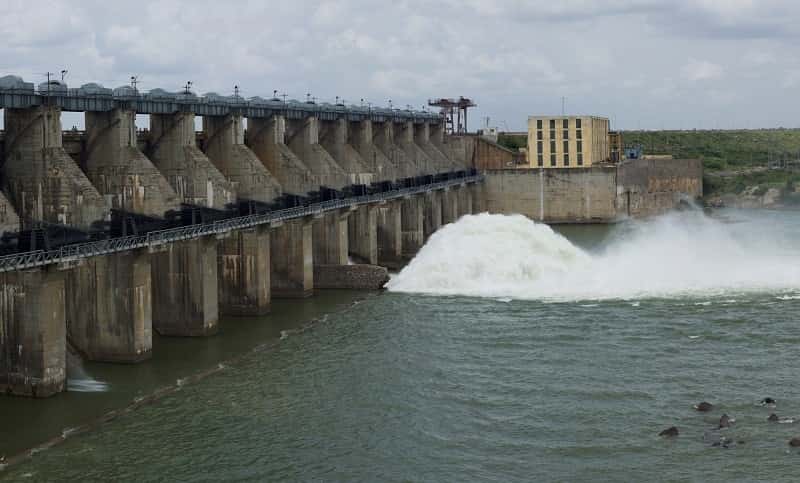
| Dam Type | Earthfill dam with a central concrete spillway |
| Dam Height | Around 29 metres (95 feet) |
| Dam Length | About 3.5 km |
| Gross Storage Capacity | 29.91 TMC |
| Live Storage Capacity | Around 24 TMC (currently restricted, see safety note below) |
| Drinking Water Supply | Around 30% of Hyderabad’s water needs |
| Visiting Hours | Generally 6:00 AM to 10:00 PM |
| Best Time to Visit | October to February |
Where Singur Dam Is Located
Singur Dam sits in Singur village, part of Pulkal mandal in Sangareddy district, roughly 36 to 37 kilometres from Sangareddy town and about 75 to 92 kilometres from Hyderabad, depending on your exact route. It makes for a solid half-day trip from the city if you’re looking to get away from Hyderabad’s usual hustle without committing to a full weekend elsewhere.
The drive itself involves a stretch along the Mumbai highway before turning onto rural roads for the final approach, and several visitors note that the last few kilometres can be narrow and occasionally under repair, so it’s worth allowing extra travel time and driving carefully on the approach.
The River Behind This Reservoir
The dam is built across the Manjira River, itself a tributary of the mighty Godavari. This river flows through Maharashtra, Karnataka, and Telangana before reaching the dam site, and its regulated flow here plays a genuinely significant role in Hyderabad’s water security, alongside supporting irrigation and hydroelectric power generation for the surrounding region.
Interestingly, Singur is part of a broader inter-basin water transfer scheme, feeding Godavari basin water toward the Krishna River basin specifically to support Hyderabad’s drinking water and sewage regeneration needs, a detail that highlights just how interconnected India’s river management systems can get.
A History Spanning Two Decades of Construction
Construction on Singur Dam began in 1979, and while much of the structure was completed by 1989, some sources point to 1998 or 1999 as the year of final commissioning, suggesting the project moved through extended phases before becoming fully operational. Either way, this dam has been a working part of Telangana’s water infrastructure for well over three decades now.
Its primary purpose from the outset was multi-fold: supplying drinking water to Hyderabad and Secunderabad, supporting irrigation for surrounding farmland, and generating hydroelectric power for the local grid. For years, it functioned as one of the region’s more reliable water sources, alongside the neighbouring Manjira reservoir system.
A Recent Safety Concern Worth Knowing
This is genuinely important context if you’re planning a visit or simply following local news. In August 2025, the Telangana Irrigation Department decided to lift the crest gates of the Singur project and restrict water storage to around 22 TMC, well below its full capacity of 29.91 TMC, following a safety warning from the Dam Safety Review Panel. The panel found that the earth dam’s revetment had been damaged due to a lack of regular maintenance, and impounding water to full capacity was considered a safety risk.
This marked the first time since the project’s construction that authorities restricted storage in this way, and it’s expected to affect water availability for farmers dependent on the dam’s irrigation network. If you’re researching current water levels or storage status before a visit, it’s worth checking the latest updates, since this situation reflects an active, evolving concern rather than a settled, historical fact.
What There Is to See and Do
Despite reduced tourist infrastructure compared to bigger reservoirs like Nagarjuna Sagar, Singur Lake remains a genuinely scenic picnic spot, particularly after rainfall when the surrounding landscape turns lush and green. Boating is available on the reservoir, and the area has historically been declared a wildlife reserve, home to a substantial population of crocodiles and a good variety of water birds, making it a worthwhile stop for birdwatchers, especially between October and February when migratory birds arrive.
Nearby, Sri Ramalingeswara Temple in Nandikandi village, built during the Chalukya dynasty and believed to have been reconstructed in the 18th century, offers a solid historical add-on if you’re extending your day trip. The temple houses idols of Lord Brahma, Vishnu, Narasimha, Shiva, Varaha, and Nataraja in its central hall, making it a genuinely interesting stop for anyone with an interest in South Indian temple architecture.
Timings and Practical Details
Telangana Tourism lists general visiting hours as 6:00 AM to 10:00 PM, though most sightseeing and boating activities are best planned during daylight hours. Facilities at the site remain fairly basic — several recent visitor reviews mention limited food options beyond a Telangana Tourism-run restaurant and a scattering of small stalls selling fish fry and snacks near the entrance, so carrying your own food and water is a genuinely sensible backup plan.
If you’re considering an overnight stay, Telangana Tourism operates accommodation near the dam that, while modest, has been described by visitors as a reasonable option for those wanting to extend their trip rather than doing a rushed day visit.
Best Time to Plan Your Visit
October through February remains the ideal window, bringing cooler, more comfortable weather along with the added bonus of migratory bird activity around the reservoir. Post-monsoon visits, particularly through October and November, also tend to show the reservoir at a fuller, more scenic level, assuming current storage restrictions don’t significantly affect water levels during your visit.
Frequently Asked Questions
Q1. Is Singur Dam currently safe to visit given the recent storage restrictions?
The restrictions relate to water storage capacity for safety reasons rather than visitor access, so the site itself generally remains open to tourists. That said, it’s worth checking current conditions given this is an active, evolving situation tied to dam maintenance concerns.
Q2. How much of Hyderabad’s water actually comes from Singur Dam?
Historically, Singur has supplied around 30% of Hyderabad’s drinking water needs, though this share can fluctuate depending on reservoir levels, rainfall, and current storage restrictions affecting the dam.
Q3. Is there an entry fee to visit Singur Dam?
Most current sources don’t report a significant entry fee for general access to the dam and reservoir area, though specific activities like boating may carry separate charges. It’s worth confirming current rates locally.
Q4. What should I carry for a day trip to Singur Dam?
Given limited food options directly at the site, carrying your own snacks and water is genuinely advisable. Comfortable footwear and sun protection are also worth packing, along with a flexible attitude toward the somewhat rough final stretch of approach road.