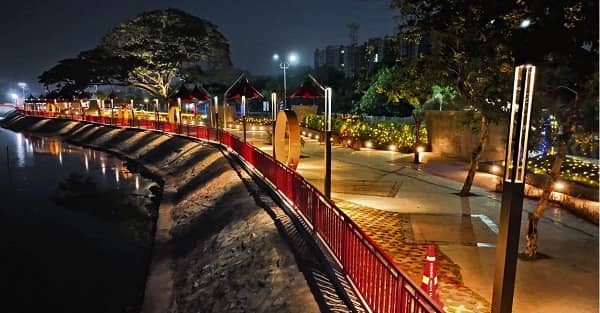
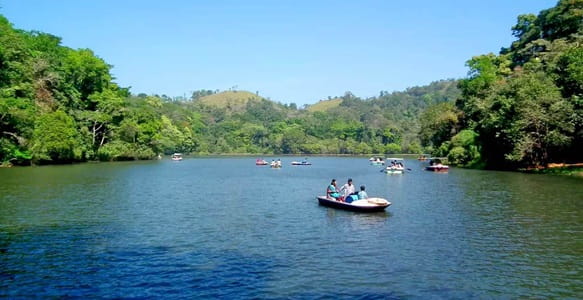
If you’ve ever sipped a glass of water in Thrissur city and wondered where it actually comes from, the answer traces back to a quiet reservoir tucked into the hills just 22 kilometres away. Peechi Dam has been doing this unglamorous but essential job for over six decades, and somewhere along the way, it also turned into one of Thrissur’s most loved weekend destinations. Between the botanical gardens, the boating, and the wildlife sanctuary right next door, there’s genuinely more to this place than most people expect from a dam built purely for irrigation.
Peechi Dam, Thrissur Quick Overview
| Detail | Information |
| River | Manali River |
| Location | Peechi village, near Thrissur, Kerala |
| Distance from Thrissur | Around 22–23 km |
| Nearest Railway Station | Thrissur Railway Station, about 23 km away |
| Nearest Airport | Cochin International Airport, roughly 58 km away |
| Completed | Late 1950s (sources cite 1957 to 1959) |
| Envisioned By | E. Ikkanda Warrier, first Prime Minister of the former Kochi state |
| Dam Type | Concrete gravity masonry dam |
| Dam Height | Around 40 metres |
| Dam Length | About 214 metres |
| Storage Capacity | Around 110 million cubic metres |
| Catchment Area | Around 3,200 acres |
| Irrigation Coverage | Up to 17,555 hectares across Mukundapuram, Thrissur, Thalappilly, and Chavakkad taluks |
| Surrounded By | Peechi-Vazhani Wildlife Sanctuary, established 1958, spanning 125 sq. km |
| Visiting Hours | Generally 8:00 AM to 6:00–6:30 PM |
| Entry Fee | Around ₹20 for adults, ₹10 for children (some sources note free entry) |
| Best Time to Visit | October to March |
Where Peechi Dam Is Located
Peechi Dam sits at Peechi village, roughly 22 to 23 kilometres from Thrissur city, making it an easy half-day trip whether you’re already exploring Thrissur’s temples and heritage sites or just looking for a quiet escape from the city. Thrissur Railway Station serves as the closest major rail connection, and Cochin International Airport, about 58 kilometres away, remains the nearest airport for visitors travelling from further afield.
Getting to the dam is straightforward, with regular buses running from Thrissur alongside the option of hiring a taxi for a more comfortable, direct trip.
The River Behind This Reservoir
The dam is built across the Manali River, and its catchment spans roughly 3,200 acres, capturing enough water to sustain both irrigation and drinking water needs for a substantial stretch of Thrissur district. What makes this dam particularly significant locally is its dual role — beyond feeding paddy fields and agricultural land across Mukundapuram, Thrissur, Thalappilly, and Chavakkad taluks, it also directly supplies drinking water to Thrissur city’s population.
This combination of agricultural and urban water supply is exactly why Peechi Dam has remained such a critical piece of infrastructure for the district since its construction, even as its tourism profile has grown considerably over the decades.
A History Rooted in Post-Independence Planning
Peechi Dam was conceived and largely built during the late 1950s, with completion dates across various sources ranging between 1957 and 1959. The project is credited to E. Ikkanda Warrier, who served as the first Prime Minister of the former princely state of Kochi before it merged into independent India’s broader state reorganisation.
The dam’s original purpose was squarely practical — provide reliable irrigation water to surrounding villages while addressing Thrissur city’s growing drinking water needs. At the time of its full construction, it reportedly had the capacity to irrigate up to 17,555 hectares of land, a genuinely significant contribution to the region’s agricultural productivity during a period when India was actively investing in post-independence irrigation infrastructure.
Just a year after the dam’s completion, the surrounding forest area was formally protected as the Peechi-Vazhani Wildlife Sanctuary in 1958, extending the site’s significance well beyond its original irrigation mandate into genuine ecological conservation.
Why the Wildlife Sanctuary Matters Here
Spanning 125 square kilometres, the Peechi-Vazhani Wildlife Sanctuary sits within the catchment areas of both the Peechi and Vazhani dams, forming part of the broader Palapilli-Nelliampathy forest belt and sharing a boundary with the neighbouring Chimmini Wildlife Sanctuary. This sanctuary is genuinely rich in biodiversity, home to over 50 species of orchids and medicinal plants, alongside 60 bird species, 25 mammal species, and 10 types of snakes.
Wildlife here includes leopards, sambar deer, barking deer, spotted deer, wild dogs, foxes, and langurs, with elephants also known to visit the reservoir area to drink water, a detail that regularly delights visitors who happen to catch a sighting. Ponmudi, the sanctuary’s highest point at around 923 metres, receives an impressive annual rainfall of roughly 3,000 mm, supporting the lush, dense vegetation that defines this landscape.
What There Is to Do at Peechi Dam
A well-maintained botanical garden near the dam, complete with cascading fountains, is one of the site’s standout features, offering a pleasant walk through curated plant life alongside opportunities for macro photography of flowers and butterflies. The dam walkway itself provides excellent wide-angle views of both the reservoir and surrounding forest, making it a popular spot for photographers, particularly during golden hour when hills reflect beautifully in the still water.
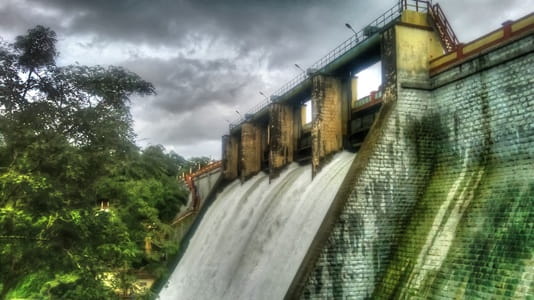
Boating on the reservoir remains one of the most popular activities, giving visitors a different perspective of the dam and its forested backdrop. For those interested in wildlife, guided treks into the sanctuary are arranged by the Forest Department, though these are generally recommended only for experienced trekkers given the terrain involved. Birdwatchers should keep an eye out for species like the Malabar Pied Hornbill and the Great Indian Hornbill, both notable sightings in this region. During monsoon, the dam’s spillway becomes a genuine spectacle, with water cascading dramatically, drawing photographers eager to capture the sheer force of the release.
Timings and Entry Details
Most sources place general visiting hours between 8:00 AM and 6:00 or 6:30 PM daily. Entry fees vary slightly across sources, with some citing around ₹20 for adults and ₹10 for children, while others describe entry as free, so it’s worth confirming current rates on arrival. If you’re planning to trek into the adjoining wildlife sanctuary, bookings need to be arranged separately through the Wildlife Warden’s office at Peechi.
Basic amenities including a canteen and restrooms are available near the dam, making it manageable for a family picnic without needing to carry everything yourself, though it’s still sensible to bring some snacks and water for a longer visit.
Best Time to Plan Your Visit
October through March offers the most comfortable weather for exploring both the dam and the surrounding sanctuary, with cooler temperatures making trekking, boating, and garden walks genuinely enjoyable. Visiting during or right after monsoon rewards you with the dam’s spillway in full flow and a landscape at its greenest, though this comes with the trade-off of heavier rainfall potentially disrupting outdoor plans on any given day.
Frequently Asked Questions
Q1. Is boating available year-round at Peechi Dam?
Boating is generally available through most of the year, though conditions and availability can vary depending on water levels, particularly during heavy monsoon periods. It’s worth checking current status on arrival if this is a priority for your visit.
Q2. Do I need special permission to trek into the Peechi-Vazhani Wildlife Sanctuary?
Yes, guided treks are arranged through the Forest Department, and bookings need to be made in advance through the Wildlife Warden’s office at Peechi, since independent trekking isn’t generally permitted within the sanctuary.
Q3. What’s the best time of day to visit for photography?
Early morning offers calm waters ideal for reflection shots of the surrounding hills, while late afternoon into golden hour provides the most striking lighting for capturing the dam and its botanical garden.
Q4. Is Peechi Dam suitable for a family day trip with children?
Yes, the botanical garden, boating, and general dam area work well for families, with basic facilities like a canteen and restrooms available on-site, making it a manageable outing without extensive prior planning.