Walk into a furniture showroom in India looking for a bed, wardrobe or dining table, and two products that appear almost identical can have very different prices. One may be described as solid wood, while another is made from engineered wood with a decorative laminate or veneer. From the outside, both can look attractive, but their construction, durability, weight, maintenance requirements and long-term value can be quite different.
This makes understanding solid wood vs engineered wood furniture important before spending on a major piece of furniture. Solid wood is made primarily from natural timber, while engineered wood products are manufactured by combining wood fibres, particles, veneers or layers with adhesives and other materials. MDF, particle board and plywood are common examples, but they do not all perform the same way.
For Indian homes, the better option depends on your budget, expected lifespan, room conditions, moving frequency and how heavily the furniture will be used. Solid wood can offer excellent longevity and repairability, while good-quality engineered wood can provide practical, attractive furniture at a more accessible price.
Solid Wood Vs Engineered Wood: Quick Comparison
| Factor | Solid Wood | Engineered Wood |
|---|---|---|
| Basic Construction | Natural timber | Manufactured wood-based material |
| Appearance | Natural grain and variation | Uniform; laminate or veneer often used |
| Durability | Can be very high with good construction | Varies significantly by material and quality |
| Moisture Performance | Can swell, warp or crack if poorly protected | Depends heavily on board type and edge sealing |
| Weight | Often heavier | Varies; some boards can also be heavy |
| Repairability | Generally good | Often more limited |
| Refinishing | Usually possible | Depends on surface material |
| Cost | Generally higher | Usually more budget-friendly |
| Consistency | Natural variations | Highly consistent dimensions/surface |
| Best For | Long-term furniture and premium pieces | Budget, modular and space-efficient furniture |
What Is Solid Wood Furniture?
Solid wood furniture is made using pieces of natural timber rather than boards manufactured from compressed wood fibres or particles.
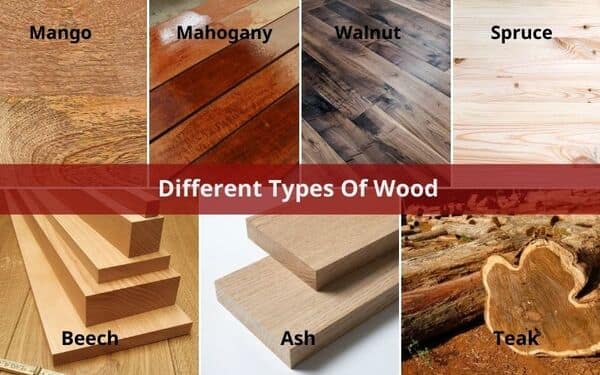
Common woods used in Indian furniture can include:
- Teak
- Sheesham
- Mango wood
- Acacia
- Rubberwood
- Other suitable hardwoods and softwoods
Each species has different properties, so the term “solid wood” alone does not guarantee premium quality.
The quality of solid wood furniture also depends on:
- Timber seasoning
- Moisture content
- Joinery
- Wood species
- Thickness
- Construction quality
- Surface treatment
- Hardware
A poorly seasoned solid wood table can develop problems, while a properly manufactured piece can remain useful for many years.
What Is Engineered Wood?
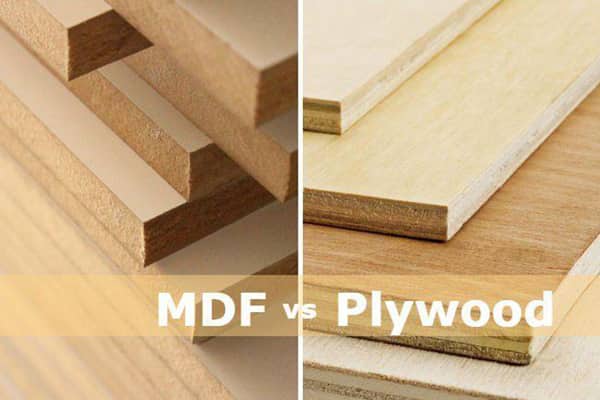
Engineered wood is a broad category of wood-based materials manufactured by bonding layers, fibres, particles or veneers.
Common examples include:
Plywood
Plywood is manufactured from thin layers of wood veneer bonded together, generally with the grain direction arranged to improve dimensional performance.
It is widely used for wardrobes, kitchens, beds, cabinets and other furniture.
MDF
Medium-Density Fibreboard is made from wood fibres combined with binders and pressed into dense panels.
Its smooth surface makes it suitable for painted, laminated and routed furniture components.
Particle Board
Particle board is manufactured from wood particles bonded and pressed into sheets.
It is commonly found in economical and ready-to-assemble furniture.
These materials have different strengths, moisture characteristics and prices. Calling all engineered wood “cheap wood” therefore oversimplifies the category.
Solid Wood Has a Natural Appearance
One of solid wood’s strongest attractions is its character.
Natural timber contains variations in:
- Grain
- Colour
- Knots
- Texture
- Pattern
This means two pieces made from the same wood species may not look exactly identical.
Many homeowners value this variation because it gives furniture an individual appearance.
Solid wood can also work particularly well with Indian interior styles ranging from traditional carved furniture to contemporary minimalist designs.
Depending on the wood and finish, it may be stained, polished, oiled or painted.
Engineered Wood Offers Greater Visual Consistency
Engineered boards provide a uniform base for furniture manufacturing.
Their surfaces can be finished with:
- Laminates
- Decorative films
- Paint
- Natural wood veneer
- Other engineered finishes
A natural veneer can give engineered furniture the appearance of real timber because the visible surface itself is a thin layer of natural wood.
Laminates can provide an even wider selection of colours and patterns.
This makes engineered wood popular for modern modular interiors where consistent finishes across wardrobes, cabinets and storage units are desirable.
Which Is More Durable?
Solid wood is often associated with greater durability, and well-built hardwood furniture can indeed last for decades.
However, material alone does not determine lifespan.
A solid wood bed with weak joints can fail earlier than a well-designed plywood bed with quality hardware.
Engineered wood durability varies substantially.
For example, quality plywood used correctly can provide strong structural performance, while low-density particle board may be less suitable for repeated heavy loading or frequent dismantling.
When evaluating durability, consider:
- Material type
- Thickness
- Joinery
- Hardware
- Load
- Edge protection
- Installation
- Exposure to moisture
The correct comparison is therefore not simply “solid wood good, engineered wood bad.”
Moisture Can Damage Both Materials
India’s climate creates particular challenges for furniture.
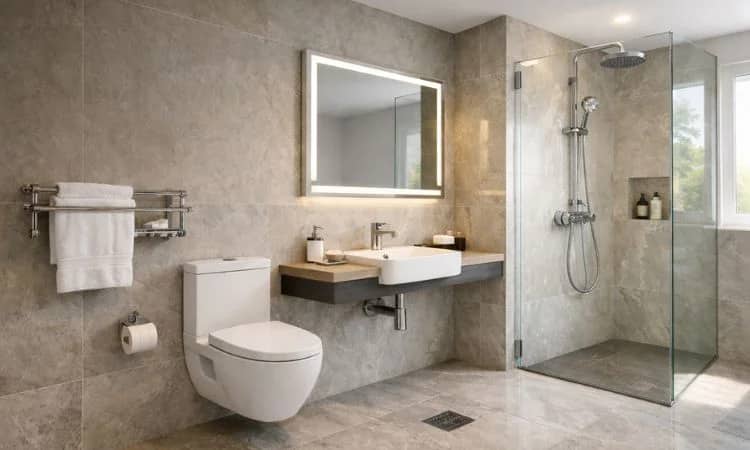
Coastal cities may experience high humidity, while bathrooms and kitchens have greater chances of water exposure. Monsoon seasons can also increase indoor moisture.
Solid wood responds naturally to environmental changes. It can expand, contract, warp or develop cracks when moisture levels change significantly, particularly if timber is poorly seasoned or finished.
Engineered wood behaves differently depending on its construction.
Certain boards can swell badly if water enters through damaged edges or unprotected surfaces.
This makes edge sealing and correct material selection extremely important.
Furniture should not be placed in continuously wet conditions unless the material and construction are specifically designed for them.
Solid Wood Is Generally Easier to Repair
Repairability is one of the major long-term advantages of solid wood.
Depending on the damage, solid wood furniture can often be:
- Sanded
- Refinished
- Re-polished
- Repaired at joints
- Restained
- Repainted
Scratches and surface wear can sometimes be restored without replacing the complete furniture piece.
Engineered wood repair can be more difficult.
If laminate-covered particle board swells due to water exposure, restoring it to its original condition may not be practical.
Plywood-based furniture may offer better repair possibilities depending on the damage, while veneered surfaces can sometimes be refinished carefully—but the thin veneer limits how aggressively they can be sanded.
Engineered Wood Is Often More Affordable
Cost is one of the main reasons engineered wood furniture is popular in India.
Solid timber requires sourcing, drying, cutting, processing and skilled manufacturing. Good-quality natural wood can therefore be expensive.
Engineered boards allow manufacturers to produce furniture more efficiently and consistently.
They are commonly used for:
- Modular wardrobes
- Study tables
- TV units
- Shoe cabinets
- Office furniture
- Storage units
- Ready-to-assemble furniture
For a family furnishing an entire apartment on a limited budget, engineered wood can provide a practical balance between appearance, functionality and cost.
Solid Wood Can Offer Better Long-Term Value
Initial price and long-term value are not always the same.
Suppose a solid wood dining table costs considerably more than an engineered alternative but remains functional for many years and can be refinished several times.
Its annualised ownership cost may eventually become reasonable.
This is particularly relevant for furniture you expect to keep for a long time, such as:
- Dining tables
- Premium beds
- Chairs
- Benches
- Heirloom-style cabinets
However, paying extra for solid wood makes less sense if you move frequently, expect to redesign your home soon or only need temporary furniture.
Engineered Wood Works Well for Modular Furniture
Modern Indian apartments increasingly use customised storage to make efficient use of limited space.
Engineered boards are particularly convenient for modular furniture because panels can be manufactured in consistent sizes and finished uniformly.
They work well for:
- Floor-to-ceiling wardrobes
- Modular kitchens
- Entertainment units
- Study areas
- Built-in storage
- Office workstations
Solid wood can also be used, but large natural timber panels may require more specialised construction and can be significantly more expensive.
For extensive cabinetry, engineered materials are often the more practical choice.
What About Termites?
Neither category should be assumed to be automatically termite-proof.
Natural wood can be attacked by termites if conditions allow.
Engineered boards can also contain wood-based material and may be vulnerable depending on their composition, treatment and environmental conditions.
Protection depends on factors such as:
- Material treatment
- Building-level termite control
- Moisture management
- Proper storage
- Installation quality
- Regular inspection
If termites are already present in a building, simply buying different furniture will not solve the underlying infestation.
Which Material Should You Choose?
Consider solid wood furniture when:
- You want furniture for long-term use.
- Natural grain is important to you.
- You prefer furniture that can be refinished.
- The item will experience substantial everyday use.
- Your budget allows a higher initial investment.
Consider engineered wood furniture when:
- You have a controlled budget.
- You need extensive modular storage.
- Uniform finishes are important.
- You may move or redesign relatively frequently.
- You want contemporary ready-made options.
For engineered furniture, ask exactly which board is being used. “Engineered wood” is too broad to judge quality.
Check whether the product is plywood, MDF, particle board or another material and where each material is used in the furniture.
FAQs
1. Is plywood better than MDF for furniture?
It depends on the application. Plywood is commonly preferred where structural strength and screw-holding ability are important, while MDF provides a smooth, consistent surface suitable for certain painted or decorative applications. Grade and manufacturing quality also matter.
2. How can I tell whether furniture is solid wood?
Check exposed edges, underside surfaces, grain continuity and product specifications. Veneer can look extremely similar to solid timber from the visible surface, so appearance alone may not be enough. Ask the seller for a clear material description.
3. Is engineered wood suitable for Indian humid weather?
It can be, provided the correct board, surface protection and edge sealing are used. Furniture should still be protected from direct water exposure. In humid or moisture-prone areas, material grade and workmanship become particularly important.
4. Which is better for a bed—solid wood or engineered wood?
Both can work when correctly designed. Solid wood can provide excellent durability and repairability, while quality plywood-based construction can also produce a strong bed. Evaluate the frame structure, board or timber thickness, joints, central support, hardware and warranty rather than choosing only by material label.