A 28-year-old salaried professional may wonder whether to spend the available insurance budget on life insurance or health insurance first. A married person with children may have the same question, but their financial responsibilities are very different. Meanwhile, someone covered under an employer’s medical policy may assume personal health insurance is unnecessary. These situations show why there is no single answer that works for everyone.
Life insurance and health insurance protect against two different financial risks. Life insurance primarily protects dependants from the financial consequences of the insured person’s death. Health insurance helps manage eligible medical expenses when the insured requires treatment.
Ideally, a person who needs both should not treat them as substitutes. If the budget is temporarily limited, however, understanding the risks each policy covers can help decide what deserves immediate attention.
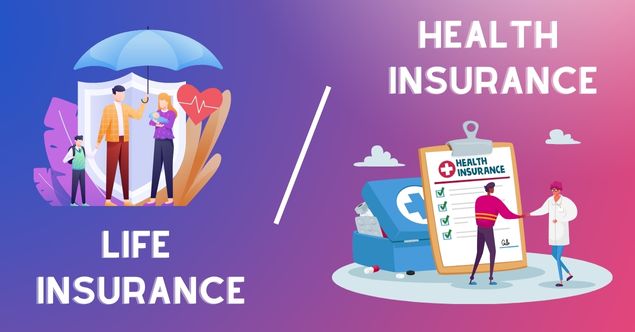
Life Insurance Vs Health Insurance: Quick Comparison
| Factor | Life Insurance | Health Insurance |
|---|---|---|
| Main Purpose | Financial protection after death | Protection against eligible medical expenses |
| Primary Beneficiary | Nominee/dependants | Insured person/family |
| Common Claim Trigger | Death during covered period | Eligible hospitalisation/treatment |
| Coverage Amount | Based largely on financial responsibilities | Based on healthcare requirements |
| Main Financial Risk | Loss of income to dependants | Large medical bills |
| Employer Coverage | Sometimes provided | Common employee benefit |
| Family Structure | Dependants strongly influence requirement | Useful even without dependants |
| Common Product | Term insurance | Individual/family floater health insurance |
| Key Consideration | Income replacement and liabilities | Medical costs and coverage conditions |
| Priority | High when others depend on your income | Important for almost everyone |
What Does Life Insurance Actually Protect?
Life insurance is primarily designed to protect the people who financially depend on you.
Suppose you are the primary earning member of your family. Your monthly income pays for:
- Household expenses
- Home loan EMI
- Children’s education
- Parents’ financial needs
- Utility bills
- Future family goals
If you die unexpectedly, many of these expenses continue even though your income stops.
Life insurance can provide a financial payout to the nominee or beneficiary, subject to policy terms, helping the family manage these obligations.
For people primarily seeking protection, pure term insurance is commonly considered because it can provide substantial life cover for a comparatively affordable premium.
What Does Health Insurance Protect?
Health insurance addresses a different risk: the cost of medical treatment.
A serious illness or accident can result in expenses relating to:
- Hospitalisation
- Surgery
- Doctor fees
- Diagnostic tests
- Medicines
- ICU treatment
- Day-care procedures
- Pre- and post-hospitalisation care, where covered
Without adequate insurance, these expenses may have to be paid from savings or investments.
This can disrupt financial goals even if the patient eventually makes a complete recovery.
Health insurance therefore protects not just health-related expenses but also the household’s financial reserves.
Why Health Insurance Is Important Even If You Are Young
Young adults sometimes postpone health insurance because they rarely visit hospitals.
But health insurance is not designed primarily for routine minor illnesses. Its major financial value becomes visible when an unexpected medical event creates a large bill.
Accidents and certain illnesses can occur at any age.
Buying coverage while relatively young may also have practical advantages:
- Premiums are generally influenced by age and health.
- Applicable waiting periods can begin earlier.
- You establish independent coverage before health conditions potentially develop.
- You reduce dependence on personal savings for major hospitalisation.
Being healthy today is not a reason to ignore health insurance; it can be a good time to arrange appropriate protection.
Life Insurance Becomes Critical When Someone Depends on You
The need for life insurance is strongly connected to financial dependency.
Consider two 30-year-olds.
The first is unmarried, has financially independent parents, no major debt and substantial savings.
The second is married, has a young child, dependent parents and a large home loan.
Their life-insurance requirements are clearly different.
Life insurance becomes particularly important if:
- Your spouse depends on your income.
- You have children.
- Your parents are financially dependent on you.
- You have significant liabilities that could affect your family.
- You are the primary or sole earning member.
The greater the financial dependency, the more urgent adequate life cover generally becomes.
So, Which Insurance Should You Buy First?
For most people, health insurance deserves early attention because medical expenses can affect anyone, including people without financial dependants.
Life insurance becomes equally urgent—and potentially essential—once other people rely on your income.
Therefore, instead of thinking:
“Should I buy life insurance or health insurance?”
A better question is:
“What financial risks would my family and I be unable to comfortably absorb ourselves?”
If you are young with no dependants, health insurance may be the immediate priority while your life-insurance requirement could be limited.
If you are the sole earning parent with a home loan, both risks are significant and arranging adequate life and health cover should be treated as priorities rather than choosing only one indefinitely.
What If Your Budget Is Limited?
A limited budget does not necessarily mean you need to choose expensive policies.
Focus on core protection first.
A practical priority can be:
- Obtain suitable health insurance.
- If you have financial dependants, obtain adequate pure term insurance.
- Build an emergency fund.
- Add optional insurance features only when genuinely useful.
Avoid purchasing inadequate core coverage simply because a policy includes numerous extra benefits.
Insurance should first protect against risks capable of causing serious financial damage.
Is Employer Health Insurance Enough?
Many salaried employees in India receive group health insurance through their employer.
This is useful, but relying entirely on it can create gaps.
Employer coverage can:
- Have a limited sum insured
- Change when company policies change
- Offer different conditions for parents or dependants
- End when you leave the organisation
- Leave you temporarily uninsured between jobs
A personal health policy provides coverage independent of your employment, subject to its terms.
Starting personal coverage earlier can also help you complete applicable waiting periods while you still have employer protection.
What About Employer Life Insurance?
Some employers also provide group life cover.
Again, this should be viewed as an additional benefit rather than automatically assumed to be sufficient.
Ask yourself whether the amount would realistically cover:
- Outstanding loans
- Several years of household expenses
- Children’s major future goals
- Other dependent-family requirements
If not, independent life insurance may be necessary.
Changing jobs can also affect employer-provided life cover.
How Much Life Insurance Do You Need?
Avoid choosing a life insurance amount simply because a round figure such as ₹50 lakh or ₹1 crore sounds substantial.
Estimate your actual responsibilities.
Consider:
- Outstanding liabilities
- Annual household expenditure
- Number of dependants
- Years of income replacement required
- Children’s education
- Major future obligations
- Existing investments and assets
- Existing insurance
The required amount can change as your life changes.
Review coverage after marriage, childbirth, purchasing a home or taking on major financial responsibilities.
How Much Health Insurance Do You Need?
There is no universal sum insured suitable for every Indian household.
Consider:
- City and typical hospital costs
- Number of family members
- Age of insured members
- Existing employer coverage
- Preferred hospitals
- Current medical conditions
- Personal savings
- Family medical history
- Ability to pay expenses from your own pocket
Also examine policy conditions, not just the headline sum insured.
Important features include:
- Room-rent eligibility
- Co-payment
- Deductibles
- Waiting periods
- Disease-specific sub-limits
- Exclusions
- Restoration benefits
- Network-hospital arrangements
A large advertised sum insured does not automatically mean every hospital expense will be paid.
Keep Insurance and Investment Objectives Clear
Life and health insurance primarily exist to manage financial risks.
Do not let tax saving or investment returns become the only reason for purchasing insurance.
For life protection, compare whether the sum assured is genuinely adequate.
For health insurance, evaluate whether the policy can realistically protect you from significant medical expenses.
Savings and investments can then address goals such as:
- Retirement
- Children’s education
- Home purchase
- Wealth creation
Keeping each objective clear makes financial planning easier to understand and manage.
Life Insurance Vs Health Insurance at Different Life Stages
Young and Single
Health insurance is usually important even without dependants. Life insurance needs may be relatively low unless parents or someone else depends financially on you or significant liabilities exist.
Married Couple
Both partners should evaluate health insurance. Life cover becomes increasingly important when one spouse depends on the other’s income.
Parents With Children
Both health and life insurance generally become major priorities because medical expenses and loss of income can seriously affect the family’s future.
Self-Employed or Business Owners
Independent insurance can be particularly important because employer-provided benefits may not exist. Business owners should separate personal-family protection from business-related insurance requirements.
Common Mistakes to Avoid
When planning insurance, avoid:
- Depending entirely on employer coverage.
- Buying life insurance without calculating actual needs.
- Choosing health insurance only by the cheapest premium.
- Hiding medical conditions from the insurer.
- Treating insurance mainly as an investment.
- Ignoring waiting periods and exclusions.
- Buying unnecessary riders while core coverage remains inadequate.
- Failing to inform family members about existing policies.
Insurance works best when it is arranged before a financial emergency occurs.
FAQs
1. Do I need life insurance if I am single?
A. Possibly, but the requirement depends on financial responsibilities. If nobody depends on your income and you have no significant liabilities affecting others, your need may be limited. Health insurance can still be important because medical expenses directly affect you.
2. Should both husband and wife have life insurance?
A. If both contribute significantly to household finances, both should evaluate life cover. Even a non-earning spouse can provide economically valuable household and caregiving work, so the financial impact of losing either partner should be considered.
3. Can I have multiple life and health insurance policies?
A. Yes, subject to applicable rules and policy conditions. Multiple life policies can exist, while health claims involving multiple policies follow applicable claim procedures. Always disclose existing coverage when required and understand how benefits or reimbursements work.
4. Should parents be included in the same family health policy?
A. Not automatically. Because premiums and claim risks can be influenced by the age and health of insured members, separate health coverage for older parents may sometimes be worth evaluating. Compare premiums, sum insured, co-payment, waiting periods and medical needs before deciding.