Finding a restaurant once depended heavily on word of mouth. Someone at work recommended a good biryani place, a relative knew the best dosa shop in the neighbourhood, or families returned to the same trusted restaurant for years. Newspaper reviews and food magazines helped, but they covered only a fraction of the places available in a city.
Food blogging changed that experience dramatically. Suddenly, ordinary diners could search online for detailed accounts of restaurants, photographs of actual dishes, menu recommendations, approximate budgets and information about everything from parking to ambience. Small cafés and neighbourhood eateries that rarely appeared in traditional media could attract attention through a single enthusiastic blog post.
In India, this transformation became particularly significant as smartphones, social media, food-delivery platforms and digital payments expanded. Restaurant discovery moved from “Where should we eat?” to “Let me check what people are saying about this place.”
Food bloggers did more than review restaurants. They helped turn dining into searchable, visual and shareable information.
Restaurant Discovery: Before and After Food Blogging
| Earlier Experience | Food-Blogging Era |
|---|---|
| Recommendations from friends and family | Searchable recommendations from creators |
| Newspaper and magazine reviews | Blogs, videos and social posts |
| Limited food photographs | Detailed visual coverage |
| Focus on established restaurants | Small and independent outlets discovered |
| Menu often seen after arrival | Dishes researched beforehand |
| Local knowledge stayed local | Recommendations could reach thousands |
| Restaurant controlled most promotion | Diners and creators shaped reputation |
| Dining decision based mainly on familiarity | Comparison before visiting became common |
Restaurant Discovery Was Once Highly Local
Before digital food content became widespread, knowledge about restaurants travelled relatively slowly.
A neighbourhood might have a legendary chole bhature shop or kebab stall, but people living on the other side of the city might never hear about it.
Traditional media could introduce restaurants to larger audiences, but newspaper space was limited. Reviews also tended to focus on established or noteworthy establishments.
Word of mouth remained extremely powerful.
People commonly relied on:
- Friends
- Relatives
- Office colleagues
- Local residents
- Hotel staff while travelling
- Newspaper listings
- Printed city guides
These recommendations could be excellent, but discovery depended largely on who you knew.
Food blogging made restaurant knowledge far more searchable.
Bloggers Turned Personal Dining Experiences Into Useful Guides
Early food blogs often felt very different from formal restaurant criticism.
Instead of writing only about culinary technique or fine dining, bloggers described the entire experience from a customer’s perspective.
A useful restaurant post might discuss:
- What to order
- What dishes were disappointing
- Approximate price range
- Portion sizes
- Ambience
- Service
- Location
- Whether the restaurant suited families or groups
This made restaurant reviews practical.
Readers were not necessarily looking for sophisticated culinary criticism. They wanted answers to everyday questions such as:
Is this restaurant actually worth visiting this weekend?
That practical approach helped food blogs build loyal audiences.
Food Photography Made Restaurant Discovery Visual
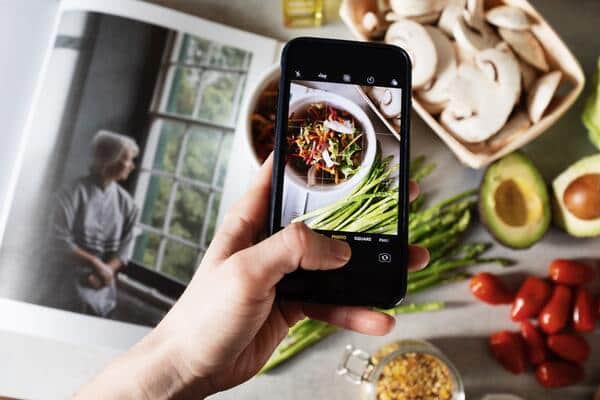
Food blogging grew alongside improvements in digital photography and smartphones.
That combination transformed restaurant discovery.
Instead of reading that a biryani looked delicious, readers could see the rice, meat, garnish and serving style themselves.
Photography became particularly influential for dishes with strong visual appeal:
- Burgers
- Pizzas
- Desserts
- Thalis
- Biryani
- Kebabs
- Chaat
- Cakes
- Café drinks
Pictures reduced uncertainty.
Customers could form expectations about presentation and portion size before visiting.
However, photographs also introduced a new problem: food can be carefully styled, edited or photographed from flattering angles. An attractive image does not guarantee equally good flavour, service or value.
Visual appeal became an important part of restaurant marketing nonetheless.
Food Blogs Gave Small Restaurants a Bigger Voice
One of the most important effects of food blogging was its ability to bring attention to businesses without large advertising budgets.
A small family-run restaurant could potentially gain attention if a blogger discovered an exceptional dish.
This was particularly relevant in India, where some of the most celebrated food experiences come from:
- Street stalls
- Small cafés
- Dhabas
- Bakeries
- Sweet shops
- Regional restaurants
- Family-run establishments
A compelling online story could introduce these places to customers far beyond their immediate neighbourhood.
The restaurant did not necessarily need expensive interiors.
It needed something worth talking about.
That shifted some marketing power from large advertising campaigns toward discoverability and customer experience.
Food Blogging Encouraged People to Explore Their Own Cities
Food blogs also changed how people behaved as local tourists.
Someone living in Delhi could spend a weekend exploring Old Delhi food. A Mumbai resident might travel across the city for a particular seafood restaurant. Bengaluru diners could search specifically for regional South Indian breakfasts rather than simply visiting the nearest familiar outlet.
Blogs encouraged searches such as:
- Best breakfast places
- Hidden food gems
- Budget restaurants
- Best street food
- Romantic cafés
- Family restaurants
- Regional cuisine restaurants
- Late-night food
Dining became an activity to explore rather than simply a practical way to get a meal.
Social Media Made Food Blogging Faster
Traditional blogs required readers to deliberately visit a website and read an article.
Social media changed the format.
Restaurant recommendations could now appear automatically while someone scrolled through a feed.
Long written reviews increasingly shared space with:
- Short videos
- Reels
- Stories
- Photo carousels
- Quick ratings
- “Top 5” recommendations
This made restaurant discovery much faster.
A 30-second video could show the entrance, interiors, preparation, dishes and approximate price before the viewer had even planned to eat out.
The modern food creator therefore became part reviewer, part photographer, part videographer and part local guide.
Viral Food Content Created Destination Restaurants
Food blogging and social media also introduced the phenomenon of the viral dish.
A restaurant might suddenly become famous for one visually dramatic item.
Examples of formats that often attract online attention include:
- Giant food portions
- Unusual desserts
- Cheese-heavy dishes
- Oversized thalis
- Creative street-food combinations
- Dramatic tableside presentations
People may travel considerable distances simply because they saw the dish online.
This can produce enormous exposure for a small business.
But virality has limitations.
A dish can be excellent for video while being ordinary to eat. Restaurants that attract customers through novelty still need consistency, hygiene, service and value if they want those customers to return.
Bloggers Helped Regional Cuisines Reach Wider Audiences
India’s restaurant scene extends far beyond the familiar categories of North Indian, South Indian and Chinese food often seen on older multi-cuisine menus.
Digital food writers helped audiences discover more specific regional traditions.
Readers could learn about:
- Kashmiri cuisine
- Assamese dishes
- Naga food
- Bengali meals
- Chettinad cooking
- Malabari cuisine
- Goan food
- Rajasthani dishes
- Maharashtrian specialities
- Awadhi cuisine
This increased curiosity about India’s internal culinary diversity.
Food bloggers who explain the background of a dish can provide more than a restaurant recommendation—they can introduce audiences to the culture that produced it.
Reviews Reduced Uncertainty Before Dining Out
Eating at an unfamiliar restaurant involves small risks.
Will the food be good? Is it expensive? Is the place comfortable for children? Are vegetarian options available?
Online food content can reduce some of that uncertainty.
Before visiting, diners can potentially investigate:
- Menu choices
- Price range
- Popular dishes
- Ambience
- Seating
- Location
- Dietary options
- Customer experiences
This has made consumers more informed but also more demanding.
Restaurants now know that poor experiences can become visible online quickly.
At the same time, customers should remember that one blogger’s experience represents one visit and one person’s preferences.
Sponsored Content Changed the Trust Equation
As food blogging became commercially valuable, restaurants began inviting creators for tastings, launches and paid collaborations.
This created an important challenge: Can every recommendation be treated as independent?
Not necessarily.
Sponsored content is not automatically unreliable, but transparency matters.
Readers should distinguish between:
- Independent reviews
- Hosted meals
- Paid promotions
- Brand collaborations
- Restaurant advertisements
A useful creator should make commercial relationships clear rather than presenting advertising as completely independent opinion.
Consumers can also compare multiple sources instead of making a decision based on one enthusiastic video.
Online Ratings and Blogs Now Work Together
Food blogs are no longer the only digital discovery tool.
Today’s restaurant decision may involve several stages.
Someone might see a café on social media, search its name, check customer ratings, look at menu photographs and then decide whether to visit or order.
This creates a connected discovery ecosystem involving:
- Food creators
- Search engines
- Customer reviews
- Maps
- Restaurant websites
- Delivery platforms
- Social media
Blogging helped establish the idea that restaurant experiences should be documented and shared. Modern platforms expanded that behaviour to millions of everyday diners.
How to Use Food Blogs Without Being Misled
Food content is most useful when treated as one source of information rather than absolute truth.
Before travelling across the city for a viral restaurant:
- Check several recent customer experiences.
- Look beyond the most photogenic dish.
- Compare menu prices where available.
- Check whether promotional content is disclosed.
- Consider your own dietary preferences.
- Verify current opening hours and location.
- Pay attention to repeated complaints about hygiene or service.
Taste is highly personal.
A blogger who loves extremely spicy food, elaborate desserts or experimental fusion may have preferences completely different from yours.
The best restaurant discovery happens when online recommendations are combined with personal judgement.
FAQs
Q1. Are food bloggers more reliable than online customer ratings?
A. Neither is automatically more reliable. A good blogger may provide detailed context, while a large collection of genuine customer reviews can reveal recurring patterns. Comparing both usually gives a better picture than depending on a single source.
Q2. How can I tell whether a restaurant review is sponsored?
A. Look for clear disclosures indicating a paid partnership, collaboration, hosted meal, or invitation. Even with disclosure, evaluate the information critically and compare it with independent customer experiences.
Q3. Why do some viral restaurants look better online than they feel in person?
A. Photography, editing, and short videos can emphasise the most visually exciting aspects of a restaurant. They cannot fully communicate taste, waiting time, noise, service quality, or overall value, so the real experience may differ.
Q4. Are food blogs still useful when social media provides instant recommendations?
A. Yes. Short-form content is excellent for discovery, while detailed food blogs can provide information that a quick video may miss, including menu guidance, background, pricing context, location details, and a fuller description of the dining experience.