Choosing your first pet can quickly turn into the classic debate: cat or dog? Dogs are often associated with enthusiastic greetings, outdoor walks, training and highly interactive companionship. Cats, on the other hand, are commonly valued for their independence, compact living needs and ability to fit into quieter household routines. Both can form strong relationships with people, but living with them can feel very different.
For Indian pet owners, the decision also involves practical questions. Do you live in an apartment? How many hours are you away from home? Can you take a dog outside several times a day? Is your balcony properly secured for a cat? How much can you spend on food, veterinary care, grooming and boarding?
There is no universal winner in the cats vs dogs comparison. A dog may be perfect for an active family but demanding for someone with long working hours. A cat may fit apartment life beautifully but disappoint someone expecting dog-like obedience and outdoor companionship.
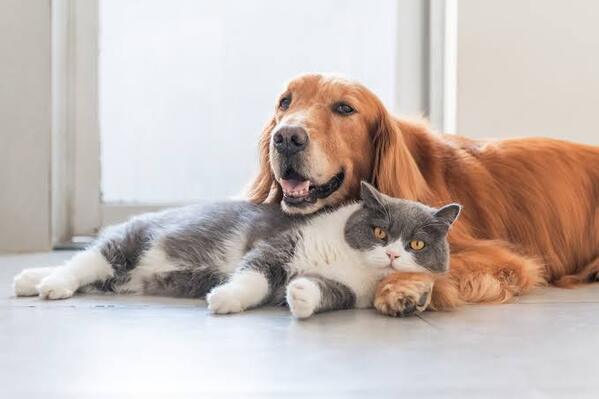
The better pet is ultimately the one whose needs realistically match your lifestyle.
Cats vs Dogs: Quick Comparison
| Factor | Cats | Dogs |
|---|---|---|
| Space Requirement | Generally lower | Depends greatly on breed/size |
| Daily Outdoor Walks | Usually not required | Usually required |
| Independence | Generally higher | Generally more dependent on routine |
| Training | Possible, but different approach | Usually highly trainable |
| Grooming | Often self-groom considerably | Varies greatly by breed |
| Toilet Management | Litter box | Outdoor/toilet training |
| Exercise | Indoor play can work well | Walks and active play usually needed |
| Companionship | Affectionate but often subtle | Usually more openly interactive |
| Noise | Usually quieter | Barking can be an issue |
| Travel Arrangements | Still requires proper care | Often more demanding |
| Apartment Suitability | Generally very good | Depends on individual dog and routine |
| Security Role | Minimal | Some dogs can be effective watchdogs |
Cats Are Often Easier for Apartment Living
For people living in Indian cities such as Delhi, Mumbai, Bengaluru, Pune, Hyderabad or Chennai, available space can strongly influence pet choice.
Cats generally adapt well to indoor living when provided with appropriate enrichment.
They can exercise through:
- Interactive toys
- Climbing structures
- Scratching posts
- Play sessions
- Window observation
- Food puzzles
They also use litter boxes, removing the need for outdoor toilet walks.
Dogs can also live successfully in apartments, including many medium and even some larger dogs, but their physical and mental needs must still be met.
A large apartment does not compensate for insufficient exercise.
For people who cannot reliably manage morning and evening walks, a cat may be the more practical option.
Dogs Usually Offer More Active Companionship
Dogs tend to become deeply involved in their owner’s daily routine.
A dog may wait at the door when you return, accompany you on walks, participate in training and eagerly join family activities.
For someone seeking a highly interactive companion, this can be enormously rewarding.
Dogs can be excellent companions for:
- Active individuals
- Families
- People who enjoy walking
- Owners interested in training
- People wanting an outdoor companion
However, that attachment also means responsibility.
Dogs need regular opportunities for exercise, toilet breaks, social interaction and mental stimulation.
If your schedule keeps you away from home for very long periods every day, you need to consider how the dog’s needs will be met.
Cats Are Independent, but Not Emotionless
The stereotype that cats do not care about their owners is misleading.
Cats can form strong social bonds with humans, but they may express affection differently from dogs.
A comfortable cat might:
- Sit beside you
- Sleep near you
- Rub against your legs
- Follow you between rooms
- Purr during interaction
- Seek attention at particular times
Some cats are extremely affectionate, while others prefer more personal space.
Personality matters greatly.
Cats may generally tolerate periods of independence better than many dogs, but this does not mean they can simply be left alone indefinitely.
They still require feeding, clean water, litter maintenance, play, observation and veterinary care.
Dogs Usually Require More Structured Exercise
A major difference between cats and dogs is the way owners manage exercise.
Most dogs require daily outdoor activity appropriate to their:
- Age
- Breed/type
- Size
- Health
- Energy level
A quick toilet break is not necessarily sufficient exercise.
Walking allows dogs to move, sniff, explore and experience their environment.
High-energy dogs may need considerably more physical and mental activity.
Cats can usually meet much of their exercise requirement indoors through climbing, chasing and interactive play.
This can make cats easier for people with less outdoor time.
However, an inactive cat can also gain excessive weight, so owners should actively encourage appropriate play.
Training: Dogs Usually Have the Advantage
Dogs have been selectively bred for many tasks involving cooperation with humans, which is one reason training can become such an important part of dog ownership.
Dogs can learn:
- Sit
- Stay
- Recall
- Loose-leash walking
- Toilet routines
- Place commands
- Tricks
- More specialised tasks
Cats can also be trained.
They can learn to respond to cues, use scratching posts, enter carriers voluntarily and even perform tricks using reward-based training.
However, cats generally do not respond to human direction in exactly the same way as dogs.
If training and interactive activities are a major part of what you want from pet ownership, a dog will usually provide more opportunities.
Cats vs Dogs: Which Is Easier to Maintain?
Cats are often considered lower maintenance, but that description needs context.
A cat still needs:
- Quality food
- Clean water
- Litter
- Veterinary care
- Vaccination
- Parasite prevention
- Enrichment
- Grooming where necessary
- A safe home environment
Dogs require many of the same things, plus regular outdoor exercise and, depending on coat type, potentially more grooming.
Long-haired cats can require considerable brushing, while a short-haired Indie dog may have relatively straightforward coat care.
Maintenance therefore depends partly on the individual animal, not simply whether it is a cat or dog.
What About the Cost?
Neither cats nor dogs should be considered cheap pets.
Regular expenses can include:
- Food
- Vaccinations
- Veterinary consultations
- Preventive healthcare
- Toys
- Beds
- Grooming supplies
- Boarding or pet sitting
- Emergency treatment
Cats additionally require litter, while dogs may have expenses related to leashes, harnesses, training or professional grooming.
A large dog will generally consume considerably more food than an average domestic cat, which can increase monthly expenses.
But veterinary emergencies can be expensive for either species.
Prospective owners should maintain an emergency pet-care budget rather than focusing only on monthly food costs.
Which Is Better With Children?
Both cats and dogs can live happily with children when the individual animal has an appropriate temperament and interactions are properly managed.
Dogs are often more willing to participate in active family play.
However, a large or highly energetic dog can accidentally knock over a young child.
Cats may suit quieter households, but children must learn not to chase, grab or disturb them when they want space.
Parents should teach children to:
- Approach pets calmly.
- Avoid pulling tails or ears.
- Leave animals alone while eating or sleeping.
- Recognise when a pet wants space.
- Never tease or deliberately frighten an animal.
Young children should be appropriately supervised around pets regardless of species.
Cats Usually Create Less Noise
Noise can become an important issue in Indian apartments.
Dogs may bark because of:
- Doorbells
- Visitors
- Other dogs
- Separation-related distress
- Boredom
- Outside noises
Training and adequate enrichment can help, but barking is normal canine communication.
Cats are generally quieter.
They may meow, particularly around feeding time, but they are less likely to create the type of recurring noise that causes neighbour complaints.
For buildings with thin walls or noise-sensitive neighbours, this can make cats easier to manage.
Cats Require a Secure Home
Cats may be convenient apartment pets, but Indian homes must be made cat-safe.
Open balconies and windows can present serious risks.
Owners should consider appropriate safety measures for:
- Balconies
- Windows
- Ventilation openings
- Escape routes
Cats should also have scratching surfaces and safe elevated places.
Do not assume a cat will always safely judge the height of an open balcony.
Creating a secure indoor environment is an essential part of responsible cat ownership.
Dogs May Suit People Wanting a Watchdog
If household alerting or security is one of your priorities, dogs have a clear advantage.
Many dogs naturally alert owners when someone approaches the home.
Certain breeds and individual dogs have stronger guarding tendencies.
However, a family pet should not be encouraged to become uncontrollably aggressive.
A good household dog should ideally be:
- Confident
- Socialised
- Responsive to the owner
- Appropriately trained
- Manageable around visitors
Cats do not provide a comparable security function.
Travel Can Be Complicated With Either Pet
Cats may appear easier because they do not need walks, but they still require daily care when owners travel.
Someone must manage:
- Feeding
- Fresh water
- Litter cleaning
- Health monitoring
- Interaction
Dogs usually require more hands-on arrangements, including walks and toilet breaks.
Options can include responsible family members, trusted pet sitters or reputable boarding facilities.
If you travel frequently, investigate pet-care arrangements before adopting rather than after booking your first trip.
Adoption Is Worth Considering
Indian animal shelters and rescue networks contain many dogs and cats needing homes.
Instead of selecting a pet entirely based on breed or appearance, adoption allows you to choose according to personality and lifestyle compatibility.
An adult rescue can sometimes be especially practical because its:
- Size is already known.
- Temperament is easier to assess.
- Energy level is clearer.
- Coat requirements are visible.
A good rescue organisation can help match you with a suitable animal.
Cats vs Dogs: Which One Should You Choose?
Choose a cat if you prefer a quieter, relatively independent companion, live in an apartment, cannot manage daily outdoor walks and are prepared to create a secure indoor environment.
Choose a dog if you want highly interactive companionship, enjoy walking and training, have enough time for daily exercise and are prepared for a more structured routine.
Before deciding, ask yourself:
- How many hours am I away from home?
- Can I provide daily exercise?
- Is my home pet-safe?
- Can I afford veterinary emergencies?
- Who will care for my pet when I travel?
- Am I ready for a commitment that may last well over a decade?
The better pet is not automatically a cat or a dog. It is the animal whose physical, emotional and financial needs you can responsibly meet throughout its life.
FAQs
1. Is a cat or dog better for a first-time pet owner in India?
A. Cats can be easier for people with limited space or less time for outdoor exercise. Dogs may suit first-time owners who want more interaction and can commit to walks, training and socialisation. Individual temperament should also influence the decision.
2. Can I leave a cat alone all day while I work?
A. A healthy adult cat may generally tolerate periods alone better than many dogs, but it still requires food, water, a clean litter box, enrichment and daily interaction. Kittens and cats with medical or behavioural needs may require more supervision.
3. Which costs more to maintain, a cat or a dog?
A. A large dog will commonly have higher food and some routine-care expenses than an average domestic cat, but costs vary widely. Either animal can require expensive emergency veterinary treatment, so budget based on responsible lifetime care rather than purchase or adoption price.
4. Should I adopt a cat or dog if I live in a small apartment?
A. Either can work, but cats are generally easier to accommodate in compact homes. A dog can also thrive in an apartment if its exercise, mental stimulation and toilet requirements are consistently met. The animal’s temperament and energy level matter more than floor area alone.