If you’ve ever heard news anchors argue about a 130-year-old dam threatening millions of lives, or watched two state governments trade barbs in the Supreme Court over a single structure, you’ve heard of Mullaperiyar Dam without perhaps realising it. This isn’t just a scenic stop near Thekkady’s spice gardens and tiger reserve — it’s one of India’s oldest working dams and the centre of one of the country’s longest-running interstate water disputes. Understanding it properly means understanding both the engineering and the genuine tension between two states that depend on the same river.
Quick Overview
| Detail | Information |
| River | Periyar River, at its confluence with the Mullayar River |
| Location | Cardamom Hills, Thekkady, Idukki district, Kerala |
| Distance from Kumily | Around 23–26 km |
| Altitude | 881 metres above sea level |
| Built | 1887 to 1895 |
| Built By | Colonel John Pennycuick, British engineer |
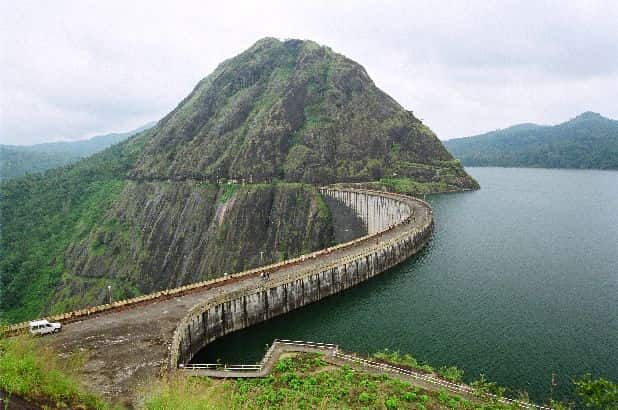
| Dam Type | Masonry gravity dam |
| Dam Height | 53.6 metres (176 feet) |
| Dam Length | About 365.7 metres (1,200 feet) |
| Location vs. Operation | Situated in Kerala, operated by Tamil Nadu |
| Legal Basis | A 999-year lease agreement from the British colonial era |
| Purpose | Diverts Periyar water eastward to irrigate Tamil Nadu’s Vaigai basin |
| Areas Supplied | Theni, Madurai, Sivaganga, and Ramanathapuram districts, Tamil Nadu |
| Visiting Hours | Generally 6:00 AM to 6:00 PM |
| Entry Fee | Free to view; boating charged separately |
| Best Time to Visit | October to March |
Where Mullaperiyar Dam Is Located
Mullaperiyar Dam sits in the Cardamom Hills of the Western Ghats, near Thekkady in Idukki district, Kerala, at an altitude of 881 metres above sea level. It’s roughly 23 to 26 kilometres from Kumily town, positioning it right at the heart of one of Kerala’s most popular eco-tourism circuits, alongside Periyar Wildlife Sanctuary and the Periyar Tiger Reserve.
Most visitors combine a trip here with broader Thekkady sightseeing, given how close the dam sits to spice plantations, wildlife safaris, and boat rides on the reservoir it created.
The River Behind This Historic Dam
The dam takes its name from its position at the confluence of the Mullayar and Periyar rivers, blending both names into “Mullaperiyar.” The Periyar River naturally flows westward through Kerala into the Arabian Sea, but this dam was specifically built to reverse that flow, diverting water eastward through tunnels cut across the Western Ghats to reach the arid, rain-shadow region around Madurai in what was then the Madras Presidency.
This engineering feat transformed water-starved farmland in Tamil Nadu into fertile agricultural land, and the diverted water continues reaching Theni, Madurai, Sivaganga, and Ramanathapuram districts today, making this dam genuinely central to irrigation across a significant stretch of Tamil Nadu.
A History Built on Colonial-Era Engineering
Construction on Mullaperiyar Dam ran from 1887 to 1895, carried out by the British Corps of Royal Engineers under Colonel John Pennycuick’s leadership. The project addressed two problems simultaneously — reducing flooding in the Travancore region caused by the west-flowing Periyar, while solving chronic water scarcity in Madurai and surrounding areas that the smaller Vaigai River simply couldn’t support on its own.
The dam’s operational arrangement is genuinely unusual and remains central to its ongoing controversy. Though physically located entirely within Kerala, a 999-year lease agreement signed during British colonial rule granted operational rights to Tamil Nadu, an arrangement that has persisted essentially unchanged since. Because the dam’s catchment area lies entirely within Kerala, the Periyar technically isn’t classified as an inter-state river, adding further legal complexity to an already tangled arrangement.
Understanding the Ongoing Dispute
This is genuinely important context, and it’s worth presenting both sides fairly rather than glossing over it. Kerala has raised serious, long-standing safety concerns about the dam, given its age and location in a seismically active zone. A 2009 IIT Roorkee report reportedly found the dam unsafe, and a 2021 UNU-INWEH report on ageing dams worldwide specifically flagged Mullaperiyar as having significant structural flaws, estimating that a failure could put between 5 and 10 million people at risk downstream.
Tamil Nadu, on the other hand, maintains that the dam remains structurally sound and continues to be essential for irrigation across multiple districts that depend heavily on this water supply. The Supreme Court has been involved in adjudicating this dispute for years, including constituting an empowered committee in 2010 to examine the issue, and tensions have periodically flared around water release decisions, sometimes triggering protests in Idukki when Tamil Nadu opens the dam’s gates without adequate advance warning to Kerala residents downstream.
This dispute has occasionally spilled into popular culture too — a 2025 Malayalam film’s reference to the dam sparked protests among farmers in Tamil Nadu, showing just how sensitive this topic remains for communities on both sides even today.
Why Mullaperiyar Is Still Worth Visiting?
Despite the political complexity, Mullaperiyar Dam remains a genuinely popular tourist attraction, largely because of its setting rather than the controversy surrounding it. The reservoir it created, often called Periyar Lake or the Thekkady Reservoir, forms the scenic core of Periyar Wildlife Sanctuary, drawing visitors for boat safaris, wildlife spotting, and simply enjoying the misty Western Ghats backdrop.
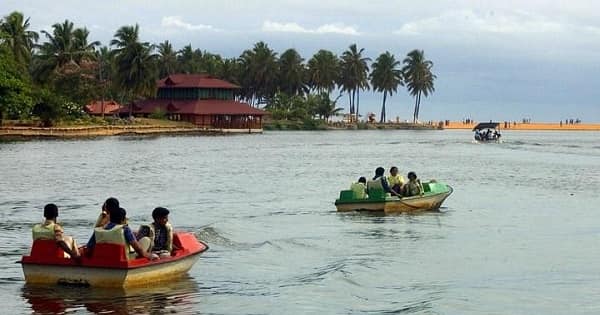
Access to the dam structure itself is restricted for security reasons, which is understandable given its status and the sensitivity surrounding it. Visitors instead enjoy views from designated viewpoints and can take boat rides on the reservoir from Thekkady’s boat jetty, offering a genuinely peaceful way to experience the lake without needing direct dam access.
What There Is to Do Nearby?
Beyond the dam itself, Thekkady offers wildlife safaris through Periyar Tiger Reserve, spice plantation tours where cardamom, pepper, and cloves grow abundantly across the surrounding hills, and cultural experiences like Kathakali performances in Kumily town. Boat cruises on Periyar Lake remain one of the top experiences in the area, offering close views of elephants, deer, and diverse bird species along the reservoir’s forested banks.
Timings and Entry Details
The viewpoint area around Mullaperiyar Dam is generally open from 6:00 AM to 6:00 PM, with the best visiting window falling between 7:00 AM and 3:00 PM for optimal light and comfortable temperatures. Viewing the dam itself is free, though boating on the reservoir carries separate charges, typically arranged through the Thekkady boat jetty.
Best Time to Plan Your Visit
October through March offers the most comfortable weather for sightseeing, wildlife safaris, and boat rides, though this also coincides with Kerala’s peak tourist season, meaning larger crowds at popular spots. If you’d prefer a quieter experience, April through June brings warmer weather but noticeably fewer tourists, while monsoon season from June to September transforms the surrounding forests into a lush, vivid green, ideal for photography, though heavy rainfall can occasionally cause roadblocks or travel disruptions in the area.
Frequently Asked Questions
Q1. Why is a dam located in Kerala operated by Tamil Nadu?
A. This traces back to a 999-year lease agreement signed during British colonial rule, which granted Tamil Nadu operational rights over the dam despite it sitting entirely within Kerala’s territory. This unusual arrangement remains legally in effect today.
Q2. Is it safe to visit Mullaperiyar Dam given the ongoing safety concerns?
A. The tourist viewpoint areas and boating activities on the reservoir are considered safe for regular visitors, and access to the dam structure itself is restricted precisely for security and safety reasons. The broader structural safety debate concerns the dam’s long-term engineering integrity, an issue actively being examined by courts and expert committees, rather than immediate risk to tourists visiting the area.
Q3. Can visitors walk on top of the dam structure?
A. No, public access to the dam itself is restricted for security reasons. Visitors can view the structure from designated points and experience the reservoir through boat rides organised from Thekkady.
Q4. What’s the best way to combine a Mullaperiyar Dam visit with other Thekkady attractions?
A. Pairing it with a Periyar Wildlife Sanctuary safari, a boat cruise on the lake, and a spice plantation tour makes for a well-rounded day, since all these experiences are clustered within a short driving distance of each other near Kumily.